Sly & Robbie热门歌曲下载
查看全部|
|
歌曲 | 专辑 | 时长 |
|---|
Sly & Robbie最新专辑下载
查看全部
Reggae Dancehall Riddim: The Stallion
2022-12-09

The Reggae Power
2015-03-03

A Tribute To King Tubby
2021-12-16
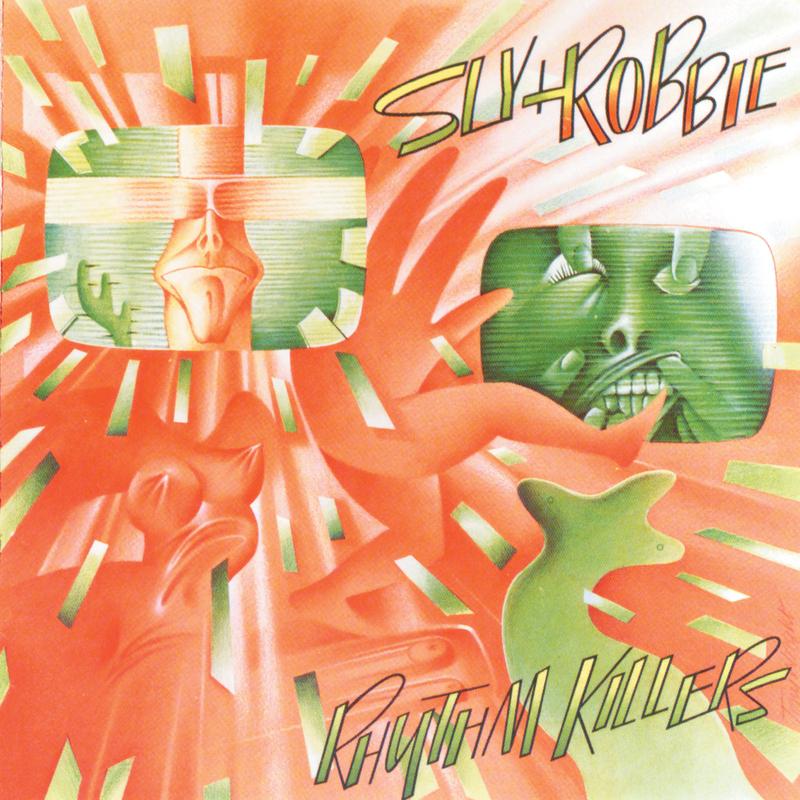
Sly & Robbie - Rhythm Killers
1990-01-01
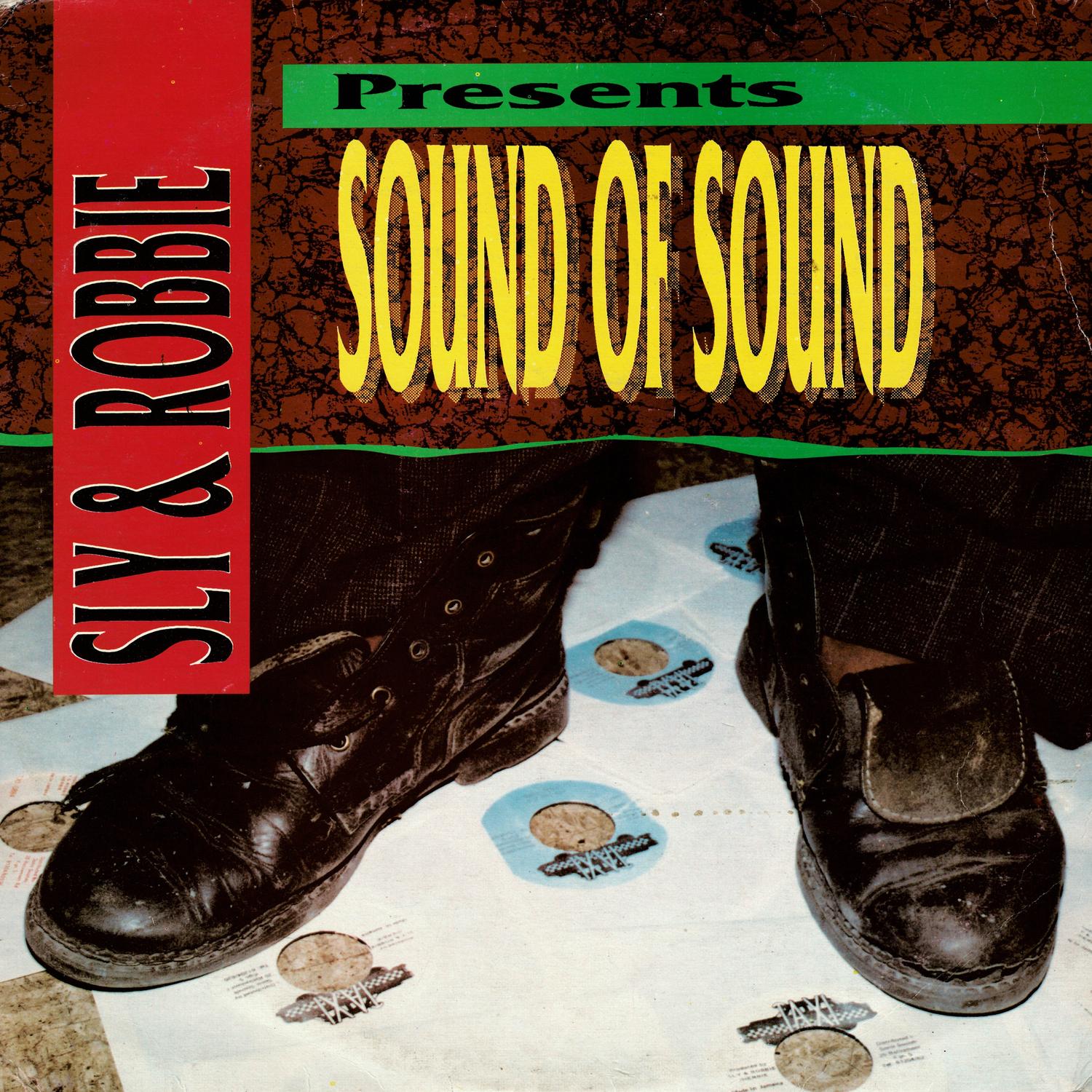
Sly & Robbie Present Sound of Sound
2021-11-30
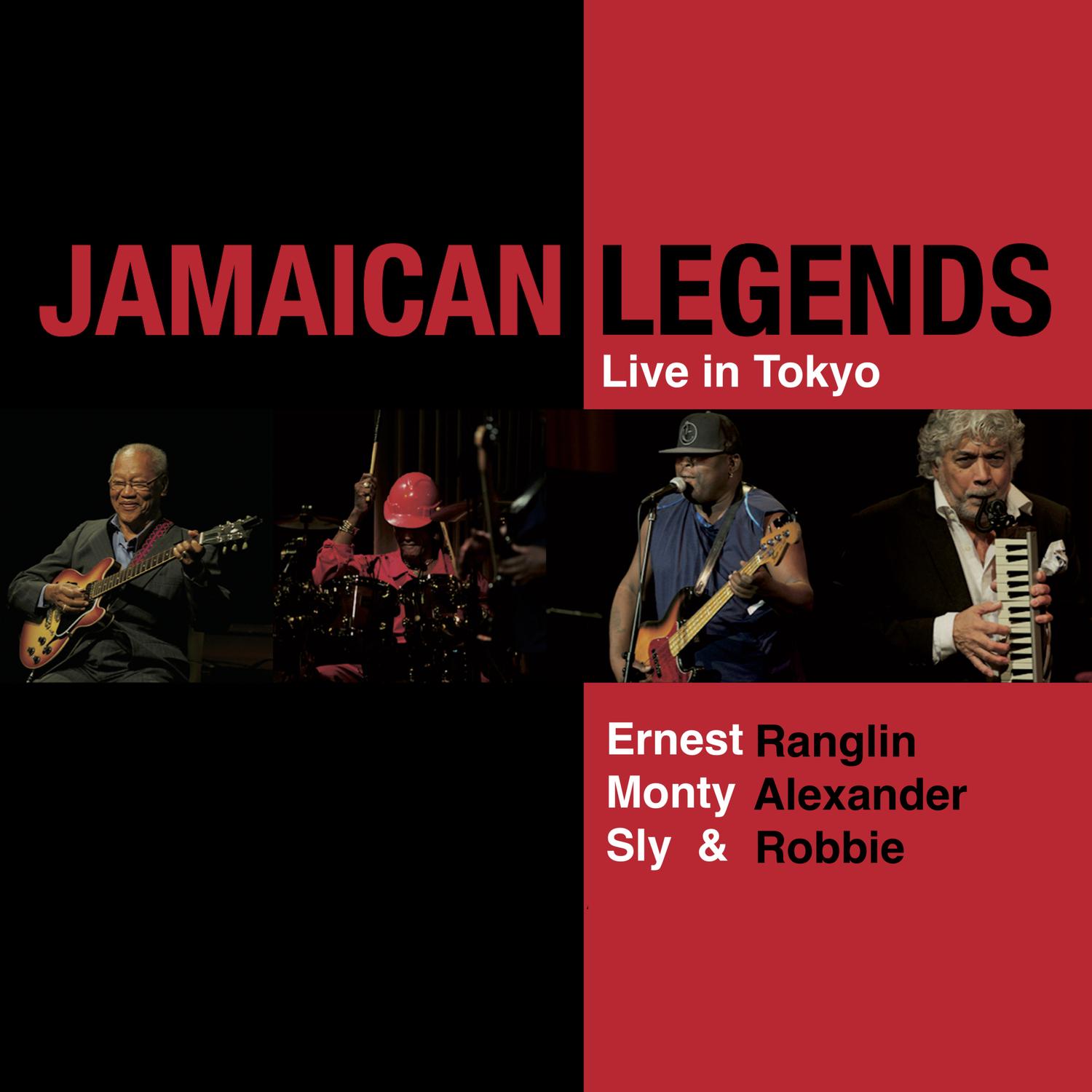
Jamaican Legends Live in Tokyo
2021-10-22
Fool Up The People
2009-01-01
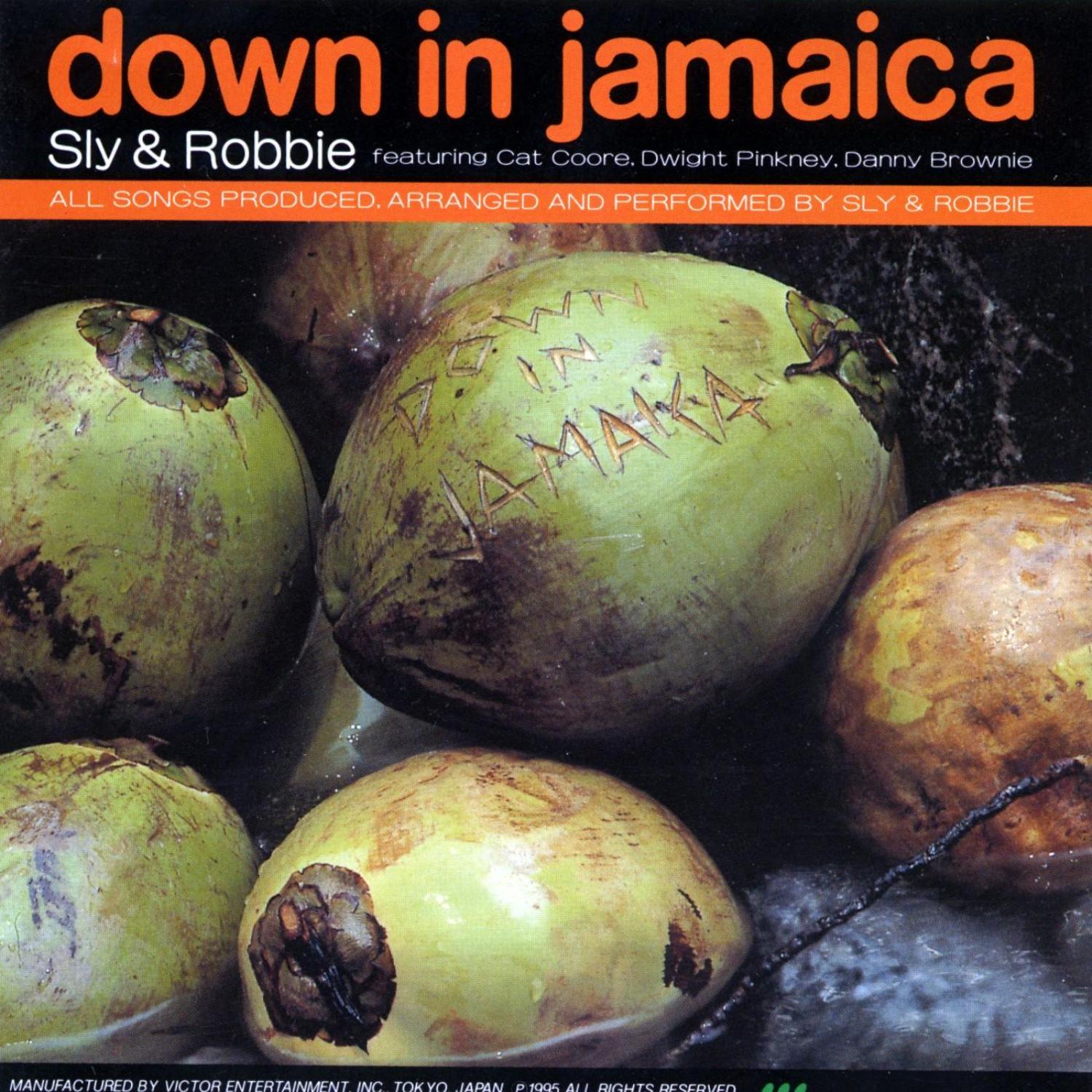
Down In Jamaica
1990-01-01
Sly & Robbie个人资料
详情介绍
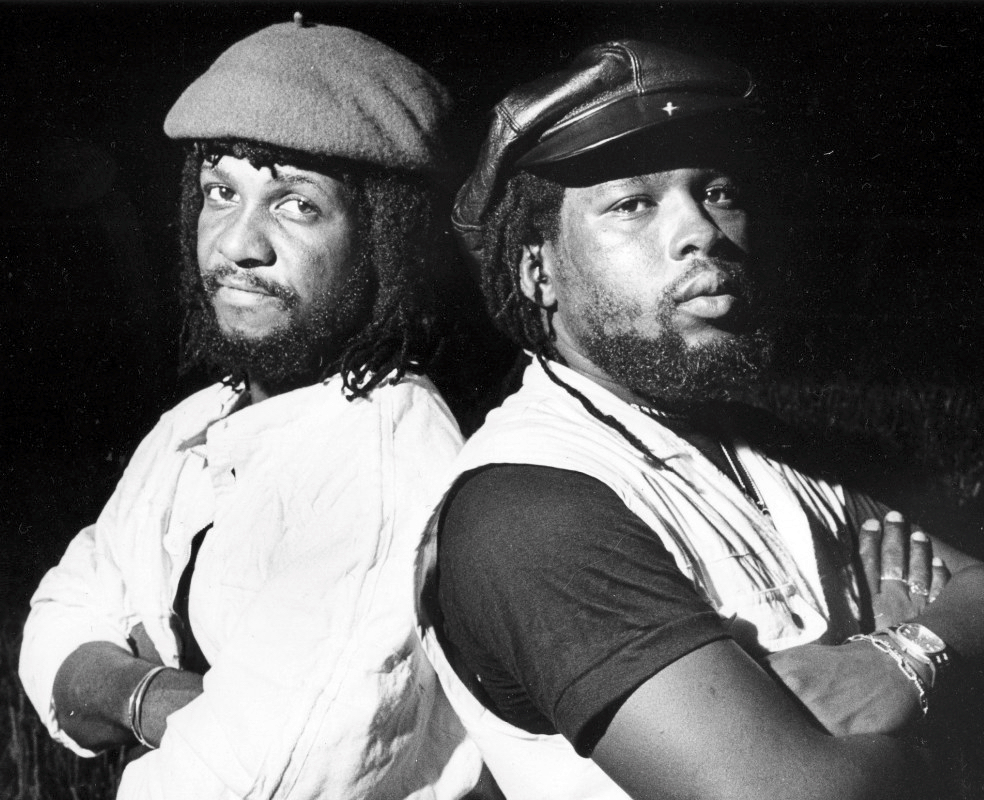
Theirs is the ultimate musical marriage, a partnership that, once formed, re-etched the very landscape of not just Jamaican music, but the entire world's. Such hyperbole is oftentimes rolled out by publicity machines whenever two musical talents come together, but in the case of drummer and bassist , it really was an earth-shattering union. Their rhythms have been the driving force behind innumerable songs, remixes, versions, and dubs. As a production team, they are the equivalent of a creative storm, the cutting edge of modern dub, ragga, and dancehall. Active since the mid-'70s, the duo have worked with seemingly every major Jamaican artist, as well as numerous rock, pop, and hip-hop stars from around the globe, including , , , and . They made a breakthrough on the U.K. pop charts with 1987's Rhythm Killers, an experimental funk/dance album produced by the equally prolific and boundary-breaking . Active well into the 21st century, the duo produced hit singles by , released dub albums like 2014's Underwater Dub, and collaborated extensively with artists ranging from British reggae singer to Finnish electronic experimentalist .
and linked up in 1975, but by then they'd already become established figures on the Jamaican scene. was nicknamed for his adoration of , and in his teens had begun his career in the late '60s playing in studio bands. For a while he was a member of the RHT Invincibles, a group led by Father Good'un that included such talents as , Bertram McLean, and . The group cut several singles, but none were particularly successful. would have better luck with his studio work and made his recorded debut with on the single "Night Doctor." Producer was obviously impressed with the young drummer and consistently used him in the studio. Even so, continued with his outside interests, joining , a group led by that boasted the drummer's old compatriot . In 1974, the drummer and fellow bandmember Ranchie McLean launched a short-lived label, , which focused mainly on the group's and its members' own material. Meanwhile, was also making a name for himself. He too had launched his career as a sessionman in his teens and by the early '70s was a member of producer 's house band .
Inevitably, the two youths crossed paths during this period -- both were born and bred in Kingston and were only a year apart in age ( is the elder). Over time, both had worked with virtually all the major (and minor) artists on the island. It was producer JoJo Hookim who eventually brought them together when the two separately joined his studio band in 1975. Their partnership grew slowly and their first work together was on 's Follow My Mind that same year. The duo then, oddly enough, were also asked to produce the established French singer 's 1975 album Aux Armes et Cætera. It was a bizarre pairing for all concerned, but the sessions went so well that the duo not only produced the singer's next album, they also agreed to accompany him on his French tour.
1976 was even more dramatic. Sly & Robbie oversaw 's seminal Two Sevens Clash album, one of the greatest albums of the roots age. The pair's productions were slowly beginning to gain international acclaim, and joining superstar DJ 's backing band for his U.K. tour brought them further recognition. Before the year was out, the duo had also appeared on 's Natty Rebel album, inaugurating a four-year relationship that saw them accompany the former on tours around the States and Europe. Meanwhile, their session work back in Jamaica with Hookim continued apace, while also continued playing with . However, their rising prominence is made clear by 's 1977 Super Star album, whose musician credits proudly boast and . The label released two compilations that feature ' phenomenal work for Hookim's label. 1989's Hitbound! The Revolutionary Sound of Channel One features some of their most legendary work, with artists like , , , , and . The Mighty Two, ostensibly a compilation of 's and ' greatest productions, also features the group at their best, backing the likes of , , , , and many more. 1978 brought the legendary One Love Peace Festival, where accompanied 's electrifying performance. The set was recorded for posterity and released in 2000 by the label.
Having worked ceaselessly over the last couple of years, Sly & Robbie had carefully put aside every penny they could until they finally had enough to start their own label, , the name nicked from 's long-defunct first co-effort. A studio needs a house band, and the men built it logically enough around members of . The Taxi All Stars (aka ) included guitarist Rad Bryan, percussionist Sticky Thompson, and keyboardists and . The label was inaugurated with 's "Observe Life," the start of another crucial relationship. quickly garnered its first chart hit with ' classic "Soon Forward." From there on out, was an unstoppable force on the Jamaican scene. The compilation Present Taxi showcases a dozen of the label's early singles and includes 's masterpiece "Fort Augustus" and the hit "Merry Go Round," as well as ' "Sweet Sugar Plum" and "Old Broom" alongside crucial cuts from , , , former , , and more. Notable omissions include the duo's work with and .
Sly & Robbie weren't content to merely produce other artist's work, however, and the pair continued their outside session work. Before the decade was out, the Riddim Twins, as they were then being called, were providing the pulsing rhythms for albums from such legendary vocalists as , , , and myriad DJ stars including , , and . And this still wasn't enough for , who also released several solo singles and a pair of solo albums Simple Slyman and Sly, Wicked and Slick. However, their most crucial work was in conjunction with , who, throughout this period, had recorded a stream of seminal singles for -- "Shine Eye Girl" and "Plastic Smile" among them -- which would be gathered up for the group's Showcase album. Throughout the group's powerful albums -- Sinsemilla, Red, and Tear It Up -- 's heavy beats and 's sinuous bass, the heart and soul of ' sound, lie at the core of 's music, while the duo's throbbing, deeply dread production perfectly twined around the group's own phenomenal vocal performance. This partnership reached an epiphany on 1982's Chill Out, the album that rocketed the Riddim Twins to international renown and took them on a tour opening for as part of 's backing band.
Meanwhile, as the new decade dawned, Sly & Robbie inked a distribution deal with the label. head Chris Blackwell then hired the Jamaicans to work with avant-garde singer . The results -- a sparse, funky, dubby, but robotic sound, led by 's fascination with the new Syndrums -- set fire to dance clubs around the world and impacted the new wave scene. The pair's fascination with dub was also growing, with their first excursions into the genre appearing on the flipsides of singles released in 1981. The following year's Crucial Reggae: Driven by Sly & Robbie compiled an album's worth of instrumentals and deadly dubs onto one convenient disc. This was followed in 1985 by the equally devastating A Dub Experience, another bundle of earth-shattering rhythms. In the early part of the decade, Sly & Robbie worked with a dizzying array of artists, including the cream of the DJ crowd. , , , and all released seminal cuts overseen by the duo, while their work on 's 1983 Osbourne in Dub is of particular note.
In 1984, the U.K. CSA label brought together this set with 's Love Crisis dub companion, Jammies in Lion Dub Style, which was also remixed by the duo. Even the re-formed came knocking at their door and the end result was With Sly & Robbie & the Taxi Gang. Sounds of Taxi, Vol. 1 arrived in 1984, a label sampler of singles, B-sides, and dubs; a second and third volume would follow over the next two years. The label would later release the Taxi Fare compilation, an excellent entry into the world of Sly & Robbie, while ' Many Moods Of focuses the spotlight on the duo's dubs from this period. The pair's close connection to the dancehalls and their ever more experimental electronic sounds, coupled with 's virtual desertion of his drum kit for Syndrums, foreshadowed the rise of ragga, and in reality, Sly & Robbie's productions provided the blueprint for the eventual rise of ragga and the digital revolution. This was particularly evident on the pair's own instrumentals, credited to either Sly & Robbie or and often titled in reference to itself -- "Unmetered Taxi," "Taxi Connection," "Maxi Taxi," and the witty "Rent a Car." Here the pair show off their genius, perfectly welding together rocksteady tempos to a totally contemporary sound. 's mechanized beats were so far afield from what others were creating as to be off the map entirely, while 's sinuous bass adds a rich organic feel to the sound. Together the two created a style utterly unique, with rhythms taut and menacing enough to rampage through the dancehalls, but still so organic as to hold the roots crowd in its thrall.
The duo was quick to champion upcoming talent, notably , and were there to assist producer 's rise to stardom. Their generosity also helped launch George Phang to fame: in return for a favor, the Riddim Twins gifted the producer with a clutch of their own rhythms. With the duo, Phang would create such hits as 's "Money Move," 's "Rydim," 's "Winsome," and many more. Sly & Robbie threw their weight and rhythms behind many more producers during the latter part of the '80s. , Phil "Fatis" Burrell, Clive Jarrett and Beswick "Bebo" Phillips, and Myrie Lewis and Errol Marshall all owe much of their success to the duo's deadly rhythms, which helped their releases to flood the dancehalls and the charts. However, the pair continued to gain the attention of vocalists. Sly & Robbie were an integral element of 's Toots in Memphis album and, with , co-produced ' "Fever" single. But their attention was not focused exclusively on Jamaicans, and over the years, Sly & Robbie have consistently worked with artists far removed from the reggae scene. The two have employed their talents with such unlikely artists as , , , , , , and . The breadth of their productions and playing seemingly knows no boundaries. Arguably the best showcase for this diversity can be found on the label's compilation Ultimate Collection: In Good Company, part of the label's Ultimate Collection series. The album boasts 17 tracks that hit virtually all the pair's poles, from roots to dancehall, DJs to veteran vocalists, and on to their more unusual assignments over the years.
Meanwhile, even as the ragga scene gained steam, continued to play live drums, but not for much longer. 1988's The Summit was the last album from the duo to do so. This was just one of a long line of albums of Sly & Robbie's own work that had spilled forth since the beginning of the decade. The duo's debut, '60s, '70s & '80s = Taxi, appeared back in 1981. As its title slyly suggests, the album boasted a surprisingly eclectic batch of covers from the two earlier decades. Sly-Go-Ville and Kings of Reggae followed swiftly on its heels over the next two years. Language Barrier, overseen by and including guest appearances from , , and , appeared in 1985. The Sting and 's Electro Reggae Vol. 1 followed Language Barrier in 1986. In 1987, Sly & Robbie joined forces once again with for the funk-oriented Rhythm Killers, backed by another wide-ranging cast of collaborators, among them , , and . It reached number 35 on the U.K. charts and included the hit single "Boops (Here to Go)," which charted at number 12. Taxi Connection Live in London arrived that same year. 1988 brought the aforementioned The Summit, overseen by Fattis Burrell, a game plan for the electronic revolution that was about to shake the entire dancehall scene. The next year's Silent Assassin was equally prescient, a deadly dub-rap hybrid produced by that featured a guest appearance from hip-hop heroine .
The new decade opened with DJ Riot, a title that accurately summed up the album's intent. In 1992, formed a new production team with Peter Turner and Maureen Sheridan and a second one with Bedrose & Malvo. With the former pair, he would oversee such artists as and Sabre, while the latter grouping would work with the likes of such up-and-coming DJ stars as , , and . In a very different vein, would also oversee a clutch of revivalist religious recordings. But even with all this outside activity, and 's relationship remained solid and extremely active. The pair has produced some of dancehall's leading lights, overseeing hit singles and albums by , , , and , among many, many more. 1996's Hail Up the Taxi conveniently bundles up the best of the pair's productions and session work from the first half of the decade. Their own recordings have remained equally strong. Perhaps as a brief respite from the dancehalls, in 1992 the pair released Remember Precious Times, a sublime album of covers of roots and reggae classics. The duo continued to work with on projects like 1996's Axiom Dub: Mysteries of Creation.
A flood of albums appeared during the rest of the decade: The Punishers, Mambo Taxi, Babylon I Rebel, Reggae Dancehall, Friends, and Present Taxi Christmas were all released between 1996 and 1998, as Sly & Robbie took on movie and TV themes, dub, and dancehall, brought their mates into the studio, and celebrated Christmas to boot. In 1999, they entered a strip club, video cam in hand, for Strip to the Bone, which married striptease to devastating dub. Dub was also the point of entry for Massive and Dub Fire. From there it was into jazz, when the pair collaborated with for the Monty Meets Sly & Robbie album. The Riddim Twins have also continued to record on a regular basis, both as the crucial bottom end for others' work as well as their own music. Another slew of Sly & Robbie releases followed in the early 2000s, culminating in 2006's Rhythm Doubles, which was nominated for a Best Reggae Album Grammy. The rest of the decade was collaboration-heavy, seeing the duo working with reggae tenets like , as well as in odd pairings with the likes of and .
In the early part of 2012, Sly & Robbie returned with Blackwood Dub, their first traditional dub album in years. Recorded in 2011 and produced in collaboration with Alberto Blackwood and Gilroy "Rolex" Stewart, the album was marketed with the slogan "Strictly dub – no vocals." In 2013, they collaborated with French saxophonist Stepper on the album Stepper Takes the Taxi. The follow-up to Blackwood Dub arrived in 2014 when Underwater Dub came to the surface with more sprawling and laid-back material. In 2015, Sly & Robbie appeared on two albums cut in collaboration with the Japanese group , The Reggae Power and The Reggae Power 2. 2017 saw the rhythm section releasing albums in collaboration with (One Fire Dub) and Junior Natural (Militant). 2018's Overdubbed teamed Sly & Robbie with the Canadian dub and dance music artist . That same year, trumpeter , guitarist , and electronic artist released their album of music created with Sly & Robbie, Nordub. then collaboerated with Sly & Robbie on another full-length, 500-Push-Up, which appeared on Belgian label in 2020.