
Seun Kuti热门歌曲下载
查看全部|
|
歌曲 | 专辑 | 时长 |
|---|---|---|---|
|
1
|
The Age of Pleasure |
04:02 |
|
|
2
|
Float (feat. Seun Kuti & Egypt 80) |
04:02 |
|
|
3
|
ecstasy
SQ
|
adedamola |
03:32 |
|
4
|
The Age of Pleasure |
02:49 |
|
|
5
|
13:38 |
||
|
6
|
I'm Not Bossy, I'm the Boss (Deluxe Version) |
03:04 |
|
|
7
|
Black Woman
SQ
|
A Long Way to the Beginning |
08:52 |
|
8
|
Emi Aluta (Zamrock Remix) |
03:29 |
|
|
9
|
Carry Me
SQ
|
03:55 |
|
|
10
|
Dey (Gaudi & Don Letts Remix) |
04:27 |
Seun Kuti最新专辑下载
查看全部
Stand Well Well (Grand Stand Version)
2025-03-26
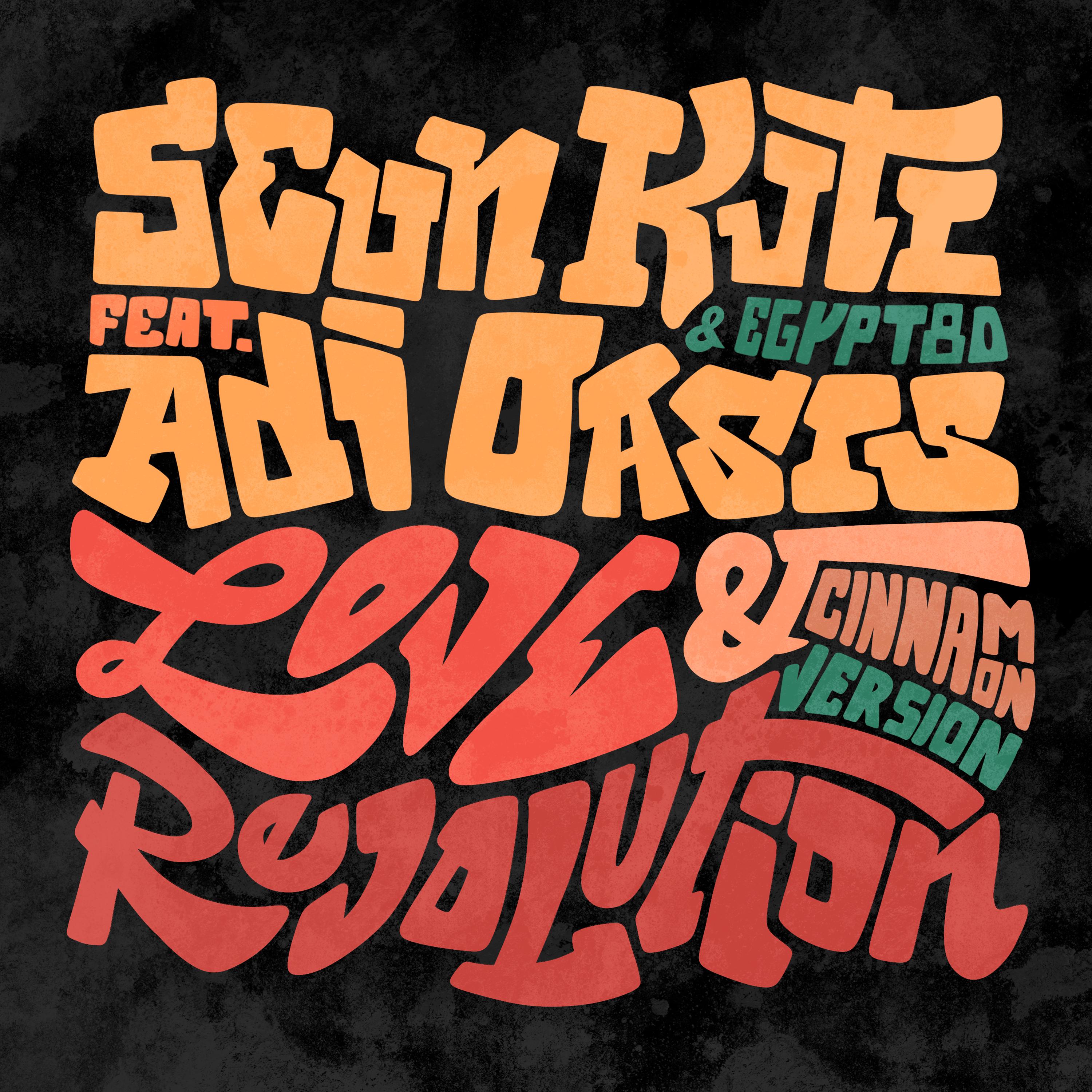
Love & Revolution (Cinnamon Version)
2025-02-26
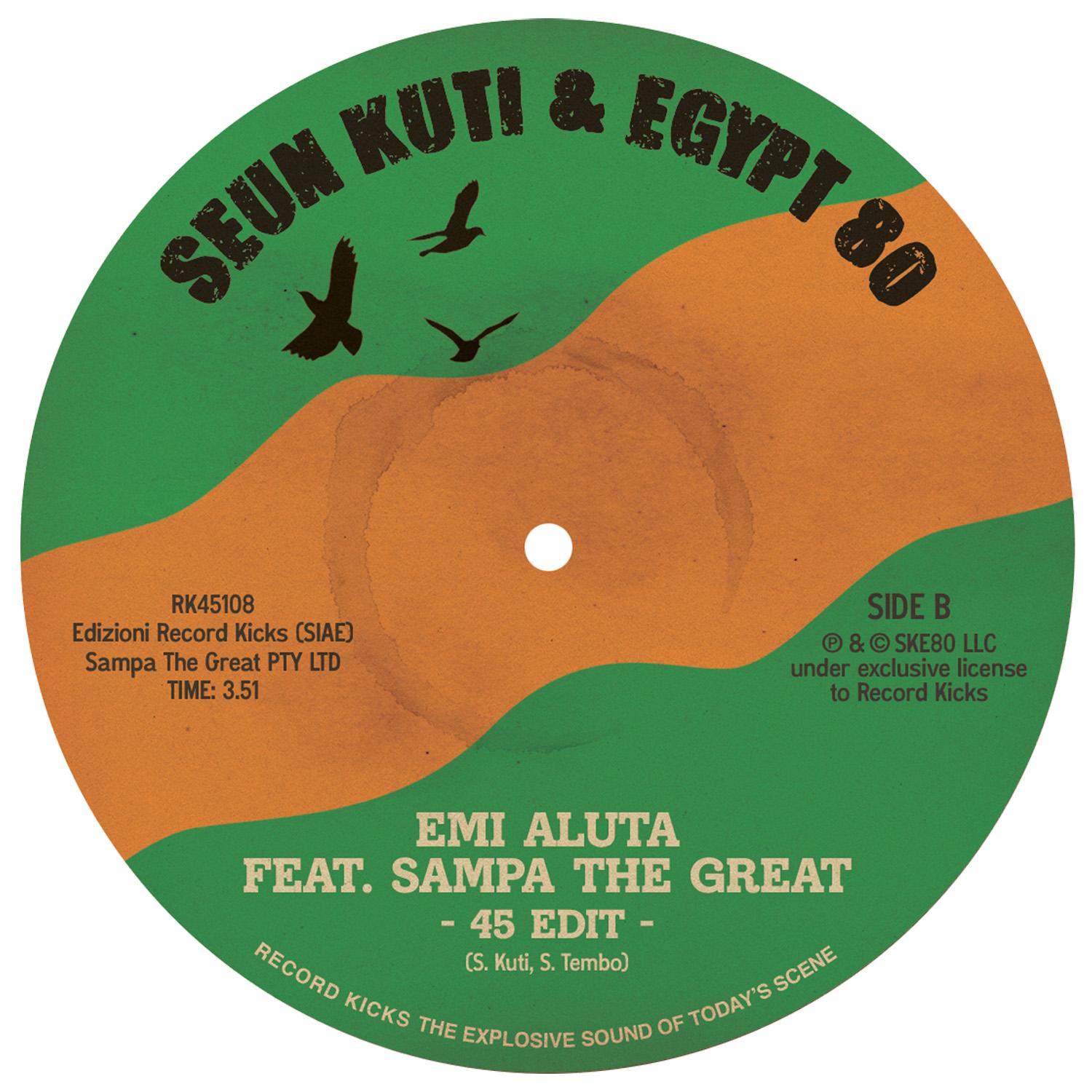
Emi Aluta (45 Edit)
2025-02-07

Emi Aluta (Zamrock Remix)
2025-01-15

Dey (Gaudi & Don Letts Remix)
2024-11-06

Stand Well Well
2024-09-10
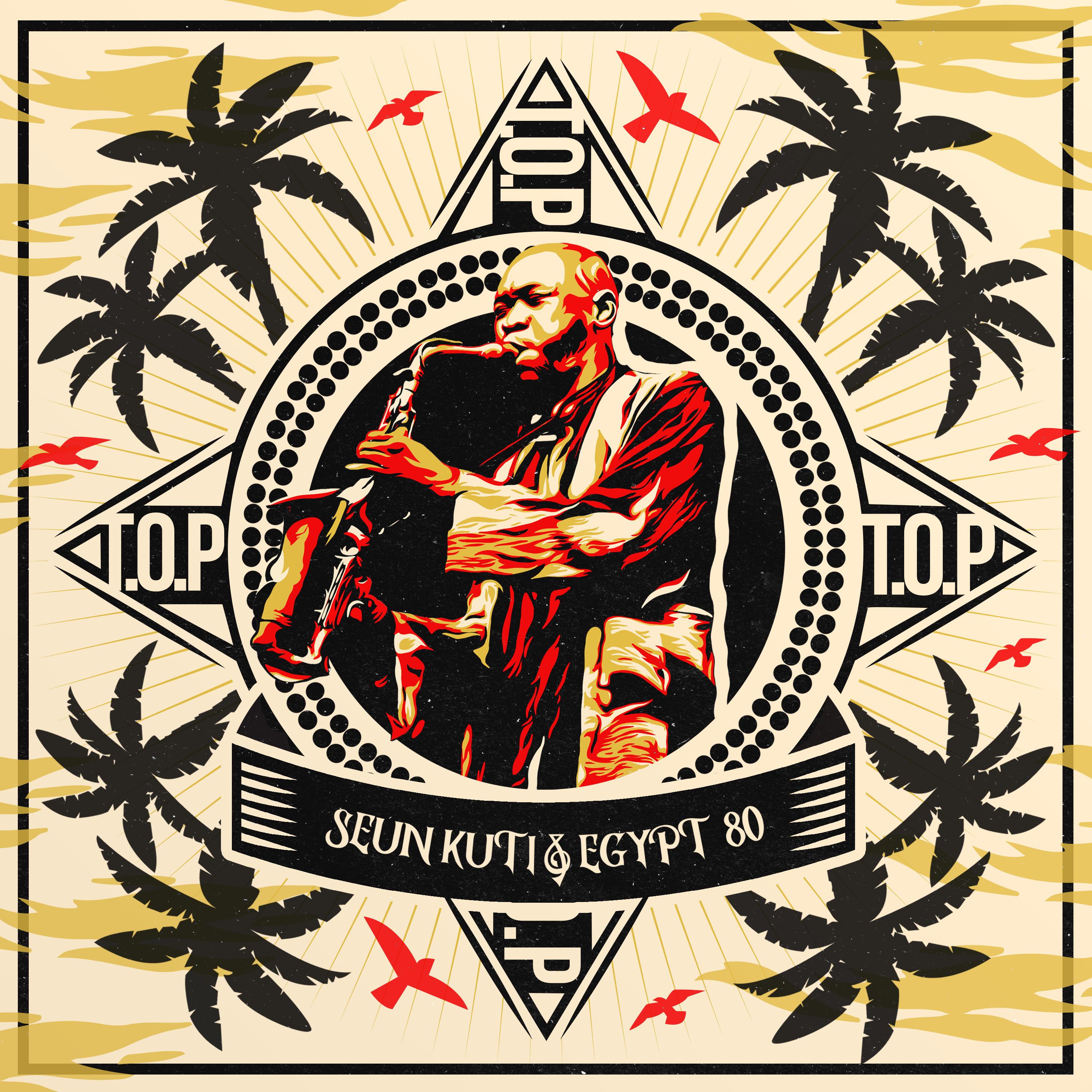
T.O.P.
2024-07-24

Heavier Yet (Lays The Crownless Head)
2024-10-04
Seun Kuti个人资料
Oluseun Anikulapo Kuti (born 11 January 1983),[1] popularly known Seun Kuti, is a Nigerian musician, singer and the youngest son of Afrobeat pioneer Fela Kuti. Seun leads his father's former band Egypt 80
The youngest son of Fela Kuti, Kuti was born in 1983. He became interested in music at the age of five, by the time he turned nine, he had started playing with his father's band, Egypt 80.[6]
Fela Kuti died in 1997 and Seun Kuti took to the role of leading Egypt 80.[7]
In 2008, the band released an album called Many Things. This was the first album released under the moniker Seun Kuti & Egypt 80.[7][8][9]
He is featured in Calle 13's song "Todo se mueve" (Everything Moves), on their 2010 album Entren los que quieran.
In 2014, Seun Kuti was given an honorary invitation to perform live for the first time at the Industry Nite.[10]
In 2019, Kuti was a featured guest on 85 to Africa; the second album by American rapper Jidenna.[11] In June, Kuti was featured in the Visual Collaborative electronic catalogue, under the Polaris series, he was interviewed on Pan-African awareness, his country and music.[12]
Politics
Kuti participated actively in the Occupy Nigeria protests against the fuel subsidy removal policy of President Goodluck Jonathan in his country Nigeria in January 2012. Seun Kuti is an atheist.[13]
In 2019, on Jidenna's 85 to Africa album Kuti voiced an outro of a song with the words:[11]
"I believe it's time for an African peoples powered highway. A highway that will connect the Diaspora and Motherland. A global highway for African people all over the world to rediscover themselves. To remember that the only thing that unites black people, globally, the only thing we all have in common is that we are from Africa".[14]
In November 2020, he led the revival of his father's defunct political party - Movement of the People[15] - with the intention of registering it with Nigeria's electoral body, INEC.[16]
In fall 2023, he signed the open letter Artists Against Apartheid in support of Palestinians.[17]
Personal life
Seun welcomed a baby girl with his partner on 16 December 2013 and named her Ifafunmike Adara Anikulapo-Kuti.[18]
Seun Kuti and the Egypt 80 Orchestra performing at Celebrate Brooklyn 2011
Reception
In 2018, Black Times, by Seun Kuti was nominated for the Grammys, in the World Music Category. This makes him the second child of the late Fela Anikulapo Kuti to be considered for this award, as his elder brother Femi Kuti has been previously nominated in the same category without a win.
During his lifetime, Fela Kuti, the godfather of Afrobeat, was a cultural icon and one of the leading voices of unrest during the Civil War in Nigeria. He’s the country’s most famous musician, and perhaps its most popular child, too. Now, Seun Kuti, Fela’s youngest son, has emerged to carry his father’s legacy. He’s the current leader of Fela’s old band, Egypt 80, a group that changed its name from Africa 70 after Fela sensed a need to educate his audience on Egypt’s contributions to the world.
While it’d make sense for the child of a celebrity to run from such parental weight, Seun has embraced it fully, tying his identity to his father’s. It would be easy for the younger Kuti—his older brother, Femi, is also a musician—to crumble under the weight of his father’s enormous legacy. Instead, Seun has used his father’s name, style, and image to build upon his mission. On Black Times, he takes this journey a step further.
Seun’s philosophy is mostly aligned with his father’s because the current political situation in Nigeria reflects the fight Fela engaged in during the 1960s and ‘70s. Muhammadu Buhari, the country’s president, is a retired military general with a troubling past of violating human rights. “These black leaders, they don’t represent black people’s interest. He [Buhari] fits that model,” Seun explains from his home in Lagos. “He doesn’t invest in the people, he only invests in businesses and the service industry. That’s one of the major reasons I don’t support most black leadership here.”
Seun’s music, especially Black Times, is less outwardly politically defiant than his father’s. It’s more of a call-to-arms for the children of Nigeria to mobilize and take back a world stacked against them. On the album’s title track (which features Carlos Santana), the band sings, “Are you ready to rise? To be free?” It’s the sort of powerfully simple statement that lit a fire under Fela’s generation, and is poised to do the same for Seun’s.
Seun’s music may be direct in its themes, but when pushed on the history of African rebellion and the dictatorial state in which he grew up, his words are vast and expansive. “We need to understand, to analyze African military and what it stands for. They are an occupying force,” he says. His music’s highest goal is to educate and inspire the audience he has—whether it’s one he earned or inherited. It doesn’t make a difference to him; with his voice, Seun is speaking up for those who can’t. “African Dreams” uses a powerful horn line and dub-inflected drums to push this point across. Here, he sings: “So many youths lost to television / Chasing American dreams / Tell me who’s the dream.” Seconds later, a colorful cast of background singers interrupt him: “Dream for Africa!”
The propulsion and pulse beneath Seun’s bold proclamations come from both his Egypt 80 band and Robert Glasper, who helped produce Black Times. It’s tempting to look at Seun’s contributions to Egypt 80 with skepticism—after all, it’s a band he was born into. But his work with the group speaks for itself, and on Black Times, the band is the strongest it’s been in years. “The band trusts my journey. When I bring material, everybody invests themselves in it. It comes out as I want it to be, as it should be,” he explains. “This is the music I hear in my head, the music that inspires me. Each album is the sound I hear in that moment.”
And this moment seems to be a harkening back to the revolutionary verve of his father’s day using a bold infusion of modern sounds, which helps to firmly establish Seun’s own musical voice. It’s one of his most balanced releases, shading his traditional Afrobeat stylings with sounds from all over the world—from samba to post-rock to boundary-pushing pop. For his entire career, Seun Kuti has always been Fela Kuti’s son. He’ll never shed that label, but with each subsequent release, his music further stands on its own.
