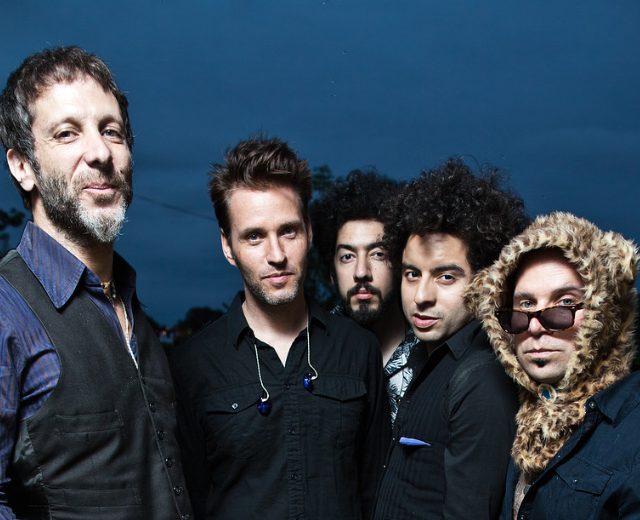
Mercury Rev热门歌曲下载
查看全部|
|
歌曲 | 专辑 | 时长 |
|---|---|---|---|
|
1
|
A Bird Of No Address |
04:12 |
|
|
2
|
Deserter's Songs |
03:45 |
|
|
3
|
Deserter's Songs |
05:56 |
|
|
4
|
Bobbie Gentry's The Delta Sweete Revisited |
03:22 |
|
|
5
|
Essential Mercury Rev: Stillness Breathes 1991-2006 |
03:45 |
|
|
6
|
Holes
SQ
|
Essential Mercury Rev: Stillness Breathes 1991-2006 |
05:58 |
|
7
|
Essential Mercury Rev: Stillness Breathes 1991-2006 |
04:01 |
|
|
8
|
Holes
SQ
|
05:56 |
|
|
9
|
Yerself Is Steam |
07:10 |
|
|
10
|
03:45 |
Mercury Rev最新专辑下载
查看全部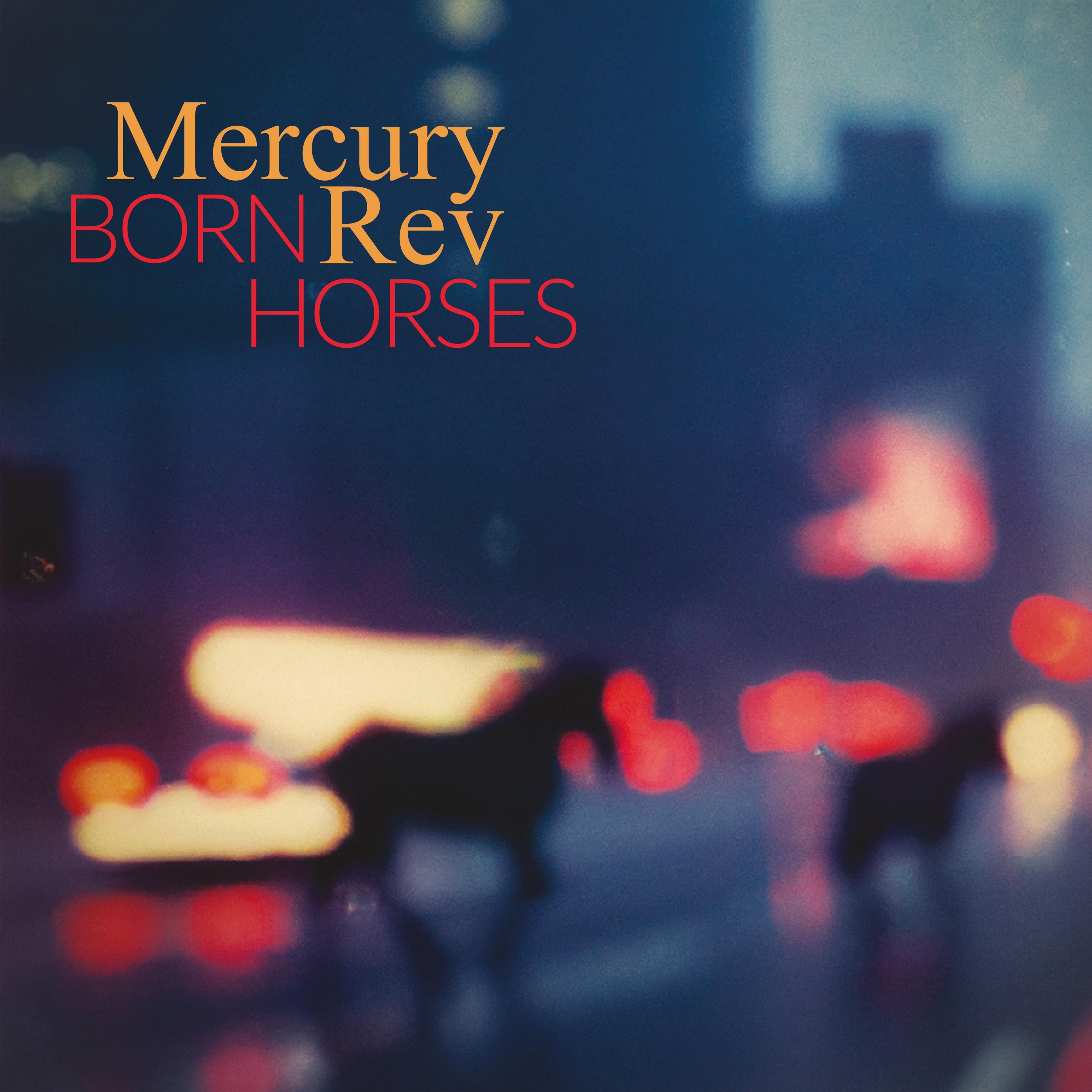
A Bird Of No Address
2024-08-08
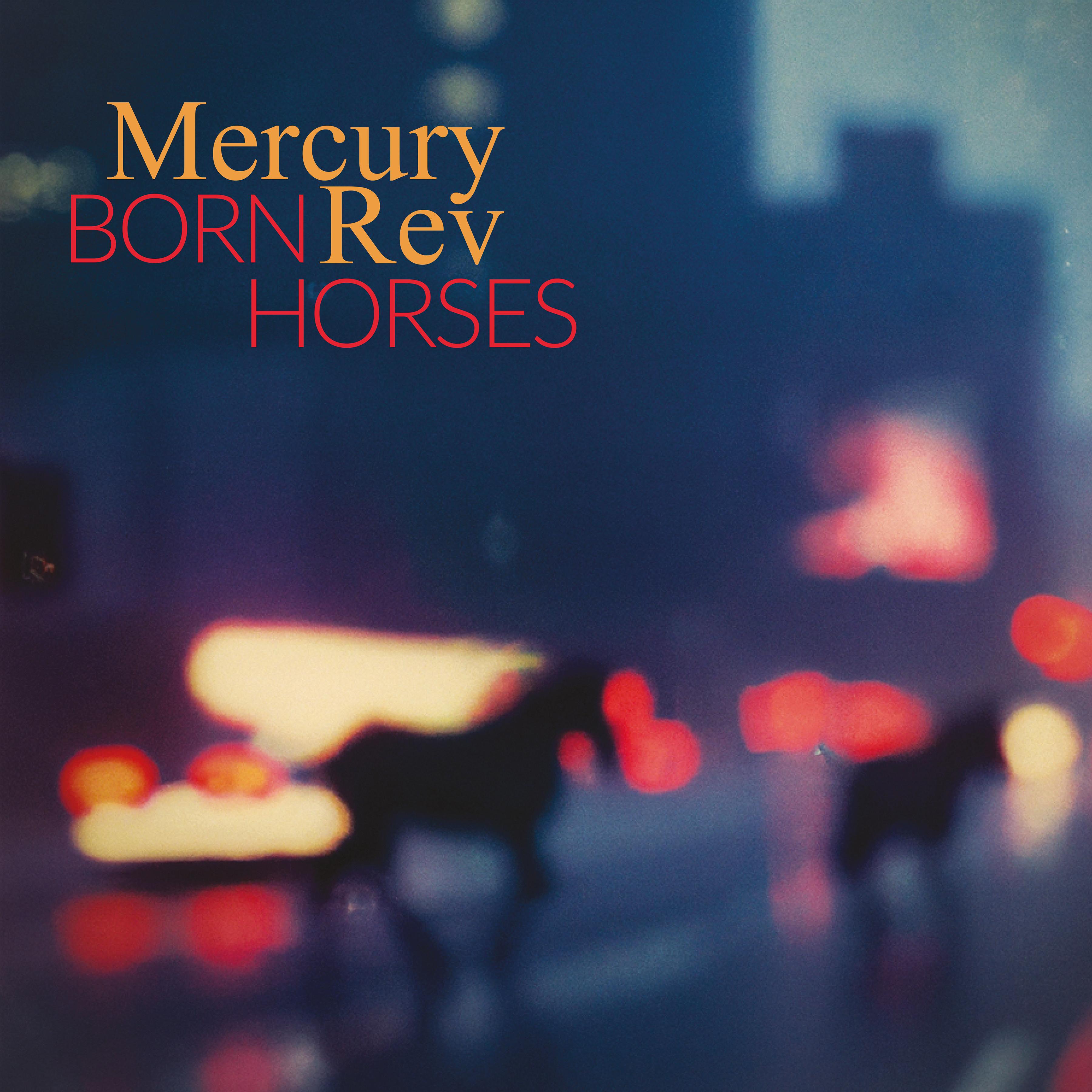
Ancient Love
2024-07-03
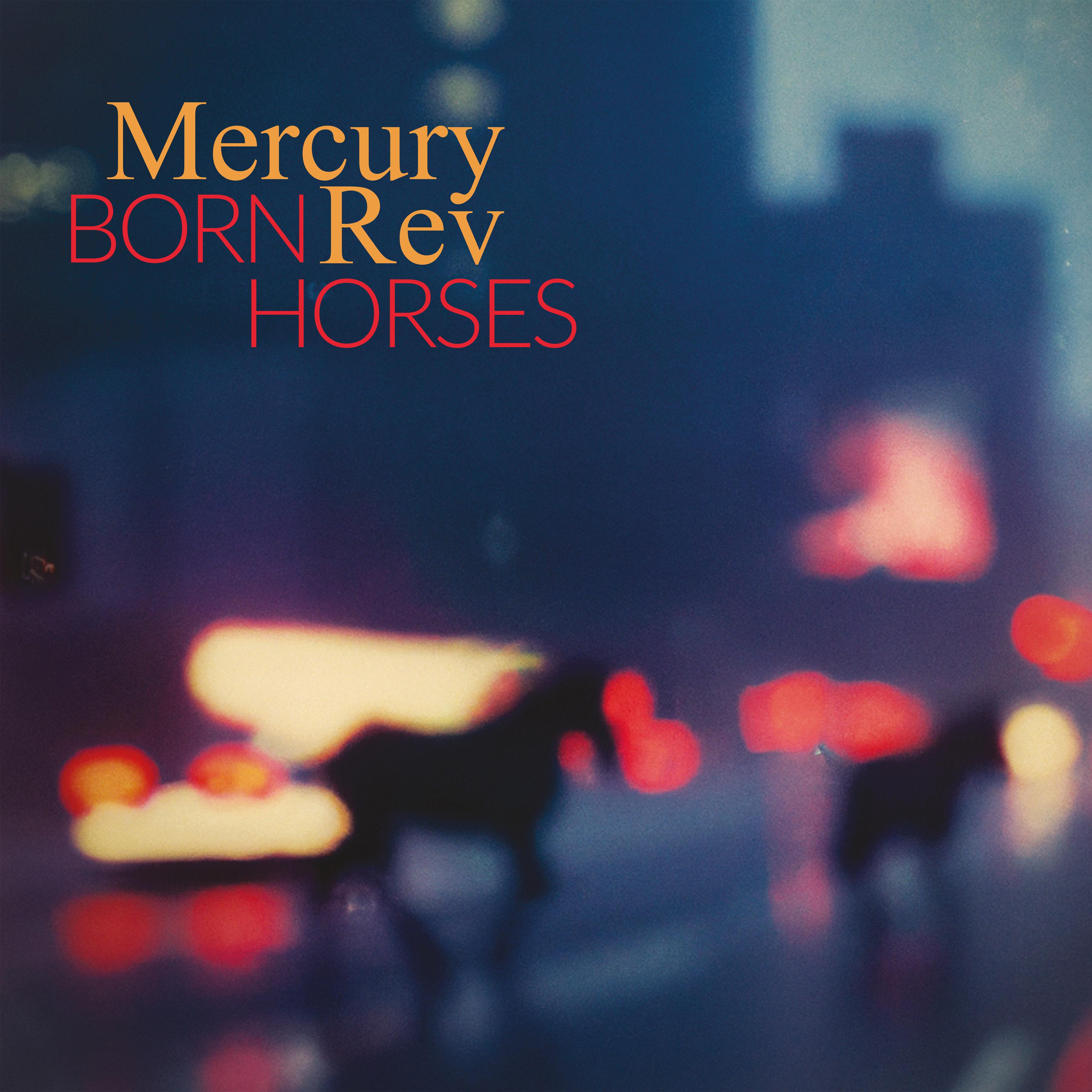
Patterns
2024-06-04
Lego My Ego
1992-01-01
Snowflake Midnight (Deluxe Edition)
2021-05-28
The Secret Migration (Deluxe Edition)
2005-01-24
Deserted Songs
2013-06-20
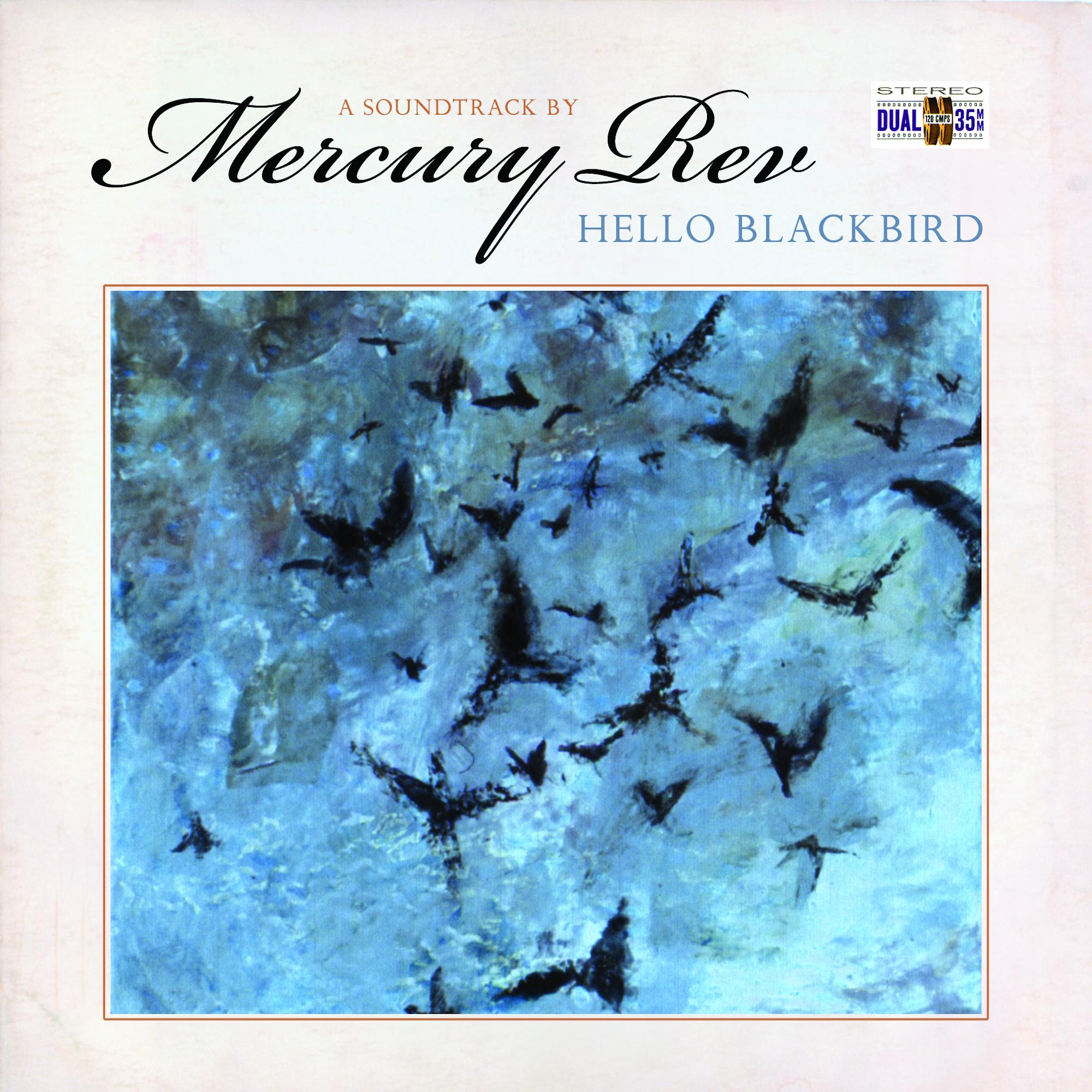
Hello Blackbird (Original Soundtrack)
2006-01-01
Mercury Rev个人资料
乐队介绍
Mercury Rev is an American rock band formed in 1989 in Buffalo, New York,[5] with singer/guitarist Jonathan Donahue and guitarist/clarinetist/sound generator operator Sean "Grasshopper" Mackowiak as the only constant members. The band's music has incorporated indie rock, psychedelic rock and American roots, amongst other forms. Mercury Rev have been closely associated with The Flaming Lips,[6] and the two bands have shared historical ties.
The first years with David Baker[edit]
Mercury Rev was formed in 1989 by students at the University at Buffalo, partially inspired by the drone music of composer/media studies professor Tony Conrad (then working as a teacher at the university, and a strong artistic influence on co-founder Grasshopper).[7] The initial line-up was Donahue, Grasshopper, vocalist David Baker, bass guitarist/in-house producer Dave Fridmann, flute/French horn player Suzanne Thorpe and drummer Jimy Chambers. The band was initially formed to score its members' student films,[8] and had a loose playing and recording existence. The band's initial music was a blend of experimental, psychedelic rock, drone and noise rock, which would gradually shift over time towards a melodic, ornate sound.
At this early stage, several members also had other musical interests which prevented consistent Mercury Rev activity. Donahue worked as a gig promoter for other bands' concerts in Buffalo, which brought him into contact with The Flaming Lips in 1989: he then toured with them as guitar technician before formally joining as lead guitarist in time to play on their 1990 album In a Priest Driven Ambulance. The latter album was co-produced by Dave Fridman, who went on to co-produce every Flaming Lips studio album to date with the exception of 1993's Transmissions from the Satellite Heart.[6][9]
Mercury Rev's debut album was 1991's Yerself is Steam, followed by the "Car Wash Hair" single, both of which typified the band's early merging of psychedelic rock and noise rock. During this year, the band had begun to solidify and concentrate on more sustained effort. Yerself is Steam had been completed during Donahue's breaks from Flaming Lips activity in tour and in Oklahoma: following creative disagreements with the band's frontman Wayne Coyne, Donahue left The Flaming Lips in mid-1991, shortly after recording the Hit to Death in the Future Head album. This enabled him to return to Buffalo and concentrate full-time on Mercury Rev. Meanwhile, although Dave Fridmann remained the band's bass player, co-producer and co-composer in the studio, he often had to step back from his role as live bass player due to increasing demands on his time as a record producer.[10] Bassist John DeVries substituted for Fridmann at an increasing number of live shows, including an Ireland-and-England tour in the autumn of 1992, with Gerald Menke taking over live bass duties by 1993.[11][12]
Despite considerable critical acclaim,[13][14][15] Mercury Rev's early releases gave them little more than cult popularity,[6] although they did appear on the smaller second stage at some 1993 Lollapalooza stops. David Baker left Mercury Rev after their second record, Boces (1993), citing musical and personal disputes; he later recorded an album as Shady. With his departure, the thematically darker and musically experimental features of the band began to disappear.[4]
Transitional period[edit]
The band's first post-Baker album, See You on the Other Side (1995) contained a variety of styles, including a sprawling psychedelic opening track and noise rock numbers like "Young Man's Stride" (for which a music video was released), but also more melodic songs, such as "Sudden Ray of Hope". By this time the live band included organist Adam Snyder and brothers Jason and Justin Russo of psychedelic rock band Hopewell (as bassist and keyboardist respectively.[12]
That year, the group also recorded and released the album, Paralyzed Mind Of The Archangel Void, under the moniker "Harmony Rockets". The album featured a single forty minute track of mostly instrumental psychedelic improvised music. It was rated four and half stars, out of five, by AllMusic. (Fourteen years later, in 2009, the group would revisit it for performance in the Don't Look Back concert series.)
See You on the Other Side failed to sell well, a situation which helped to trigger a destructive period for the band during which they fell into debt, came into conflict with their record label, lost their manager and lawyers, and parted company with drummer Jimy Chambers (who would later resurface in the band Odiorne).[16][17] Donahue and Grasshopper, in particular, were failing to communicate with each other and struggling with their individual drug and relationship problems.[16][17]
While Grasshopper retreated to a Jesuit guest house in upstate New York, Donahue began to listen to records of children's music and to write simple melodies on piano (in contrast to the band's former psychedelic/electric compositional approach.[18] At the same time, he was invited to guest on a Chemical Brothers track called "The Private Psychedelic Reel".[19] This in turn inspired him to repair his musical and personal friendship with Grasshopper.[17][19]
Wide critical and commercial success[edit]
Mercury Rev relocated to Donahue's birthplace of Kingston, New York,[8] and began recording in the Catskill Mountains. The personnel for the album was a loose core of Donahue, Grasshopper and Thorpe joined by Fridmann and by former drummer Chambers, and augmented by local musicians including two former members of The Band - Garth Hudson and Levon Helm. The involvement of the latter began to shift the band's musical focus closer to roots and acoustic music. At the secondary recording and mixing stage, Donahue, Grasshopper and Fridmann opted not to use their previous method of distorted guitar and electronic overdubs and instead began to use strings, horns and woodwinds, resulting in more of a chamber pop sound while retaining a psychedelic tinge.[16][20]
The 1998 release of the resulting Deserter's Songs album met with acclaim, and made Mercury Rev unexpected pop stars.[21][22][23][24][25] In the UK, NME magazine made Deserter's Songs their Album of the Year.[26] Donahue's earnest, high-pitched vocals and concentration on relatively concise, melodic songs gave the band's material an entirely new feel and much increased popularity (Deserter's Songs spawned three UK Top 40 singles: "Delta Sun Bottleneck Stomp", "Opus 40" and "Goddess On A Hiway").
Suzanne Thorpe left Mercury Rev following the recording of the album, although she would return as a guest player for All is Dream.[12] She would subsequently concentrate on academic research and emerge as a Deep Listening instructor, university lecturer and electro-acoustic improviser, as well as becoming part of "pirate-punk" band The Wounded Knees.[27] (She has returned for occasional band revisitations of the Harmony Rockets project, including one at the 2009 All Tomorrow's Parties festival in England.)[11][28][29]
The tours promoting Deserter's Songs saw the return of the Russo brothers and Adam Snyder (although all three would depart the live band during 2000). Jeff Mercel, who'd played on Deserter's Songs, also joined as touring drummer, and would soon become a full band member.[12]
By 2001, the band's nucleus was Grasshopper, Donahue and Mercel, with Fridmann remaining as co-producer and studio bass player. The All Is Dream album was issued in 2001 and became the band's highest charting album in the UK to date (#11). It included "Little Rhymes", "Nite and Fog" and "The Dark is Rising," which reached No. 16 in the UK Singles Chart.[30] David Bowie producer Tony Visconti arranged strings and provided Mellotron parts for the album, which also featured contributions from Jason and Justin Russo. However, the Russo brothers did not join the band on tour this time, their places being taken by bass player Paul Dillon and by multi-instrumentalist Carlos Anthony Molina on keyboards, augmented by second keyboard player Michael Schirmer.[12]
Later years[edit]
Molina had become a full Mercury Rev member by the time of Mercury Rev's fifth album, The Secret Migration, which was released on January 24, 2005, and on which he played both keyboards and bass guitar. The album featured the UK Top 40 single "In A Funny Way" (#28). The album itself reached #16 in the UK Albums chart. Mercel moved to keyboards for the subsequent tours, with his place on drums being taken on live dates by Jason Miranda.[12]
The Secret Migration was followed up in 2006, by a compilation album, The Essential Mercury Rev: Stillness Breathes 1991-2006 and the film soundtrack album Hello Blackbird. The band released a pair of albums on September 29, 2008: Snowflake Midnight, and a free MP3 album of instrumentals, Strange Attractor, following which Jeff Mercel left the band (although he would rejoin them on tour in 2011 to promote the release of the double disc reissue of Deserter's Songs). Former Midlake keyboardist Jesse Chandler was recruited to Mercury Rev in 2014.[31]
The Light in You was released on October 2, 2015, through Bella Union, their first studio album in seven years. It reached #39 on the UK albums chart. [32] This was the first Mercury Rev album not to be co-produced by Dave Fridmann. By this point the band were officially a duo of Donahue and Grasshopper, with Molina, Miranda and Chandler still regularly contributing but as part of a set of support musicians.
Chandler was a full member by the time of Mercury Rev's next album, Bobbie Gentry's The Delta Sweete Revisited (as the title suggests, a reworking of Bobbie Gentry's seminal album The Delta Sweete), which was released in February 2019.[33] The album features instrumentation by Mercury Rev and a female guest singer unique to each song. Lucinda Williams, actress Carice van Houten, Beth Orton and Norah Jones were among the vocalists. The album was another UK Top 40 hit in the UK for the band (#32).
"Holes" was covered by The National's lead singer Matt Berninger in 2020.
The 2021 Mercury Rev touring band featured Donahue, Grasshopper, bass player Chris Heitzman, drummer Don McCreevy and keyboard player Marion Genser.
In June 4, 2024, Mercury Rev announced their upcoming studio album entitled "Born Horses", which is set to release in September 6, 2024. The first single, "Patterns", was also released the same day.
Trivia[edit]
In 2021 "Holes" was featured in the popular Sing 2 movie. Other movies in which the band's songs can be heard are Gunpowder Milkshake (2020, "Goddess On A Hiway") and Love And Monsters (2020, "Opus 40").
Band members[edit]
Jonathan Donahue – vocals and guitar
Sean "Grasshopper" Mackowiak – guitar, keyboards, clarinet, tettix wave accumulator
Ted Young – live sound
Marion Genser - Mellotron, Vox Organ
Chris Heitzman – bass
Don McGreevy - drums
Mercury Rev在80年代末期成立于Buffalo,乐队如今的事业中囊括了他们自己漫长而艰难的一番奋斗。Mercury Rev以主音兼原声吉他手Jonathan Donahue、吉他手Grasshopper以及贝斯手Dave Fridmann为核心,在乐队新专辑“All Is Dream”中Mercury Rev中还加入了新成员鼓手兼钢琴——纽约人Jeff Mercel。
Mercury Rev的第一张录音一开始纯粹是为乐队成员朋友们拍摄的实验电影做的原声,David Baker(配和声)、Suzanne Thorpe(演奏笛子)以及Jimy Chambers(敲击)加入了这个松散的团体,并最终在纽约的Fredonia小录音棚里趁休息时间完成了录制小样的工作。而这张小样也不经意间让英国的Jungle/Mint公司相中了Mercury Rev,并联系Donahue关于为乐队做主唱的事宜。
Mercury Rev这个名字的来源说法多样,有的说来自特兰夕法尼亚的一个芭蕾舞演员,有的说是一个密封的安培计,还有一辆马力强劲的汽车之说。Mercury Rev经过重组之后发行了乐队的第一张专辑“Yerself Is Steam”,专辑中扭曲失真的艺术流行音乐诗篇——如“Chasing a Bee”,“Coney Island Cyclone”以及“Frittering”都是相当耀眼的作品。1991年“Yerself Is Steam”的发行博得了各方喝彩。一年后乐队接着推出了单曲碟“Car Wash Hair”,在这种唱片中Mercury Rev再次以擅于变化的音乐才能确立了自己独一无二的地位,但乐队成员之间的矛盾和演出安排的不断调整一时间使得Mercury Rev即将解散的谣言肆起。然而Mercury Rev在1993年发行了“Boces”,让谣言不功自破,这张唱片也再次继承了乐队将洁净的流行乐元素与狂热的噪音结合的音乐风格。尽管这张唱片第二年里登上了全英销量榜前50的位置,但由于音乐上的分歧促使固执的David Baker离开了Mercury Rev,而由于Dave Fridmann决定集中于音效以及制作,这都让Mercury Rev举行巡回演出的计划搁浅。
Mercury Rev于1995年发行了“See You On The Other Side”,这张动人的作品为乐队多年的漂泊不定划下了句号。尽管评论界对专辑“Everlasting Arm”与“Racing the Tide”中爵士流行元素的出色结合感到惊叹不已,但乐队内部由于个人问题出现骚动,再次让Mercury Rev处于一个尴尬的境地。Donahue和Grasshopper一起远行去了纽约州的Catskill Mountains,以躲避开不利局面,他们还带了两位新成员——(键盘手)和Jeff Mercel,而Chambers和Thorpe由于无法应对而从此离开了Mercury Rev。
Mercury Rev的新专辑“All Is Dream”录制于2000年末到2001年初的时间里,新专辑中那具有电影般的夸张效果再次扩充了Mercury Rev的音乐疆界,从“The Dark Is Rising”,“Tides of the Moon”和“Nite and Fog”这些欢乐的歌曲中可以听出Mercury Rev的音乐更为成熟同时也更富表现力,同时推动着Mercury Rev不断向更完美的方向前进着。