The Cure热门歌曲下载
查看全部|
|
歌曲 | 专辑 | 时长 |
|---|---|---|---|
|
1
|
To The Sky
SQ
|
Join the Dots: B-Sides & Rarities 1978-2001 |
05:14 |
|
2
|
Sugar Girl
SQ
|
Join the Dots: B-Sides & Rarities 1978-2001 |
03:15 |
|
3
|
Lullaby
SQ
|
Galore - The Singles 1987-1997 |
04:08 |
|
4
|
Lovesong
SQ
|
Greatest Hits |
03:26 |
|
5
|
Bloodflowers |
05:35 |
|
|
6
|
About Time(Original Motion Picture Soundtrack) |
03:34 |
|
|
7
|
Disintegration (Remastered) |
07:28 |
|
|
8
|
Disintegration (Remastered) |
08:21 |
|
|
9
|
Bloodflowers |
05:06 |
|
|
10
|
Boys Don't Cry |
02:34 |
The Cure最新专辑下载
查看全部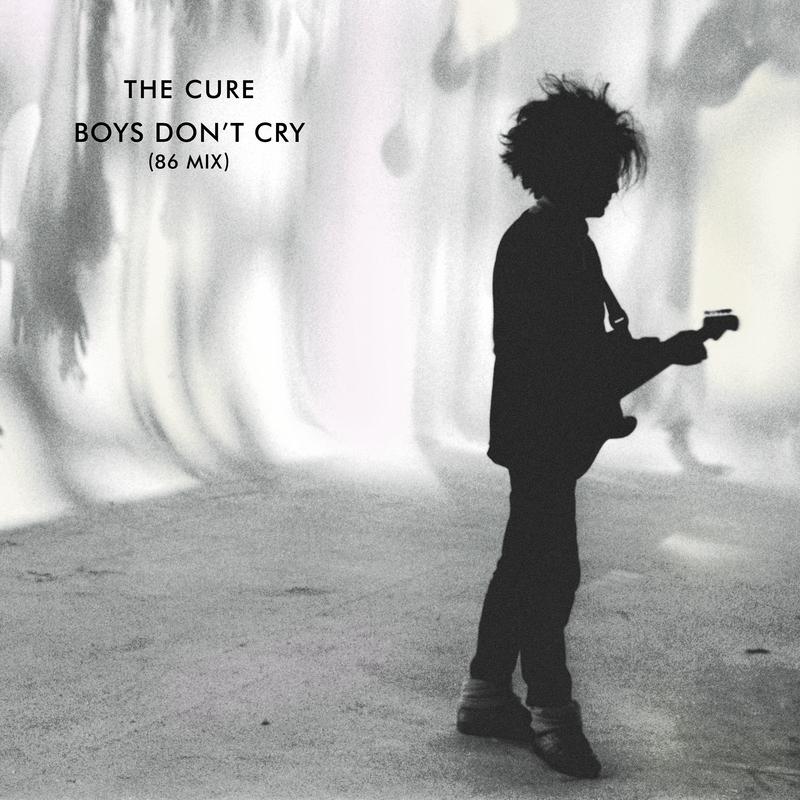
Boys Don’t Cry (86 Mix)
2026-01-30
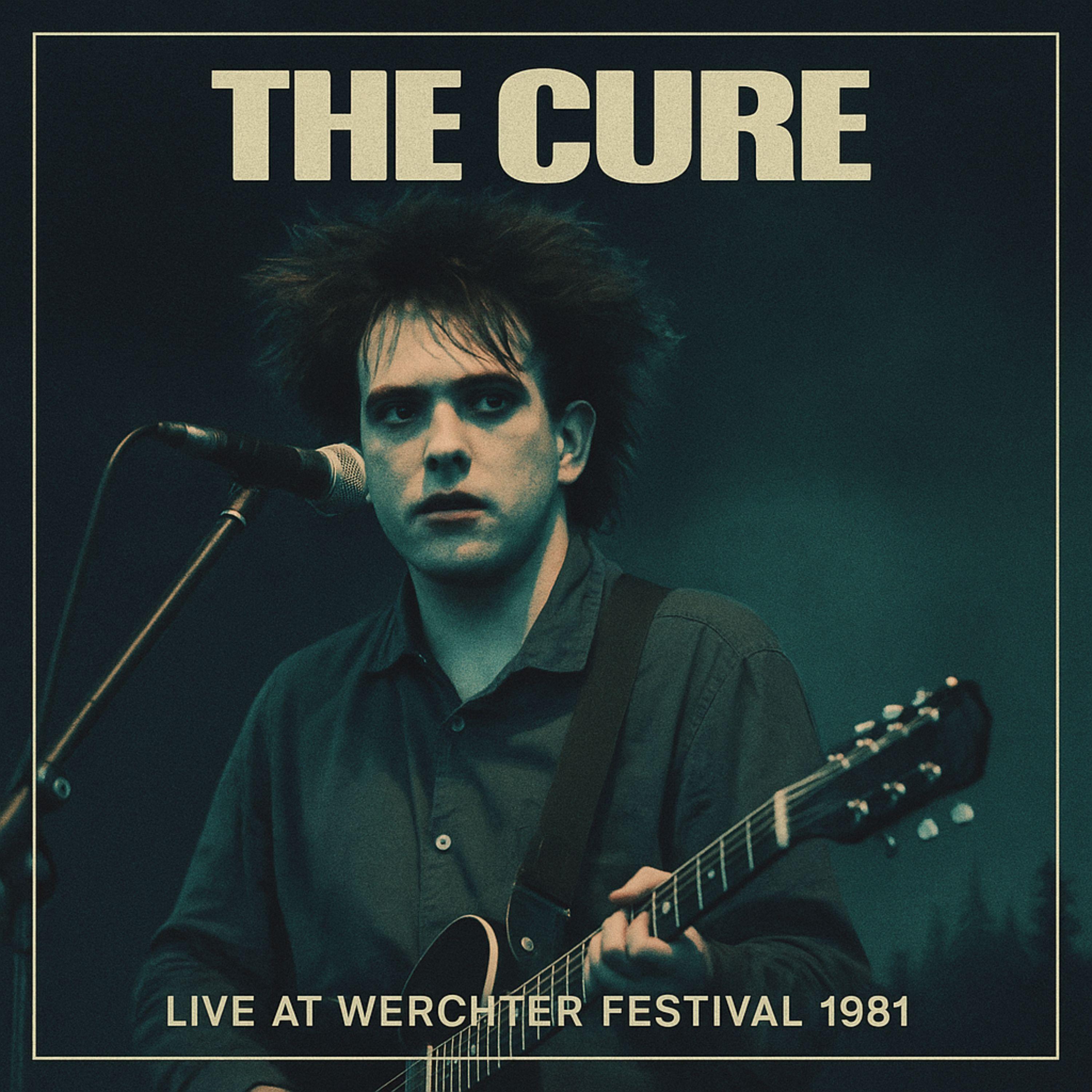
Live at Werchter Festival 1981
1981-08-29
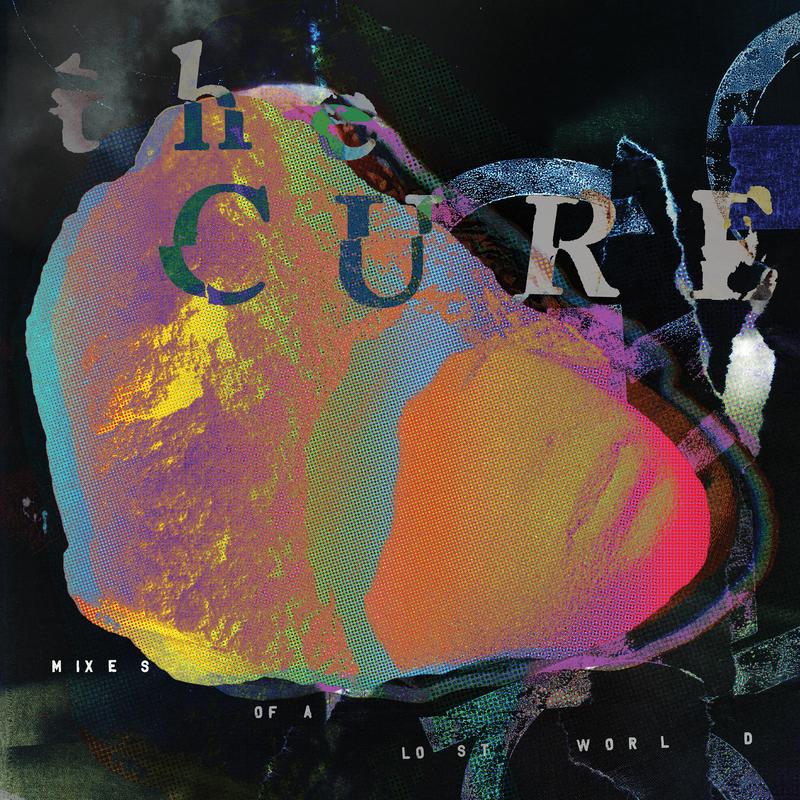
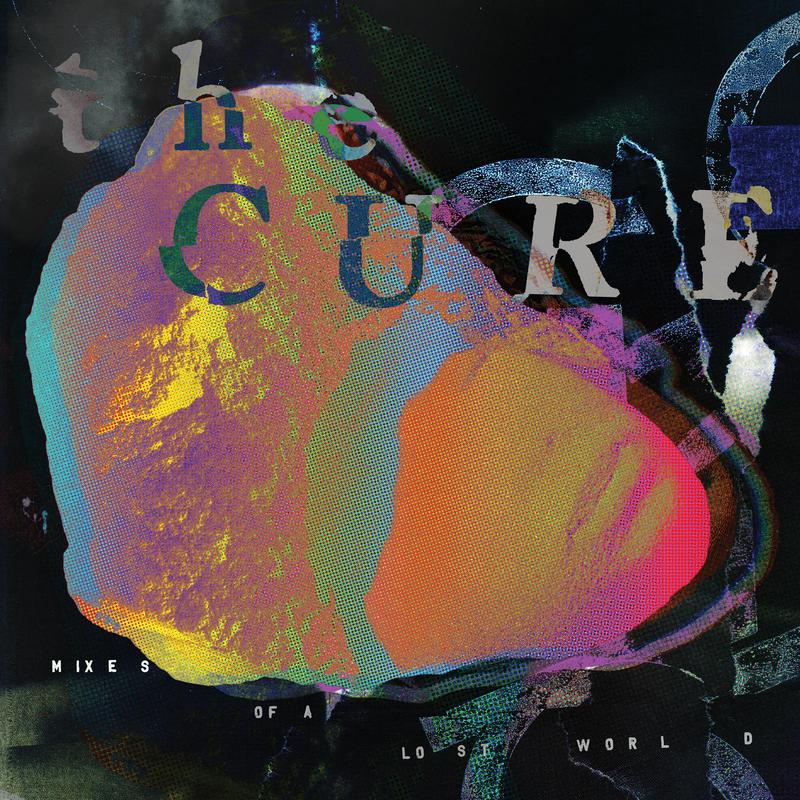
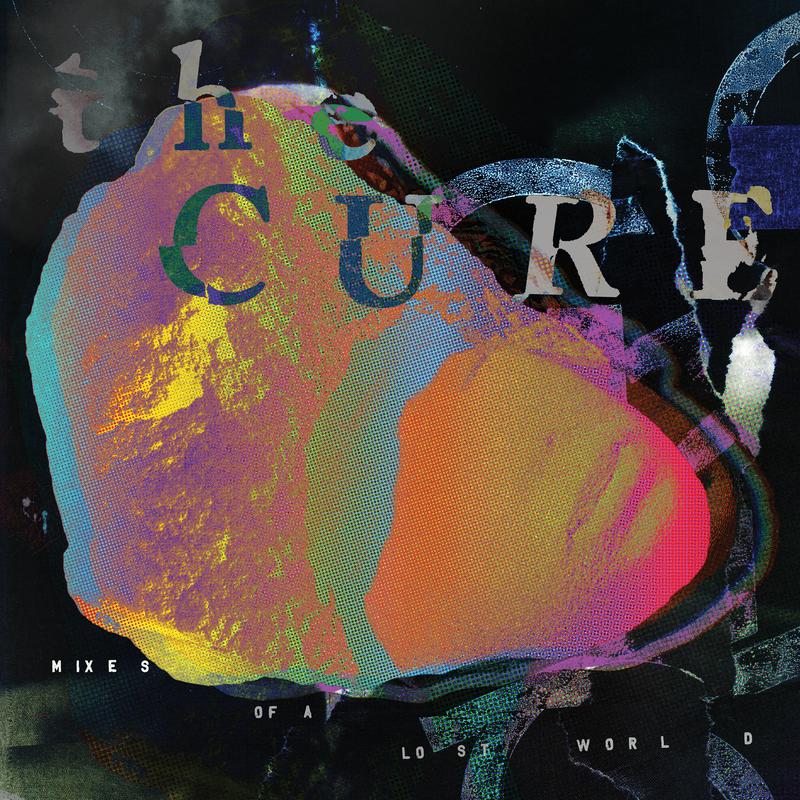
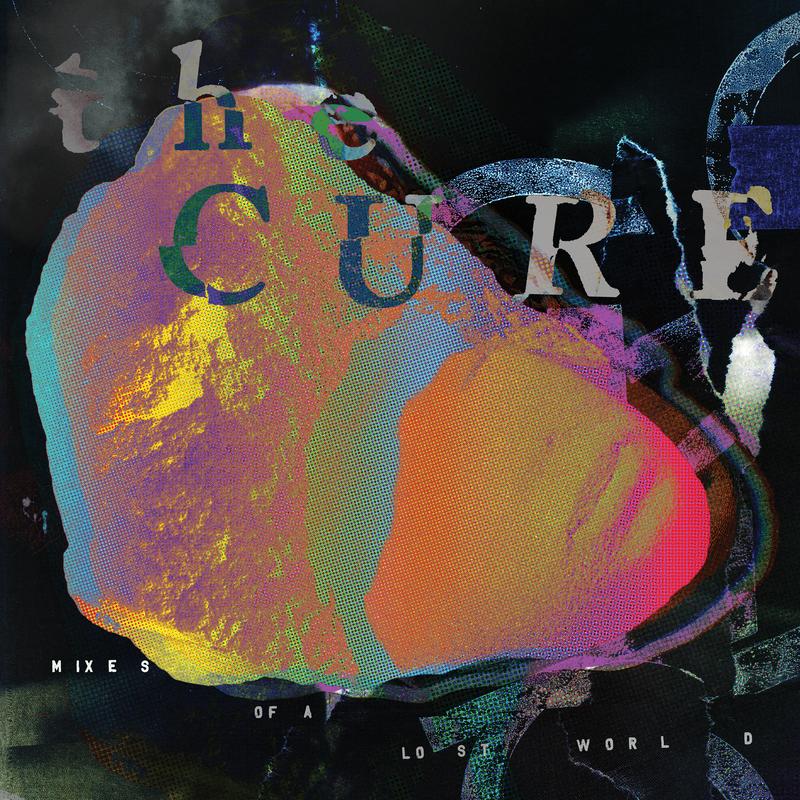
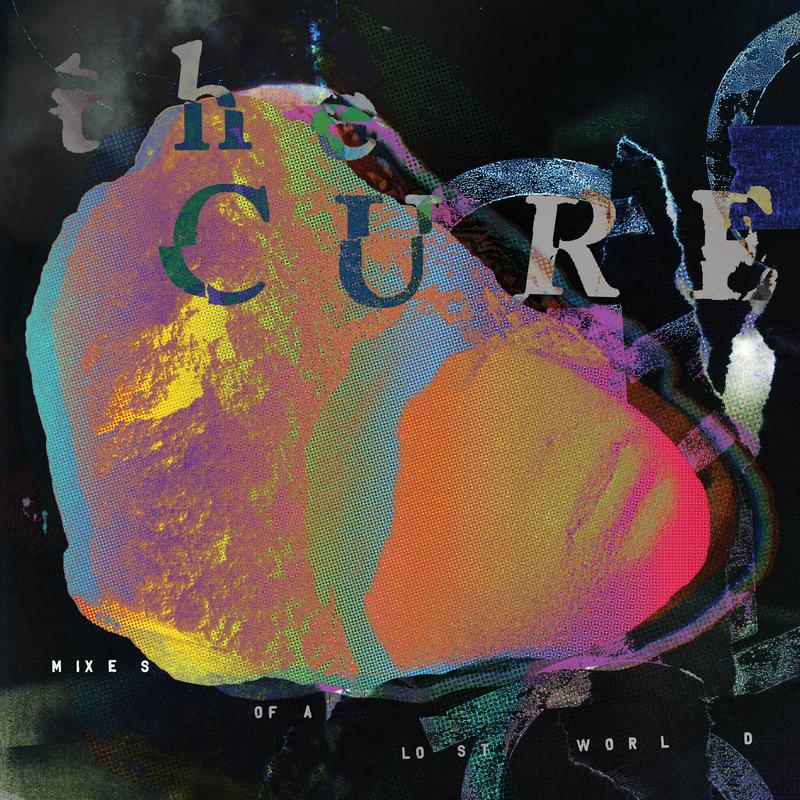
Mixes Of A Lost World
2025-06-13
Drone:Nodrone (Daniel Avery Remix)
2025-05-30
Endsong (Orbital Remix)
2025-05-16
Warsong (Chino Moreno Remix)
2025-05-02
The Cure个人资料
Origin
Crawley, West Sussex, England
Genres
Gothic rock post-punk alternative rock new wave
Years active
1976–present
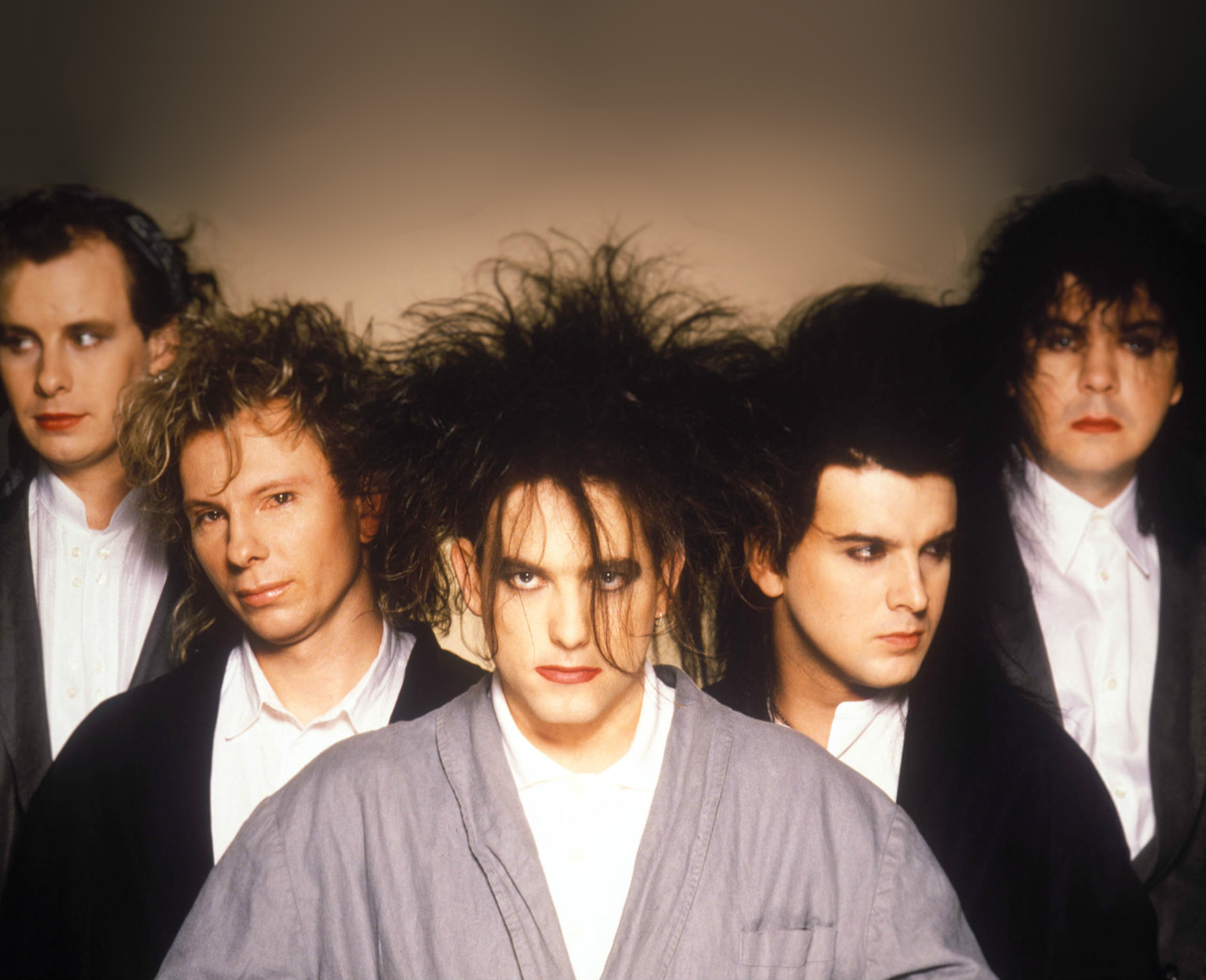
The Cure are an English rock band formed in Crawley in 1976 by Robert Smith (vocals, guitar) and Lol Tolhurst (drums). The band's current line-up comprises Smith, Simon Gallup (bass), Roger O'Donnell (keyboards), Perry Bamonte (guitar and keyboards), Jason Cooper (drums) and Reeves Gabrels (guitar). Smith has remained the only constant member throughout numerous line-up changes since the band's formation, though Gallup has been present for all but two of the band's studio albums.
The Cure's debut album Three Imaginary Boys (1979), along with several early singles, placed the band at the forefront of the emerging post-punk and new wave movements that were gaining prominence in the United Kingdom. The band adopted a new, increasingly dark and tormented style beginning with their second album Seventeen Seconds (1980), which, together with Smith's fashion sense, had a strong influence on the emerging genre of gothic rock and the goth subculture that eventually formed around it. Smith introduced more pop into the band's music following the release of their fourth album Pornography (1982), leading them to worldwide mainstream success. The band reached their commercial peak with the albums Kiss Me, Kiss Me, Kiss Me (1987), Disintegration (1989) and Wish (1992) recorded with guitarist Porl Thompson and drummer Boris Williams.
The Cure have released 14 studio albums, two EPs, and over 40 singles, selling more than 30 million records worldwide.[1] They were inducted into the Rock and Roll Hall of Fame in 2019. Their 14th album Songs of a Lost World (2024) was their first release of all-new material in 16 years and received widespread acclaim, topping the charts in multiple countries (including the UK, their first number one album in the country since 1992) and becoming one of the year's fastest selling albums.
History
1973–1979: Formation and early years
The founding members of the Cure were school friends at Notre Dame Middle School in Crawley.[2] They first performed in public at an end-of-year show in April 1973 as members of a one-off school band called Obelisk.[3] That band consisted of Robert Smith on piano, Michael Dempsey on guitar, Lol Tolhurst on percussion, Marc Ceccagno on lead guitar, and Alan Hill on bass.[3] In January 1976, while at St Wilfrid's Comprehensive School, Ceccagno formed a five-piece rock band with Smith on guitar and Dempsey on bass, along with two other school friends.[4] They called themselves Malice and rehearsed David Bowie, Jimi Hendrix and Alex Harvey songs in a local church hall.[5] By late April 1976, Ceccagno and the other two members had left, and Tolhurst (drums), Martin Creasy (vocals), and Porl Thompson (guitar) had joined the band.[6] This lineup played all three of Malice's only documented live shows during December 1976. In January 1977, following Creasy's departure, and increasingly influenced by the emergence of punk rock, Malice's remaining members became known as Easy Cure – after a song written by Tolhurst.[7]
After winning a talent competition, Easy Cure signed a recording contract with German record label Ariola-Hansa on 18 May 1977.[4] In September 1977, Peter O'Toole (no relation to the actor), who had been the group's vocalist for several months, left the group to live on a kibbutz in Israel. The band auditioned several vocalists that month before Smith assumed the role.[8] The new four-piece of Dempsey, Smith, Thompson, and Tolhurst recorded their first studio demo sessions as Easy Cure for Hansa at SAV Studios in London in October and November 1977.[9] None were ever released.[10]
The band continued to perform regularly around Crawley (including the Rocket, St Edward's, and Queen's Square in particular) throughout 1977 and 1978. On 19 February 1978 they were joined at the Rocket for the first time by a support band from Horley called Lockjaw, featuring bassist Simon Gallup.[11] Hansa, dissatisfied with the group's demos, did not wish to release their original song "Killing an Arab". The label suggested that the band attempt cover versions instead. They refused, and by March 1978 Easy Cure's contract with the label had been dissolved.[12] Smith later recalled, "We were very young. They just thought they could turn us into a teen group. They actually wanted us to do cover versions and we always refused."[10]
On 22 April 1978, Easy Cure played their last gig at the Montefiore Institute Hall (in the Three Bridges neighbourhood of Crawley)[13] before guitarist Porl Thompson was dropped from the lineup because his lead-guitar style was at odds with Smith's growing preference for minimalist songwriting.[14] Smith soon renamed the remaining trio the Cure.[15] Later that month the band recorded their first sessions as a trio at Chestnut Studios in Sussex, producing a demo tape for distribution to a dozen major record labels.[16] The demo found its way to Polydor Records scout Chris Parry, who signed the Cure to his newly formed Fiction label – distributed by Polydor – in September 1978.[17] The Cure released their debut single "Killing an Arab" in December 1978 on the Small Wonder label as a stopgap until Fiction finalised distribution arrangements with Polydor. "Killing an Arab" garnered both acclaim and controversy. While the single's provocative title led to accusations of racism, the song is based on French author Albert Camus's novel The Stranger.[18] The band placed stickers that denied the racist connotations on the single's 1979 reissue on Fiction. An early NME article on the band wrote that the Cure "are like a breath of fresh suburban air on the capital's smog-ridden pub-and-club circuit," and noted: "With a John Peel session and more extensive London gigging on their immediate agenda, it remains to be seen whether the Cure can retain their refreshing joie de vivre."[19]
The Cure released their debut album Three Imaginary Boys in May 1979. Because of the band's inexperience in the studio, Parry and engineer Mike Hedges took control of the recording.[20] The band, particularly Smith, were unhappy with the album; in a 1987 interview, he admitted: "a lot of it was very superficial – I didn't even like it at the time. There were criticisms made that it was very lightweight, and I thought they were justified. Even when we'd made it, I wanted to do something that I thought had more substance to it."[21] The band's second single, "Boys Don't Cry", was released in June.
Steven Severin, Siouxsie Sioux and Budgie with whom Robert Smith played inside Siouxsie and the Banshees as guitarist, in 1979, then from 1982 to 1984
The Cure then embarked as the support band for Siouxsie and the Banshees' Join Hands promotional tour of England, Northern Ireland, Scotland, and Wales between August and October. The tour saw Smith pull double-duty each night by performing with the Cure and as the guitarist with the Banshees when John McKay quit the group in Aberdeen.[22] That musical experience had a strong impact on him: "On stage that first night with the Banshees, I was blown away by how powerful I felt playing that kind of music. It was so different to what we were doing with the Cure. Before that, I'd wanted us to be like the Buzzcocks or Elvis Costello; the punk Beatles. Being a Banshee really changed my attitude to what I was doing."[23]
The Cure's third single, "Jumping Someone Else's Train", was released in October 1979. Soon afterwards, Dempsey was dropped from the band because of his cold reception to material Smith had written for the upcoming album.[24] Dempsey joined the Associates, while Simon Gallup (bass) and Matthieu Hartley (keyboards) from the Magspies joined the Cure. The Associates toured as support band for the Cure and the Passions on the Future Pastimes Tour of England between November and December – all three bands were on the Fiction Records roster – with the new Cure line-up already performing a number of new songs for the projected second album.[25] Meanwhile, a spin-off band comprising Smith, Tolhurst, Dempsey, Gallup, Hartley, and Thompson, with backing vocals from assorted family and friends and lead vocals provided by their local postman Frankie Bell, released a 7-inch single in December under the name Cult Hero.[26]
1980–1982: Early gothic phase
"One Hundred Years"
Duration: 30 seconds.0:30
Sample of "One Hundred Years" from Pornography
Problems playing this file? See media help.
Due to the band's lack of creative control on their first album, Smith exerted a greater influence on the recording of their second album Seventeen Seconds, which he co-produced with Mike Hedges.[27] The album was released in 1980 and reached number 20 on the UK charts. A single from the album, "A Forest", became the band's first UK hit single, reaching number 31 on the singles chart.[28] The album was a departure from the Cure's sound up to that point, with Hedges describing it as "morose, atmospheric, very different to Three Imaginary Boys."[29] In its review of Seventeen Seconds the NME said, "For a group as young as the Cure, it seems amazing that they have covered so much territory in such a brief time."[30] At the same time, Smith became concerned about the concept of an alleged "anti-image".[31] Smith told the press he was fed up with the anti-image association that some considered to be "elaborately disguising their plainness", stating, "We had to get away from that anti-image thing, which we didn't even create in the first place. And it seemed like we were trying to be more obscure. We just didn't like the standard rock thing. The whole thing really got out of hand."[32] That same year Three Imaginary Boys was repackaged for the American market as Boys Don't Cry, with new artwork and a modified track list. The Cure set out on their first world tour to promote both releases. At the end of the tour, Matthieu Hartley left the band. Hartley said, "I realised that the group was heading towards suicidal, sombre music – the sort of thing that didn't interest me at all."[33]
The band reconvened with Hedges to produce their third album, Faith (1981), which furthered the dour mood present on Seventeen Seconds.[34] The album peaked at number 14 on the UK charts.[28] Included with cassette copies of Faith was an instrumental soundtrack for Carnage Visors, an animated film shown in place of an opening act for the band's 1981 Picture Tour.[35] In late 1981 the Cure released the non-album single "Charlotte Sometimes". By this point, the sombre mood of the music had a profound effect on the attitude of the band and they were "stuck in a ghoulish rut". Sometimes Smith would be so absorbed by the persona he projected onstage that he would leave at the end in tears.[36]
In 1982 the Cure recorded and released Pornography, the third and final album of an "oppressively dispirited" trio that cemented the Cure's stature as one of the purveyors of the emerging gothic rock genre.[37] Smith has said that during the recording of Pornography he was "undergoing a lot of mental stress. But it had nothing to do with the group, it just had to do with what I was like, my age and things. I think I got to my worst round about Pornography. Looking back and getting other people's opinions of what went on, I was a pretty monstrous sort of person at that time".[21] Gallup described the album by saying, "Nihilism took over ... We sang 'It doesn't matter if we all die' and that is exactly what we thought at the time."[38] Parry was concerned that the album did not have a hit song for radio play and instructed Smith and producer Phil Thornalley to polish the track "The Hanging Garden" for release as a single.[39] Despite the concerns about the album's uncommercial sound, Pornography became the band's first UK Top 10 album, charting at number eight.[28]
The release of Pornography was followed by the Fourteen Explicit Moments tour, in which the band finally dropped the anti-image angle and first adopted their signature look of big, towering hair, and smeared lipstick on their faces.[40] Simon Gallup left the Cure at the tour's conclusion after a bar fight with Smith; the two did not talk to each other for the following eighteen months.[41] Smith then placed the Cure on hold and rejoined Siouxsie and the Banshees as their lead guitarist in November 1982.[42] He subsequently became a full-time member of that band, and was featured on the live video and album Nocturne. He then recorded the album Hyæna with them, but left the group two weeks before its June 1984 release to concentrate on the Cure.[43]
1983–1988: Commercial success
"Just Like Heaven"
Duration: 22 seconds.0:22
Sample of "Just like Heaven" from Kiss Me, Kiss Me, Kiss Me
Problems playing this file? See media help.
With Gallup's departure from the Cure and Smith's work with Siouxsie and the Banshees, rumours spread that the Cure had broken up. In December 1982, Smith remarked to Melody Maker, "Do the Cure really exist any more? I've been pondering that question myself ... it has got to a point where I don't fancy working in that format again." He added, "Whatever happens, it won't be me, Laurence and Simon together any more. I know that."[44]
Parry was concerned about the state of his label's top band, and became convinced that the solution was for the Cure to reinvent its musical style. Parry managed to convince Smith and Tolhurst of the idea; Parry said, "It appealed to Robert because he wanted to destroy the Cure anyway."[45] With Tolhurst now playing keyboards instead of drums, the duo released the single "Let's Go to Bed" in late 1982. While Smith wrote the single as a throwaway, "stupid" pop song to the press,[46] it became a minor hit in the UK, reaching number 44 on the singles chart,[28] and entered the Top 20 in Australia and New Zealand. It was followed in 1983 by two more successful songs: the synthesiser-based "The Walk" which reached number 12, and "The Love Cats", which became the band's first British Top 10 hit, reaching number seven.[28][47] These singles and their B-sides were compiled on the Japanese Whispers compilation, which was released in December 1983.[48]
Smith in 1985
In 1984, the Cure released The Top, a generally psychedelic album on which Smith played most of the instruments except drums (played by Andy Anderson) and saxophone (played by early Malice member Porl Thompson, who then officially joined the Cure). The album was a Top 10 hit in the UK, and was their first studio album to crack the Billboard 200 in the US, reaching number 180.[28][49] Melody Maker praised the album as "psychedelia that can't be dated", while pondering, "I've yet to meet anyone who can tell me why the Cure are having hits now of all times."[50] The Cure then embarked on their worldwide Top Tour with Thompson and Anderson, along with Phil Thornalley who had produced The Top and assumed bass duties for live performances. Released in late 1984, the Cure's first live album, Concert, consisted of performances from this tour. Near the tour's end, Anderson was fired for destructive behaviour, and was temporarily replaced for a few shows by Vince Ely of the Psychedelic Furs. The drummer position was then officially filled by Boris Williams, who had previously been the touring drummer for Thompson Twins.[51] Ely and Williams had both been recommended by Phil Thornalley, from his previous experiences as a producer and engineer.[52] Soon thereafter, Thornalley also left because of the stress of touring.[53] Former Cure bassist Simon Gallup, who had formed the band Fools Dance in the interim, rejoined the Cure after roadie Gary Biddles brokered a reconciliation between Gallup and Smith.[54] Smith was ecstatic about Gallup's return and declared to Melody Maker, "It's a group again."[55]
In 1985, the new line-up of Smith, Tolhurst, Gallup, Williams, and Thompson (now on guitar and keyboards) released The Head on the Door, an album that managed to bind together the optimistic and pessimistic aspects of the band's music between which they had previously shifted.[56] The Head on the Door reached number seven in the UK and number 59 in the US,[28][49] a success partly due to the international impact of the album's two singles, "In Between Days" and "Close to Me". Following the album and world tour, the band released the singles compilation Standing on a Beach in three formats (each with a different track listing and a specific title) in 1986, accompanied by a VHS and LaserDisc Staring at the Sea, which featured videos for each track on the compilation.[57] This compilation made the US top 50,[49] and saw the re-issue of three previous singles: "Boys Don't Cry" (in a new form), "Let's Go to Bed" and, later, "Charlotte Sometimes". The Cure toured to support the compilation and released a live concert VHS and LaserDisc of the show, filmed in the south of France and called The Cure in Orange. During this time, the band became very popular in Europe (particularly in France, Germany, and the Benelux countries) and increasingly popular in both the US and Canada.[58]
The band kicked off 1987 by performing in Buenos Aires, Argentina, becoming one of the first British alternative rock bands to perform a large-scale concert there.[59] The concert ended in a riot after fans who had purchased counterfeit tickets were denied entry to the venue.[60] The Cure did not play in Argentina again until 2013.[59]
In May, the Cure released the eclectic double album Kiss Me, Kiss Me, Kiss Me, which reached number six in the UK, the top 10 in several countries,[61] and was the band's first entry into the US top 40 at number 35; the album was also certified platinum in the US.[28][49][62] The album's third single, "Just Like Heaven", was the band's most successful single to date in the US, being their first to enter the Billboard Top 40.[49] The album produced three other hit singles. After the album's release, the band recruited Roger O'Donnell, previously the touring keyboardist for the Psychedelic Furs and a longtime friend of Williams, to supplement the work of Tolhurst while allowing Thompson to focus on guitar. During the subsequent tour, Tolhurst's alcohol consumption began to interfere with his ability to perform.[63]
1989–1993: Disintegration and worldwide stardom
"Lovesong"
Duration: 30 seconds.0:30
Sample of "Lovesong" from Disintegration
"Lullaby"
Duration: 30 seconds.0:30
Sample of "Lullaby" from Disintegration
Problems playing these files? See media help.
In 1989, the Cure released the album Disintegration, which was critically praised and became their highest-charting album to date, entering at number three in the UK and featuring three Top 30 singles in the UK and Germany: "Lullaby", "Lovesong" and "Pictures of You".[28][64] Disintegration also reached number 12 on the US charts.[49] The first single in the US, "Fascination Street", reached number one on the American Modern Rock chart, but was quickly overshadowed by its third US single, "Lovesong", which reached number two on the American pop charts (the only Cure single to reach the US Top 10).[49] By 1992, Disintegration had sold over three million copies worldwide.[65]
During the Disintegration sessions, the band gave Smith an ultimatum that either Tolhurst would have to leave the band or they would.[66] In February 1989, Tolhurst's exit was made official and announced to the press;[67] this resulted in O'Donnell becoming a full-fledged member of the band and left Smith as the Cure's only remaining founding member. Smith attributed Tolhurst's dismissal to an inability to exert himself and issues with alcohol, concluding, "He was out of step with everything. It had just become detrimental to everything we'd do."[68] Because Tolhurst was still on the payroll during the recording of Disintegration, he is credited in the album's liner notes as playing "other instruments" and is listed as a co-writer of every song; however, it has since been revealed that while Tolhurst had contributed to the song "Homesick",[69] his contributions to the rest of the album were minimal due to his alcoholism.[69]
The Cure then embarked on a successful tour which saw the band playing stadiums in the US. On 6 September 1989, the Cure performed "Just Like Heaven" at the 1989 MTV Video Music Awards at the Universal Amphitheatre in Los Angeles.[70] In May 1990, O'Donnell quit and was replaced by Perry Bamonte, who played both keyboards and guitar and had been a member of the band's road crew since 1984.[71] That November, the Cure released a collection of remixes called Mixed Up. The one new song on the collection, "Never Enough", was released as a single. In 1991, the Cure were awarded the Brit Award for Best British Group.[72] That same year, Tolhurst filed a lawsuit against Smith and Fiction Records over royalties payments and claimed that he and Smith jointly owned the name "The Cure"; the lawsuit finally ended in 1994 in favour of Smith. In the meantime, the band returned to the studio to record their next album.[73] Wish (1992) reached number one in the UK and number two in the US and yielded the international hits "High" and "Friday I'm in Love".[28][49] The album was also nominated for the Grammy Award for Best Alternative Music Album in 1993.[74] In the autumn of 1993, the band released two live albums, Show and Paris, featuring recordings from concerts on their Wish world tour.[75][76]
1994–1998: Transition
In 1994 the band composed the original song "Burn" for the soundtrack to the movie The Crow, which went to number one on the Billboard 200 albums chart.[77] Between the release of Wish and the start of sessions for the Cure's next studio album, the band's line-up shifted again.[78] Porl Thompson left the band to tour with Page and Plant and was not replaced,[79][80] while Boris Williams quit and was replaced by new drummer Jason Cooper (formerly of My Life Story).[80] After a four-year absence, Roger O'Donnell returned to play keyboards.[78] The sessions for their next album began in 1994 with only Robert Smith and Perry Bamonte present; Simon Gallup then returned from a health-related leave of absence, after which Cooper and O'Donnell joined the sessions.[81][82]
Wild Mood Swings, finally released in 1996, was poorly received compared with previous albums and marked the end of the band's commercial peak.[83] Early in 1996, the Cure played festivals in South America, followed by a world tour in support of the album. In 1997 the band released Galore, a compilation album containing all of their singles released between 1987 and 1997, as well as the new single "Wrong Number", which featured longtime David Bowie guitarist Reeves Gabrels.[84] In 1998 the Cure contributed the song "More Than This" to the soundtrack for The X-Files film, as well as a cover of "World in My Eyes" for the Depeche Mode tribute album For the Masses.[85]
"Out of This World"
Duration: 30 seconds.0:30
Sample of "Out of This World" from Bloodflowers.
Problems playing this file? See media help.
1999–2005: The Trilogy and more personnel changes
With only one album left in their record contract and with commercial response to Wild Mood Swings and the Galore compilation lacklustre, Smith once again considered that the end of the Cure might be near and thus wanted to make an album that reflected the more serious side of the band.[86] The Grammy-nominated album Bloodflowers was released in 2000 after being delayed since 1998.[87] According to Smith, the album was the third of a trilogy along with Pornography and Disintegration.[88] The band embarked on the nine-month Dream Tour, which included 20 dates in the United States.[89] In 2001, the Cure left Fiction and released their Greatest Hits album and DVD, which featured the music videos for a number of their songs.[90] The band released The Cure: Trilogy as a double live album video, on two double layer DVD-9 discs, and later on a single Blu-ray disc. It documents the Trilogy Concerts, in which the three albums – Pornography, Disintegration, and Bloodflowers – were played live in their entirety one after the other each night, the songs being played in the order in which they appeared on the albums. Trilogy was recorded on two consecutive nights, 11–12 November 2002, at the Tempodrom Arena in Berlin.
The Cure in concert in 2004. From left to right: Robert Smith, Jason Cooper, and Simon Gallup
In 2003, the Cure signed with Geffen Records.[91] In 2004, they released a new four-disc boxed set on Fiction Records titled Join the Dots: B-Sides & Rarities, 1978–2001 (The Fiction Years). The album peaked at number 106 on the Billboard 200 albums chart.[49] The band released their twelfth album, The Cure, on Geffen in 2004. It made a top ten debut on both sides of the Atlantic in July 2004.[28][49] To promote the album, the band headlined the Coachella Valley Music and Arts Festival that May. From 24 July to 29 August, the Cure headlined the Curiosa concert tour of North America, which was formatted as a traveling festival and also featured Interpol, the Rapture, Mogwai, Muse, and Thursday, among other groups.[92] While attendances were lower than expected, Curiosa was still one of the more successful American summer festivals of 2004.[93] The same year the band was honoured with an MTV Icon award in a television special presented by Marilyn Manson.[94]
In May 2005, O'Donnell and Bamonte were fired from the band.[95][96] O'Donnell claims Smith informed him he was reducing the band to a three-piece. Previously O'Donnell said he had only found out about the band's upcoming tour dates via a fan site and added, "It was sad to find out after nearly twenty years the way I did, but then I should have expected no less or more."[97] The remaining members of the band – Smith, Gallup and Cooper – made several appearances as a trio[91] before Porl Thompson returned to the Cure's lineup for their summer 2005 tour.[98] In July 2005, the band performed a set at the Paris concert of the Live 8 series of benefit concerts.[99]
2006–2015: 4:13 Dream and Reflections
The Cure began writing and recording material for their thirteenth album in 2006.[100] The Cure postponed their autumn 2007 North American 4Tour in August to continue working on the album, rescheduling the dates for spring 2008.[101][102] The group released four singles and an EP – "The Only One", "Freakshow", "Sleep When I'm Dead", "The Perfect Boy" and Hypnagogic States respectively – on or near to the 13th of each month, in the months leading up to the album's release. Released in October 2008, 4:13 Dream was a commercial failure in the UK compared to their previous album releases, only staying in the charts two weeks and not peaking higher than number 33. In February 2009, the Cure received the 2009 Shockwaves NME Award for Godlike Genius.[103]
Robert Smith performing at the Roskilde Festival in 2012
O'Donnell officially rejoined the Cure in 2011 before the band performed at the Vivid Sydney festival in Australia.[91] This concert was the first in their Reflections concert series, in which they performed their first three albums in their entireties.[104] The band performed seven additional Reflections concerts in 2011, one in London, three in New York City and three in Los Angeles.[105] On 27 September, the Cure was announced as a nominee for 2012 induction into the Rock and Roll Hall of Fame.[106]
In NME's cover article for March 2012, the Cure announced that they would be headlining a series of summer music festivals across Europe, including the Leeds/Reading Festival.[107][108] On 1 May, Porl Thompson announced that he had left the Cure for the second time.[109][110] On 26 May, the Cure embarked on a 19-date summer festival tour of Europe, commencing at the Pinkpop Festival, joined by Reeves Gabrels on guitar. On the same day, it was announced that Gabrels would be standing in for the tour, but at that point was not a full-fledged member of the band.[111][112][113] Several weeks into the tour, the band invited Gabrels to become a member and he accepted.[114] In 2013, the Cure toured South America, where they had not performed since 1987 apart from two 1996 concerts in Brazil.[115]
In early 2014, Smith announced that the band would release a follow-up to 4:13 Dream later that year titled 4:14 Scream. The releases would be compiled together as a double album named 4:26 Dream. However, this project was eventually abandoned.[116][117][118] The Cure paid tribute to Paul McCartney on the album titled The Art of McCartney, which was released on 18 November 2014. The Cure covered the Beatles' song "Hello, Goodbye" which featured guest vocals and keyboards from Paul's son James McCartney. A video of the band and James performing the song was released on 9 September 2014; it was filmed at Brighton Electric Studio in Brighton.[119] Robert Smith also covered McCartney's "C Moon" on the album's bonus disc.[120] In the summer of 2015, the Disintegration track "Plainsong" was featured in a humorous moment in the movie Ant-Man, but did not appear on the movie's soundtrack.[121]
2017–present: Songs of a Lost World
In June 2018, the Cure headlined the 25th annual Meltdown Festival in London.[122] Smith also selected the festival's lineup, which included several of his personal favourite artists, including Nine Inch Nails, My Bloody Valentine, Deftones, Placebo, Manic Street Preachers, and Kristin Hersh, among others.[123] On 7 July 2018, Cure performed a 40th anniversary concert at Hyde Park as part of the British Summer Time concert series.[124] For Record Store Day 2018, the Cure released a remastered, deluxe edition of Mixed Up, along with a sequel titled Torn Down featuring 16 new remixes all created by Robert Smith.[125]
In a 30 March 2019 interview with Rolling Stone, Smith commented on the band's next album, saying, "For the first time in 20 years, we went into a studio – we actually went into the studio where they [Queen] did 'Bohemian Rhapsody'. The songs are like 10 minutes, 12 minutes long. We recorded 19 songs. So I have no idea what to do now... We'll finish it before we start in the summer, and it'll be mixed through the summer. And then so release date, I don't know, October? Halloween! Come on!"[126] In an interview published on 5 July in NME, he noted that the band would be re-recording three or four songs in August 2019 but that, "I feel intent on it being a 2019 release and would be extremely bitter if it isn't."[127] The year passed with no new studio release, as did the following four years.
In 2019, the Cure embarked on a 23-date summer tour, consisting mostly of festival performances along with four dates in Sydney, Australia. The final Sydney show on 30 May was live-streamed.[128] The band performed at the Austin City Limits Music Festival in October 2019.[129] Later that same month, the band issued 40 Live: CURÆTION-25 + Anniversary, a Blu-ray, DVD and CD box set featuring their Meltdown and Hyde Park performances from 2018 in their entireties.[130]
In interviews in June 2021, Smith referenced the recording of two new Cure albums, saying "One of them's very, very doom and gloom and the other one isn't," and that the recordings have been completed, "I just have to decide who's going to mix them."[131][132] On 15 August 2021, bassist Simon Gallup posted on his social media that he had left the Cure.[133] No official statement concerning his departure was made by Smith or the band[134] and Gallup subsequently deleted the post. On 14 October 2021, Gallup confirmed that he was still in the band.[135]
In March 2022, Smith confirmed that the first of the band's two projected new albums would be titled Songs of a Lost World.[136] An update was provided in May 2022, when Smith claimed that the album would be released prior to the band's European tour in October 2022.[137] This, however, did not happen, as the tour got underway with no new album being released, although new material was performed. Perry Bamonte returned to the band for their Lost World tour beginning with their 6 October 2022 concert in Riga, Latvia.[138] In March 2023, the Cure announced a 30-date North American tour called Shows of a Lost World, set to take place in May through July, the band's first full United States tour since 2016.[139] Smith was outspoken against Ticketmaster's dynamic pricing model and ticket scalpers, setting base prices as low as $20 before fees;[140][141] he also negotiated with the company to issue partial refunds to fans who were subjected to excessive fees above the list price.[142]
The Cure released a 12-inch single on 1 October 2024 featuring live recordings of two new songs, "And Nothing Is Forever" and "I Can Never Say Goodbye",[143] that were recorded at a concert in France in 2022.[144]
In September 2024, the band began sending out cryptic postcard messages to fans who signed up for their mailing list along with a poster unveiled in a pub in Robert Smith's hometown where the band played some of their earliest shows. On 26 September, the first single from the album, "Alone", was released. The album was produced by Smith and Paul Corkett, who Smith previously worked with to produce Bloodflowers.[145][146] Songs of a Lost World, their first studio album in sixteen years, was released on 1 November 2024.[147][148] Songs of a Lost World reached number one on the UK Albums Chart, and was the Cure's first chart-topping album since Wish in 1992.[149] In the United States, Songs of a Lost World debuted at number four on the Billboard 200, and was the band's first top ten album there since The Cure in 2004.[150]
In October 2024, Smith said the Cure would release a follow-up album to Songs of a Lost World and tour in 2025, and would release a documentary in 2028.[151] He also suggested that the Cure would retire in 2029, which would be the year he turns 70 and the 50th anniversary of their debut album Three Imaginary Boys.[152] A 24-track album Mixes of a Lost World was released in June 2025, featuring remixes of songs from Songs of a Lost World by artists including Chino Moreno, Trentemøller, and Paul Oakenfold.
New Wave(新浪潮)Post-Punk(后朋克) Alternative Pop/Rock(另类流行/摇滚)Synth-Pop(合成器) Brit-pop(英伦摇滚)gothic rock(哥特摇滚)
SMITH,一个来自CRAWLEY的男孩。如今已卖出了两千四百万张唱片,而且是一个只需要在MTV上剪短头发,就能让许多人感到痛苦的男人。他把他个人的一切都神秘的隐藏在他那引人注意的蜘蛛网般的黑发和血红的嘴唇后面。而对于听过他的音乐的人来说,不管是一直用他的歌声伴随着你的人声,还是偶尔走过他的道路,你都会感受到一个魔幻般的世界。缀满星辰的天空,深蓝色的湖面,鲜艳的深吻。....一切都是如此的不可思议。十四岁时与同学LOL TOLHURST, MICHAEL DEMPESY一起组成了名为EASY CURE的乐队。
乐队历程
我一直想知道是什么力量在整整十九年的时间里面,一直支持者一个充满着无数矛盾的思想,而同时又被无尽的激情燃烧的大脑.这一切的答案在哪呢?ROBERT SMITH?对,就在ROBER SMITH,一个创造了THE CURE那疯狂,异常的音乐世界的歌手,一个在十四岁大还穿着天鹅绒校服时就因其恶劣行为被开除学校的男孩,一个梦想在永不停止的音乐声中尖叫,狂笑,在悬崖绝壁上蹒跚漫步的疯子。
SMITH的路程开始於1959年四月二十一号的BLACKPOOL.但还在他幼年时全家就搬到了CRAWLEY.他个人的思想也就萌芽于城市的边缘,六岁时,他从他的哥哥RICHARD处开始学习吉他和弦,他们的第一盒样,包括一首有点模仿ALBERT CAMUS的"THE OUTSIDER"的名为"KILLING AN ARAB"的歌曲,到了POLYDOR唱片公司的CHRIS PARRY的手中。被这首歌深深打动的PARRY,在1978年12月通过独立唱片公司SMALL WONDER为THE CURE出版了一张限量发行的单曲唱片.而当时离开POLYDOR,组建了FICTION RECORDS时,也同时把THE CURE带到了新公司,直到现在。
1975年二月,FICTION再版了"KILLING AN ARAB",乐队也开始了巡回演出.他们个性分明,富有哲理充满迷幻感的音乐向其时流行一时的PUNK乐队发起了挑战。SMITH为THE CURE的音乐建立起了一个与众不同的标志.随后THE CURE出版了第一张个人专辑"THREE IMAGINARY BOYS".在这张专辑中,THE CURE第一次表示了他们在音乐中的基本态度:来自郊区的年轻人对市区的反感和对抗。在1979年,ROBER SMITH为自己的演唱生涯打开了成功之门.不止是经历了漫长的巡回演唱会,并录制了两手单曲"DON'T CRY"和"JUMPING SOMEONE EESE'S TRAIN".而且当THE CURE与IOUXSIE和THE BASHEES共同举行巡回演出期间,ROBERT SMITH常常一晚要出场两次,除了在THE CURE中演出,还要在THE BANSHEES中出任吉他手和词曲作者,而当MICHAEL DEMPSEY被SIMON GALLUP取代,又加入了键盘手MATTHIEU HARTLEY后,THE CURE在1979年末,也登上了一个新的历程
随后THE CURE出版了第二张专辑"SEVENTEEN SECONDS",这张专辑使THE CURE在黑色,哥特式的音乐创作方面开阔了新的领地,并出现了乐队的第一首热门歌曲"A FOREST".凭借这首歌,专辑进入了排行榜前二十名,THE CURE也成为了一这真正的热门乐队,并在欧洲和亚洲举行了一次巡回演唱会,但就在这期间,MATHIEU HARTLEY 离队,THE CURE又回到了三人组合。
大概是因为乐队成员的频繁更换,这是乐队对未来产生了莫名的恐惧,害怕失败,害怕解散,甚至害怕没人为他们发行以后的专辑.1981年的"FAITH"中强烈的幽闭感和对此的恐惧体现了乐队当时的心态。所幸的是这张专辑爬上了英国排行榜的第十四,比前两张专辑更为成功.单曲"PRIMARY"也同样取得了成功。尽管乐队并未摆脱那种歇斯底里的情绪对他们的影响.1982年推出的PROGRAPHY却成为了八十年代最具标志性的唱片之一。但这也似乎预示着乐队将走上不可避免的一步,在巡回演唱会即将结束时,一切终于发生了,SIMON GALLUP宣布离队,同时LOL TOLHUREST也拒绝再作为乐队的鼓手,而要改做键盘手.但这次THE CURE挺过来了,在吸引了新鼓手STEVE GOULDING后,THE CURE在年末推出了一首新单曲,带有舞曲风格的"LET'S GO TO BED"就在此时,另一位对THE CURE有着重大影响的人TIM POPE在拍摄这首歌的MTV时出现了。TIM POPE是一位与众多乐队合作过的MTV导演.他说:"THE CURE也许是你所能遇到的乐队中最愚蠢的合作伙伴,但他们又是最充满智慧的乐队。"在1983年的"THE WALK"成为排行榜第十二名后,SMITH终于知道他已经摆脱了录制"PORNOGRAPHY"时的绝望与愤怒,而能够以一种正常的思想去探索更多的未知的音乐.
1983年,SMITH花了更多的时间与失去了吉他手THE BANSHEES在一起,并录制了一张名为"HYAENA"的专辑和一张现场演唱会录音EP.但同时,THE CURE在吸收了新鼓手和贝斯手后,以一种全新的姿态出现在公众面前,并推出了THE CURE最著名的一首歌"THE LOVECATS",这首带有爵士风格的歌曲登上了排行榜第七名。这次成功不但表明SMITH的歌曲创作达到了一个新的高潮,而且也为他们赢得了更多的歌迷.但这些成功并不意味着THE CURE已经完全忘记了曾长时间盘踞在他们心中的紧张和恐惧,1984年推出的"THE TOP"就是对此的一段回忆。这张专辑给人的感受如同是一辆疾驰的过山车在绝望中穿越过性和死亡.就在"THE TOP"上到专辑榜第十名时,其中的一首单曲"THE CAPERPILLARS",一首描写在黑暗与绝望中的短暂甜蜜的歌曲也上到了单曲榜第十四名。不久THE CURE又有了新的变动,ANDY ANDERSON和PHIL THEORNALLEY先后离队,自行发展,取代他们的是鼓手BORIS WILLIAMS和吉他手PORL THOMPSON,同时原来的贝斯手SIMON GALLUP也回到了队中
1986年五月乐队为打开美国市场在美国出版了一首单曲"THE HEAD ON THE DOOR",这似乎成了成功的前兆,美国媒体显然被ROBERT SMITH的个人神秘魅力所吸引,称他为"THE MALE KATE BUSH(男人中的KATE BUSH)",而当SMITH剪掉他一头蜘蛛网般的头发时,人们还为此感到沮丧。到了1987年,乐队又有了新的成员键盘手ROGER O DONNELL,而此时THE CURE也成立十年有十年之久了,在这十年中,他们共售出了八百万张唱片,为了纪念这一切,THE CURE出版了一本名为"TEN IMAGINARY YEARS"的书,详细记载了这传奇般的十年.
乐队的下一张专辑是一张名为"KISS ME KISS ME KISS ME"的双唱片,整张专辑充满了无尽的想象力和喜怒无常的感情,不论是痛苦还是幸福,THE CURE的演绎都是如此的出色。后推出的四首单曲"WHY CAN'T I BE YOU?""CATCH""HOT HOT HOT!""JUST LIKE HEAVEN"成为了美国各地独立电台的热门曲目.THE CURE也突然成为美国最走红的乐队之一。
但1989年,乐队与LOL TOLHURST的关系变得越来越糟,这直接导致了TOLHURST的离开.对于THE CURE来说, 这也许是最不应该发生的事。毕竟TOLHURST从乐队建设时就在乐队中,他的离开是每个人都不愿看到的.也许是受此事的影响,乐队的新专辑名为"DISINTEGRATION(瓦解)",这是一张带有着神秘和忧伤的专辑,在热门单曲"FASCINATION STREET" "LULLABY" "PICTURES OF YOU"和"LOVE SONG"的驱动下,"瓦解"升到了BILLBOARD的第二位,为此THE CURE 在美国进行了巡回演出。但在演出结束后,ROGER O DONNELL离开了乐队,取代他的是PERRRY BAMONTE.
1990年乐队出版了一张名为"MIXED UP"的混音专辑,包括了热门歌曲"NEVER EOUGH"和PAUL OAKENFOLD的经典歌曲"CLOSE TO ME"和翻唱混音版。更令人兴奋的是乐队在次年的二月的英国音乐颁奖典礼上获得了最佳乐队奖.不过最令THE CURE感到自豪的是他们在1992年推出的"WISH",这张专辑获得了前所未有的成功。不仅仅是因为被众多的乐评人认为是他们最好的一张唱片,而是因为ROBERT SMITH在这张专辑中通过一首首歌曲将他多变的性格和梦想完完全全的表达出来,并建立起了一个完全属于他本人和THE CURE的世界.就如他自己所说的"我们做的越久,就会和别人离的越远".在商业上WISH也获得了巨大的成功,英国的第一名和美国的第二名,还涌现了热门歌曲"FRIDAY I'M IN LOVE " "HIGY" "A LETTER TO ELISE" .
1993年对THE CURE来说是喜忧参半的一年,乐队出版了多张现场演唱会专辑,包括唱片和录像,并将其中一部分收益捐赠给了国际红十字会。至此,乐队在全世界已经售出了超过两千三百万张唱片.但乐队成员的频繁变动的问题仍在继续。PORL THOMPSON也离开了乐队.而1994年则无疑是艰难的一年,尽管乐队和FICTION唱片公司在一场与LOL TOLHURST的官司中最终获胜,但这也严重分散了他们的精力。而就在乐队即将推出新专辑的前夕,BORIS WILLIAMMS向媒体宣布了离队的消息,乐队在无奈之下只有在一份报纸上刊登了这样一篇广告"著名乐队征求鼓手(非重金属)."而最终竟先后有至少七名鼓手在乐队新专辑的录制过程中被使用,直到1995年春天,这一问题才得以解决,JASON COOPER成为了乐队的正式鼓手,另一方面,ROGER O DONNELL也回到了队中。1996年二月,乐队终于推出了名为"WILD MOOD SWINGS"的专辑,正如他们在92年的"WISH"中将他们零散的音乐灵感融会成一个完美的整体一样,在"WILD MOOD SWINGS"中.THE CURE将他们的音乐推向了一个新的领域,表达着欲望与沮丧的共存。正如标题所显示的,THE CURE奖歌迷邀请进了一个充满想象力的巨大的空间,在那,一切都会在瞬间改变,安全,危险,幸福,忧伤都没有任何界限.在举行完"SWING"巡回演唱会,并第一次在美国的电视网上演出之后。乐队决定来一点小小的改变,他们推出一张名为"FIVE SWING LIVE"的限量发售的EP唱片时,没有按照惯例在唱片店发售, 而是在他们的INTERNET网址上向那些深爱他们的歌迷出售,这也使得这张唱片成为了一张罕见的收藏品.
1997年一月,ROBERT SMITH被邀请参加了在纽约麦迪逊广场举行的摇滚名人殿堂五十周年纪念会,同时参加的还有DAVID BOWLE,LOU REED,FRANK BLANK,FOO FIGHTER和BILLY CORGAN.SMITHE还与DAVID BOWLE在一起合唱了七十年代的名曲"QUICKSAND".同年夏天,THE CURE到了美国参加在LOS ANGELES举行的KROQ WEENIE ROAST 音乐节。在那,他们受欢迎的程度甚至超过了OASIS,BLUR,FOO FIGHTER和OFFSPRING这些大红打字的新乐队.ROBERT SMITH在舞台上还宣布即将发行一张收集了从1987到1997年的所有THE CURE的单曲的精选集。作为THE CURE从一直默默无闻的地下乐队到一支名闻天下的殿堂级乐队的全过程的纪录,在这张名为"GALORE"的精选集中收录了THE CURE过去十年中最著名的歌曲,以及一首名为"WRONG NUMBER"的新歌.
在THE CURE二十年的演唱生涯和两千五百万张唱片销量的背后,THE CURE依然是他们遍布全球的歌迷心中的力量源泉。作为一支非主流音乐的先驱者,他们深深影响了许多后来的乐队,如SMASHING PUMPKINS"和"THE CRADGANS" 等.
就像所有伟大的摇滚乐队一样,THE CURE用音乐在摇滚乐的历史上烙上了他们的印记,成为一代人的代言人。