David Byrne热门歌曲下载
查看全部|
|
歌曲 | 专辑 | 时长 |
|---|---|---|---|
|
1
|
The Last Emperor Original Soundtrack |
04:01 |
|
|
2
|
04:15 |
||
|
3
|
drivers license |
03:25 |
|
|
4
|
Everything Everywhere All at Once (Original Motion Picture Soundtrack) |
02:41 |
|
|
5
|
04:01 |
||
|
6
|
The Last Emperor Original Soundtrack |
02:01 |
|
|
7
|
The Last Emperor Original Soundtrack |
02:19 |
|
|
8
|
Bed
SQ
|
The Last Emperor Original Soundtrack |
05:00 |
|
9
|
One Breath (Deluxe Edition) |
05:32 |
|
|
10
|
Lockdown
SQ
|
Something Beautiful (Deluxe) |
13:32 |
David Byrne最新专辑下载
查看全部
¿Cuál Es La Razón?
2026-04-28
drivers license
2026-01-08
T Shirt
2025-11-18
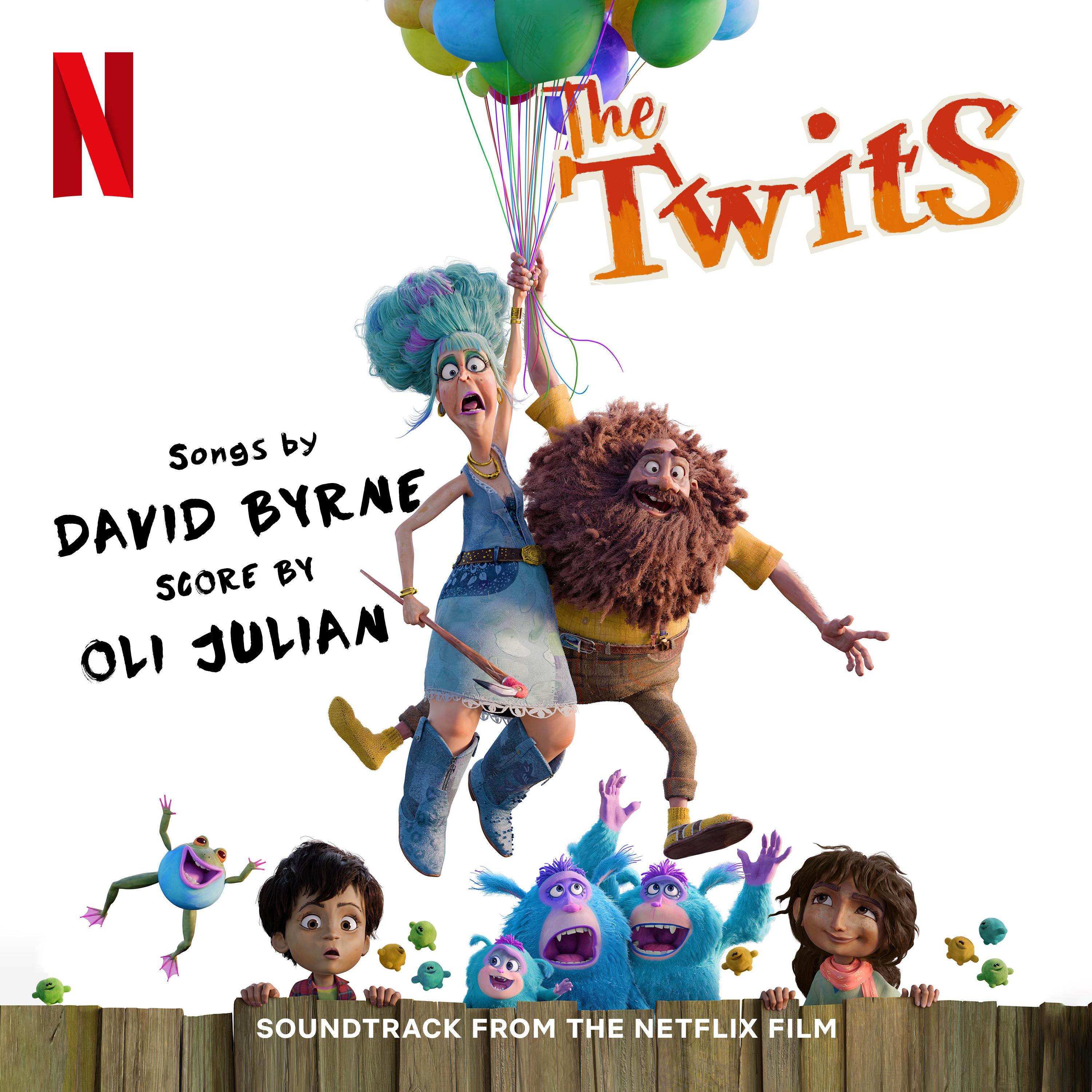
The Twits (Soundtrack from the Netflix Film)
2025-10-17
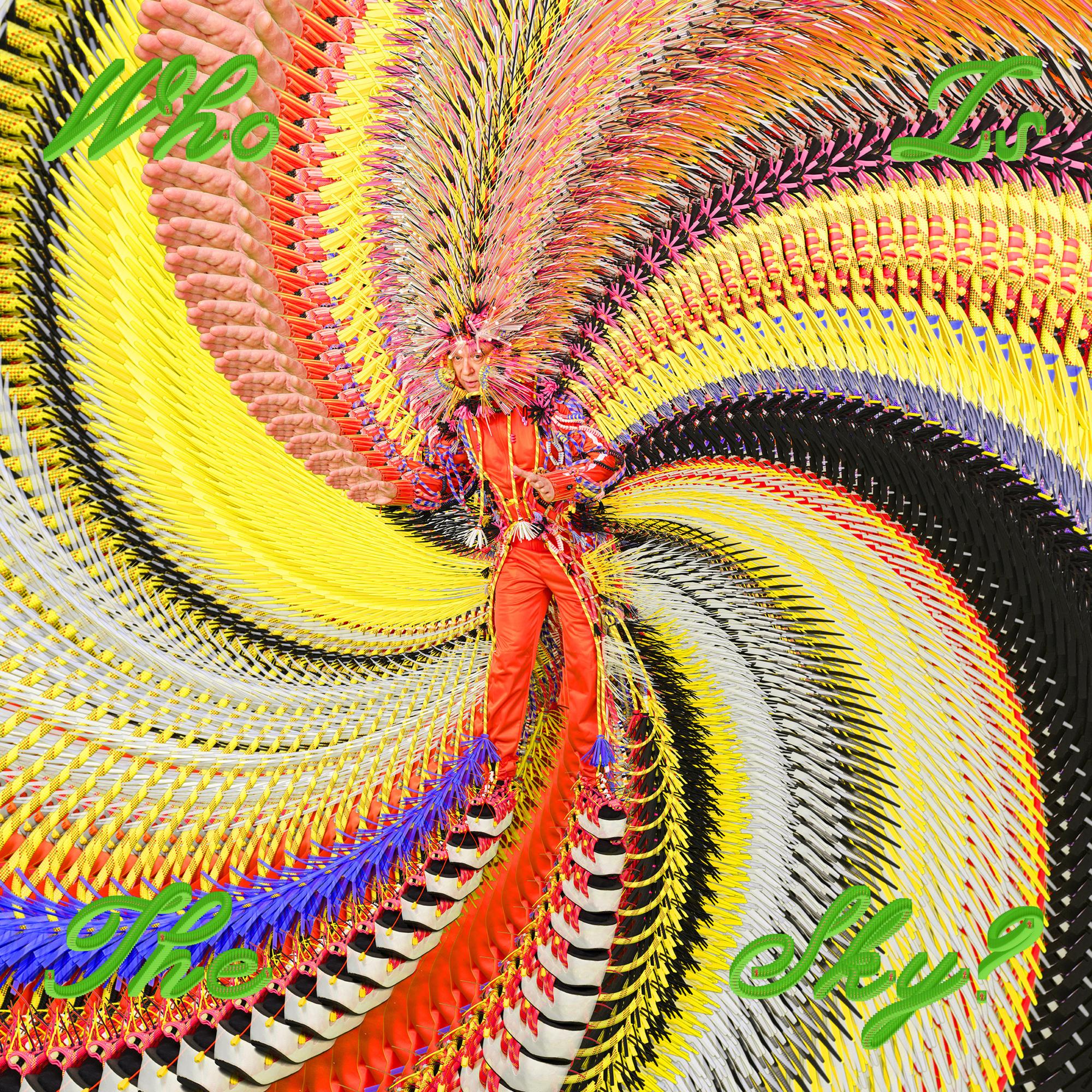
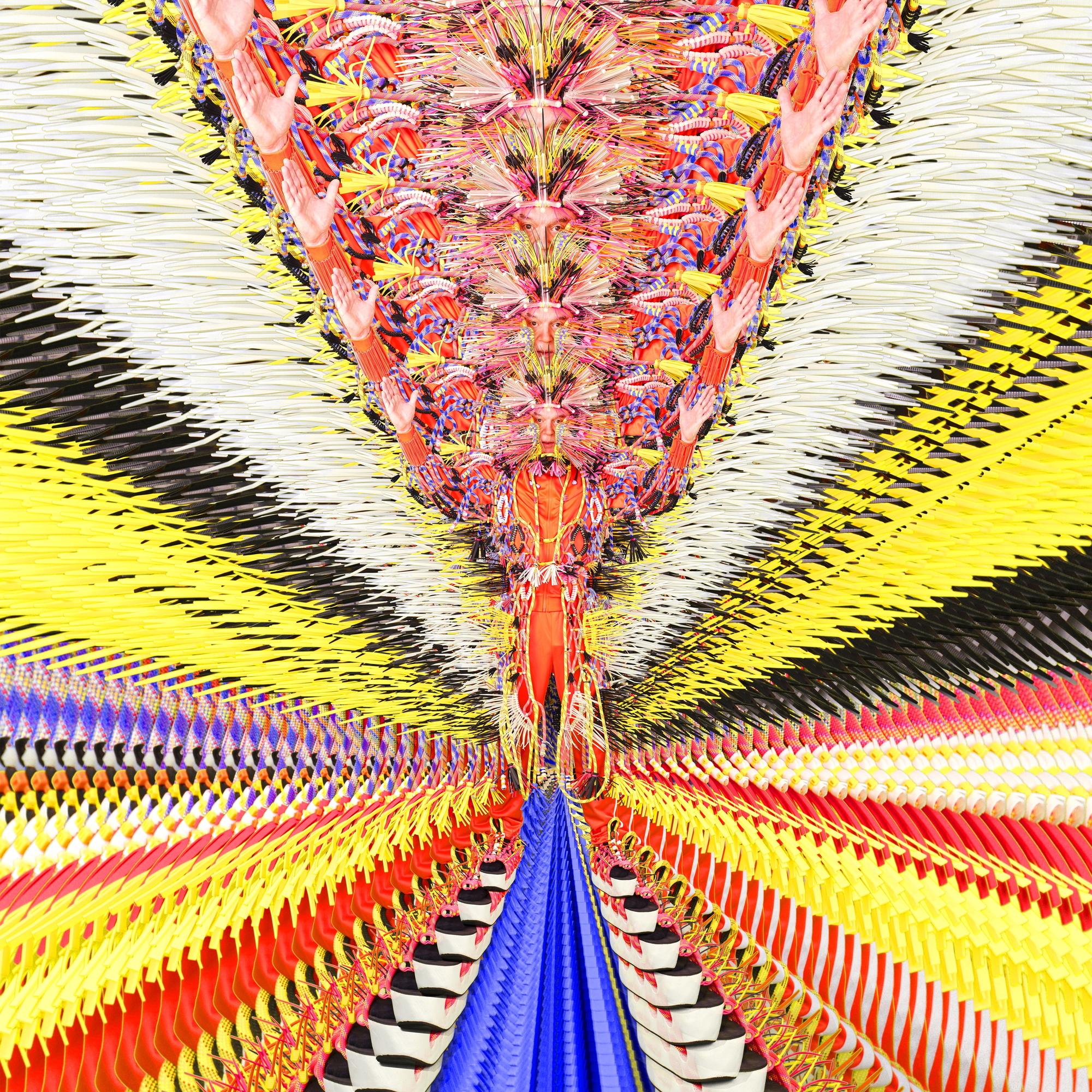
Who Is The Sky?
2025-09-05
What Is The Reason For It?
2025-09-03
The Avant Garde
2025-08-13
David Byrne个人资料
Born
May 14, 1952 Dumbarton, Dunbartonshire, Scotland
Citizenship
United Kingdom United StatesIreland
Occupations
Singer songwriter musician record producer music theorist visual artist actor writer filmmaker
Years active
1971–present
Origin
Arbutus, Maryland, U.S.
Genres
Rock new wave art-punk ost-punk art pop world beat electronic
Instruments
Vocals guitar keyboards
David Byrne (/bɜːrn/; born May 14, 1952) is an American musician, writer, visual artist, and filmmaker. He was a founding member, principal songwriter, lead singer, and guitarist of the American new wave band Talking Heads.
Byrne has released solo recordings and worked with various media including film, photography, opera, fiction, and non-fiction. He has received an Academy Award, a Grammy Award, a Special Tony Award, and a Golden Globe Award, and he is an inductee to the Rock and Roll Hall of Fame as part of Talking Heads.
Early life and education/h2> David Byrne was born on May 14, 1952 in Dumbarton, Dunbartonshire, Scotland,[2][3] the elder of two children born to Tom (from Lambhill, Glasgow) and Emma Byrne. Byrne's mother was Presbyterian and his father Catholic. Two years after his birth, the family moved to Canada, settling in Hamilton, Ontario. The family left Scotland in part because there were few jobs requiring his father's engineering skills and in part because of the tensions in the extended family caused by his parents' interfaith marriage. When Byrne was eight or nine years old they moved to Arbutus, Maryland, in the United States, where his father worked as an electronics engineer at Westinghouse Electric Corporation and his mother later became a teacher.[4][5] Byrne stated that he initially grew up speaking with a Scottish accent but adopted an American one in order to fit in at school. He later recalled "I felt like a bit of an outsider. But then I realized the world was made up of people who were all different. But we're all here."[6] Before high school, Byrne already knew how to play the guitar, accordion, and violin. He was rejected from his middle school's choir because they said he was "off-key and too withdrawn". From a young age, he had a strong interest in music. His parents say that he would constantly play his phonograph from age three and he learned how to play the harmonica at age five.[7] His father used his electrical engineering skills to modify a reel-to-reel tape recorder so that Byrne could make multitrack recordings.[5] Byrne graduated from Lansdowne High School in southwest Baltimore County, Maryland. He attended the Rhode Island School of Design (RISD) in Providence, Rhode Island, during the 1970–71 term and the Maryland Institute College of Art in Baltimore during the 1971–72 term before dropping out. <h2>Career
Early career: 1971–1974
He started his musical career in a high school band called Revelation. Between 1971 and 1972, he was one half of a duo named Bizadi with Marc Kehoe. Their repertoire consisted mostly of songs such as "April Showers", "96 Tears", "Dancing on the Ceiling" and Frank Sinatra songs. He returned to Providence in 1973 and formed a band called the Artistics with fellow RISD student Chris Frantz.[8] The band dissolved in 1974. Byrne moved to New York City in May that year, and in September of that year, Frantz and his girlfriend Tina Weymouth followed suit. After Byrne and Frantz were unable to find a bass guitar player in New York for nearly two years, Weymouth learned to play the instrument.[9] While working day jobs in late 1974, they were contemplating a band.[citation needed]
Talking Heads: 1975–1991
By January 1975, Talking Heads were practicing and playing together, while still working normal day jobs. They played their first gig in June.[10][11]
In May 1976, Byrne quit his day job, and the three-piece band signed to Sire Records in November of that year. Byrne was the youngest member of the band. Multi-instrumentalist Jerry Harrison, previously of The Modern Lovers, joined the band in 1977. The band released eight studio albums to critical acclaim and commercial success. Four albums achieved gold status (exceeding 500,000 in sales) and two others were certified double-platinum (exceeding two million in sales). Talking Heads were pioneers of the new wave music scene in the late 1970s and early 1980s with popular and creative music videos in regular rotation on MTV.
In 1988 the band quietly went on hiatus during which Byrne launched a solo career and the other members pursued their own projects. Talking Heads reunited in 1991 to record the single "Sax and Violins" and officially split in December 1991.
In 2002, Talking Heads was inducted into the Rock and Roll Hall of Fame, where they reunited to play three tracks: "Psycho Killer", "Burning Down the House" and Life During Wartime.[12]
Solo album career: 1979–1981, 1989–present
During his time in the band, David Byrne took on outside projects, collaborating with Brian Eno during 1979 and 1981 on the album My Life in the Bush of Ghosts, which attracted acclaim for its early use of sampling and found sounds. Following this record, Byrne focused his attention on Talking Heads. My Life in the Bush of Ghosts was re-released for its 25th anniversary in early 2006, with new bonus tracks. In keeping with the spirit of the original album, stems for two of the songs' component tracks were released under Creative Commons licenses and a remix contest website was launched.
Rei Momo (1989) was the first solo album by Byrne after leaving Talking Heads, and features mainly Afro-Cuban, Afro-Hispanic, and Brazilian song styles, including popular dances such as merengue, son cubano, samba, mambo, cumbia, cha-cha-chá, bomba and charanga. His third solo album, Uh-Oh (1992), featured a brass section and was driven by tracks such as "Girls on My Mind" and "The Cowboy Mambo (Hey Lookit Me Now)". His fourth solo album, David Byrne (1994), was a more proper rock record, with Byrne playing most of the instruments, leaving percussion for session musicians. "Angels" and "Back in the Box" were the two main singles released from the album. The first one entered the US Modern Rock Tracks chart, reaching No. 24. For his fifth studio effort, the emotional Feelings (1997), Byrne employed a brass orchestra called Black Cat Orchestra. His sixth, Look into the Eyeball (2001), continued the same musical exploration of Feelings, but was compiled of more upbeat tracks, like those found on Uh-Oh.
Grown Backwards (2004), released by Nonesuch Records, used orchestral string arrangements, and includes two operatic arias as well as a rework of X-Press 2 collaboration "Lazy". He also launched a North American and Australian tour with the Tosca Strings. This tour ended with Los Angeles, San Diego and New York shows in August 2005. He also collaborated with Selena on her 1995 album Dreaming of You with "God's Child (Baila Conmigo)".[13]
Byrne and Eno reunited for his eighth album Everything That Happens Will Happen Today (2008).[14] He assembled a band to tour worldwide for the album for a six-month period from late 2008 through early 2009 on the Songs of David Byrne and Brian Eno Tour.[15]
In 2012, he released a collaborative album with American singer-songwriter St. Vincent called Love This Giant. The album featured both Byrne and St. Vincent on vocals and guitar, backed by a brass section. To promote the album, both artists travelled throughout North America, Europe, and Australia on the Love This Giant Tour in 2012 and 2013, with each performing pieces from their career in the album's distinctive brass band style alongside those composed for the album.[16]
In January 2018, Byrne announced his first solo album in 14 years. American Utopia was released in March through Todo Mundo and Nonesuch Records. He also released the album's first single, "Everybody's Coming to My House", which he co-wrote with Eno.[17] The subsequent tour – which showcased songs from American Utopia alongside highlights from his Talking Heads and solo career to date – was described by NME as being perhaps "the most ambitious and impressive live show of all time", blurring the lines "between gig and theatre, poetry and dance".[18]
Work in theatre, film, and television: 1981–present
In 1981, Byrne partnered with choreographer Twyla Tharp, scoring music he wrote that appeared on his album The Catherine Wheel for a ballet with the same name, prominently featuring unusual rhythms and lyrics. Productions of The Catherine Wheel appeared on Broadway that same year.
He was chiefly responsible for the stage design and choreography of the concert film Stop Making Sense (1984).
Byrne wrote the Dirty Dozen Brass Band-inspired score Music for "The Knee Plays", released in 1985, for Robert Wilson's vast five-act opera The Civil Wars: A Tree Is Best Measured When It Is Down.
He wrote, directed, and starred in True Stories (1986), a musical collage of discordant Americana for which he also produced most of the film's music. He was impressed by the experimental theatre that he saw in New York City in the 1970s and collaborated with several of its best-known representatives. He worked with Robert Wilson on "The Knee Plays" and "The Forest", and invited Spalding Gray (of The Wooster Group) to act in True Stories, while Meredith Monk provided a portion of the film's soundtrack.
Byrne also provided a soundtrack for JoAnne Akalaitis' film Dead End Kids (1986), made after a Mabou Mines theatre production. Byrne's artistic outlook has a great deal in common with the work of these artists.[19] The same year he also added "Loco de Amor" with Celia Cruz to Jonathan Demme's film Something Wild (1986).
His work has been extensively used in film soundtracks, most notably in collaboration with Ryuichi Sakamoto and Cong Su on Bernardo Bertolucci's The Last Emperor (1987), which won an Academy Award for Best Original Score.
Some of the music from Byrne's orchestral album The Forest was originally used in a Robert Wilson–directed theatre piece titled The Forest. The play premiered at the Theater der Freien Volksbühne, Berlin, in 1988. It received its New York premiere in December 1988 at the Brooklyn Academy of Music (BAM). The Forestry Maxi-single contained dance and industrial remixes of pieces from The Forest by Jack Dangers, Rudy Tambala, and Anthony Capel. Byrne released his soundtrack album in 1991.
Byrne also directed the documentary Île Aiye (1989) and the concert film of his 1992 Latin-tinged tour titled Between the Teeth (1994).
In Spite of Wishing and Wanting is a soundscape Byrne produced in 1999 for Belgian choreographer Wim Vandekeybus's dance company Ultima Vez.
In 2003, Byrne guest starred as himself on a season 14 episode of The Simpsons. Released the same year, Lead Us Not into Temptation included tracks and musical experiments from his score to film Young Adam (2003).
In late 2005, Byrne and Fatboy Slim began work on Here Lies Love, a disco opera or song cycle about the life of Imelda Marcos, the controversial former First Lady of the Philippines. Some music from this piece was debuted at Adelaide Festival of Arts in Australia in February 2006 and the following year at Carnegie Hall on 3 February 2007.
In 2008, Byrne released Big Love: Hymnal – his soundtrack to season two of Big Love, which aired in 2007. These two albums constituted the first releases on his independent record label Todo Mundo. Byrne and Brian Eno provided the soundtrack for the film Wall Street: Money Never Sleeps (2010).
In 2015, he organized Contemporary Color, two arena concerts in Brooklyn and Toronto, for which he brought in ten musical acts who teamed up with ten color guard groups. The concerts were made into a 2016 documentary film, directed by the Ross brothers, and produced by Byrne.[21]
He collaborated with Stanford University professor Mala Gaonkar in 2016 to co-create NEUROSOCIETY, a guided immersive theater performance.[22]
In October 2019, his American Utopia opened at the Hudson Theatre on Broadway.[23][24] Byrne appeared in comedian John Mulaney's children's musical comedy special John Mulaney & the Sack Lunch Bunch (2019), where he performed the song "Pay Attention!" His song "Tiny Apocalypse" was also featured as the special's end credits song.[25]
On February 29, 2020, after a 30-year absence, Byrne performed as the musical guest on Saturday Night Live with John Mulaney as host. Byrne performed "Once in a Lifetime" and "Toe Jam" with the cast of the Broadway show American Utopia and appears in the "Airport Sushi" sketch singing a parody of "Road to Nowhere". This was Byrne's third appearance on Saturday Night Live. He previously served as the musical guest as part of Talking Heads in 1979, and as a solo musical guest in 1989.[26][27]
In 2022, Byrne again collaborated with Mala Gaonkar on another immersive theater production based on his life,[28] "Theater of the Mind"[29] transforming a 15,000 square-foot warehouse in Denver, Colorado.[30]
Other contributions: 1990–present
Byrne performing at Austin City Limits in September 2008
Byrne has contributed songs to five AIDS benefit compilation albums produced by the Red Hot Organization: Red Hot + Blue: A Tribute to Cole Porter, Red Hot + Rio, Silencio=Muerte: Red Hot + Latin, Onda Sonora: Red Hot + Lisbon, and Offbeat: A Red Hot Soundtrip. He appeared as a guest vocalist/guitarist for 10,000 Maniacs during their MTV Unplugged concert, though the songs in which he is featured were cut from the following album. One of them, "Let the Mystery Be", appeared as the fourth track on 10,000 Maniacs' CD single "Few and Far Between".
On March 24, 1992, he performed with Richard Thompson at St. Ann & The Holy Trinity in Brooklyn Heights, New York. The concert was recorded and released as An Acoustic Evening.[31] Byrne worked with Latin superstar Selena in March 1995; writing, producing and singing a bilingual duet titled "God's Child (Baila Conmigo)". This became the last song Selena recorded before she was murdered on March 31, 1995. The song was included on the singer's posthumous album Dreaming of You.
In 1997, Byrne was the host of Sessions at West 54th during its second of three seasons and collaborated with members of Devo and Morcheeba to record the album Feelings. In 2001, a version of Byrne's single "Like Humans Do", edited to remove its m*******a reference, was selected by Microsoft as the sample music for Windows XP to demonstrate Windows Media Player.[32][33]
In 2002, Byrne co-wrote and provided vocals for "Lazy" by the English house duo X-Press 2, which reached No. 2 in the United Kingdom and number one on the US Dance Chart.[34] Byrne released an orchestral version on his 2004 album Grown Backwards.[35]
In September 2004, Byrne co-authored a CD collection and performed with Gilberto Gil at a benefit concert promoting the Creative Commons license.[36] In 2006, his singing was featured on "The Heart's a Lonely Hunter" on The Cosmic Game by Thievery Corporation. In 2007, he provided a cover of the Fiery Furnaces' song "Ex-Guru" for a compilation to celebrate the 15th anniversary of the founding of Thrill Jockey, a Chicago-based record label.
In April 2008, Byrne took part in the Paul Simon retrospective concert series at BAM performing "You Can Call Me Al" and "I Know What I Know" from Simon's Graceland album.[37] Later that year, Byrne and his production team turned the Battery Maritime Building, a 99-year-old ferry terminal in Manhattan, into a playable musical instrument.[38] The structure was connected electronically to a pipe organ and made playable for a piece called "Playing the Building".[39] This project was previously installed in Stockholm in 2005,[40] and later at the London Roundhouse in 2009. Byrne says that the point of the project was to allow people to experience art first hand, by creating music with the organ, rather than simply looking at it.[41] Also in 2008, he collaborated with the Brighton Port Authority, composing the music and singing the lyrics for "Toe Jam".
Byrne is featured on the tracks "Money" and "The People Tree", on N.A.S.A.'s 2009 album The Spirit of Apollo. In 2009, he also appeared on HIV/AIDS charity album Dark Was the Night for Red Hot Organization. He collaborated with Dirty Projectors on the song "Knotty Pine". In the same year, Byrne performed at the Bonnaroo Music Festival in Manchester, Tennessee. He also was a signator of a letter protesting the decision of the Toronto International Film Festival to choose Tel Aviv as the subject of its inaugural City-to-City Spotlight strand.[42]
In May 2011, Byrne contributed backing vocals to the Arcade Fire track "Speaking in Tongues" which appeared on the deluxe edition of their 2010 album The Suburbs.[43]
Jherek Bischoff's 2012 album Composed features Byrne on the track "Eyes". The same year, he also released a show recorded with Caetano Veloso in 2004 at New York City's Carnegie Hall (Live at Carnegie Hall).
In March 2013, he debuted a fully staged production of his 2010 concept album Here Lies Love at New York's Public Theater, directed by Tony Award-nominee Alex Timbers following its premiere at MoCA earlier in the year. That same month, he and Sakamoto released a re-recording of their 1994 collaboration "Psychedelic Afternoon" to raise money and awareness for children impacted by the 2011 Tōhoku earthquake and tsunami.[44]
In May 2014, Byrne announced his involvement with Anna Calvi's EP, Strange Weather, collaborating with her on two songs: a cover of Keren Ann's "Strange Weather" and Connan Mockasin's "I'm the Man, That Will Find You".[45]
In August 2016, he was featured on "Snoopies" on the Kickstarter-funded album, And the Anonymous Nobody... by De La Soul.[46]
In 2022, he co-wrote and provided vocals on the song "This Is a Life" for the original soundtrack to the 2022 film Everything Everywhere All at Once, alongside the film's composers Son Lux and American singer Mitski.[47] Byrne performed the song with Son Lux at the 95th Academy Awards, with Stephanie Hsu providing vocals in place of Mitski.[48]
On July 20, 2023, the stage version of Here Lies Love made its Broadway debut.[49] In the leadup to the premiere, Broadway's musicians' union criticized the show for planning to use a pre-recorded soundtrack and no live musicians.[50] Local 802 of the American Federation of Musicians criticized this choice as "A direct attack on Broadway Audiences — and live music."[51] Statements from the creative team claiming that the decision was inspired by karaoke and that the show "does not believe in artistic gate-keepers [sic]"[52] attracted further criticism from union members, who accused Byrne of "denigrating" and "tossing aside" live musicians and likened his remarks to union busting.[53] Following this, the creative team for Here Lies Love announced that the show would employ twelve live musicians, including three actor-musicians.[54]
On June 2025, Byrne released a new single, "Everybody Laughs", and announced the album Who Is the Sky?, joined by Ghost Train Orchestra, set to be released that September, with the Who Is the Sky? Tour starting that same month.[55]
Other work
David Byrne co-founded the world-music record label Luaka Bop with Yale Evelev in 1990. It was originally created to release Latin American compilations, but it has grown to include music from Cuba, Africa, the Far East and beyond, releasing the work of artists such as Cornershop, Os Mutantes, Los De Abajo, Jim White, Zap Mama, Tom Zé, Los Amigos Invisibles, and King Changó.[56][57]
In 2005, he initiated his own internet radio station, Radio David Byrne.[58] Each month, Byrne posts a playlist of music he likes, linked by themes or genres. Byrne's playlists have included African popular music, country music classics, vox humana, classical opera and film scores from Italian movies.
He serves on the board of directors of SoundExchange, an organization designated by the United States Congress to collect and distribute digital performance royalties for sound recordings.[59]
In 2006, Byrne released Arboretum, a sketchbook facsimile of his Tree Drawings, published by McSweeney's. Byrne is a visual artist whose work has been shown in contemporary art galleries and museums around since the 1990s. Represented by the Pace/MacGill Gallery in New York. In 2010 his original artwork was in the exhibition The Record: Contemporary Art and Vinyl at the Nasher Museum of Art at Duke University
中文介绍
David Byrne作一位苏格兰和美国的音乐家艺术家,他活跃于1974 至今的西方乐坛。自从上世纪90年代起, 拜恩已经发行保留有他自己的独特演奏的音乐专辑,并且在多种媒介里进行创作,包括电影,摄影,歌剧和因特网。 他的成就已经被格莱美奖、奥斯卡奖和金球奖承认。
David Byrne(大卫·拜恩)于1952年5月14日出生在苏格兰敦巴顿,他是家里两个孩子中的老大。他的父亲是一位电子工程师。David Byrne在3岁时就常常捣腾家中的留声机,5岁时学会了吹口琴,在进入高中学习之前就已掌握如何演奏吉他、手风琴和小提琴。即使他早早就显露出其对音乐浓厚的兴趣,可他却被中学的合唱团拒之门外,后者给出的理由是说David Byrne “走调、性格太孤僻”。他在自己的日记中也写到“我是一个古怪的年轻人——阿斯伯格综合症的边缘,我猜。”还要说明的是David Byrne是个左撇子,却用右手弹奏吉他。[1]
David Byrne是前Talking Heads乐队的核心人物。上世纪七十年代早期,年仅18岁的大卫·拜恩只身从苏格兰远渡重洋来到美国留学,就读于罗德岛设计学院的他认识了克里斯·弗朗茨(乐团鼓手)及他的女朋友蒂娜·韦茅斯(亦即后来乐团的贝斯手),拜恩与包括弗朗茨在内的数名友人组成了“艺术学”(The Artistics)乐队,韦茅斯亦在团中帮忙。1974年,弗朗茨与韦茅斯从学校毕业,拜恩与他们两人为了更专注于创作音乐,决定迁往纽约市另组新团,此时弗朗茨正鼓励着他的女朋友学习贝斯,以成为真正的乐团成员及填补一直悬空的贝斯手位置。经过长时间排练后,乐队最终在1975年一月以“Talking Heads”之名成立,他们找到了CBGB酒吧(公认纽约朋克发源地),经过试音后,成功争取替当时还未冲出纽约的驻场乐队雷蒙斯作暖场,这也是传声头像乐团的首次公开演出。乐队共发行了8张录音室专辑,于1988年开始沉寂下来,1991年解散(2002年重聚)。[2]这支乐队是美国新浪潮音乐中最有影响力的乐队之一,他们与环境音乐大师Brian Eno(即布莱恩·伊诺,他后来因替U2乐团制作《约书亚树》而获得格莱美奖)合作的专辑《Fear of Music》和《Remain in light》,把非洲音乐节奏以及疯克音乐风格发挥得淋漓尽致,使乐队达到艺术顶峰。
在1979至1981年间与Brian Eno合作时,David Byrne个人还创作出了专辑《 My Life in the Bush of Ghosts》,并因制作中运用了早期模拟采样和Found Sounds而吸引来舆论的广泛好评。[1]
David Byrne个人也在世界音乐、电影制作和艺术表演等领域进行了不同的尝试。在为Robert Wilson的戏剧《内战》创作音乐并出版了一张影片音乐集《True Story》之后,1987年,Byrne与日本音乐人坂本龙一(Ryuichi Sakamoto)及我国作曲家苏聪合作,为Bernardo Bertolucci的影片《末代皇帝》(The Last Emperor)创作音乐,获得了1988年奥斯卡奖最佳影片音乐奖。
尽管Byrne总是热衷于研究来自巴西和非洲的“世界音乐”,但他从未放弃在流行音乐领域内的创作。