Black Sabbath热门歌曲下载
查看全部|
|
歌曲 | 专辑 | 时长 |
|---|---|---|---|
|
1
|
Paranoid
SQ
|
Iron Man: The Best of Black Sabbath |
02:48 |
|
2
|
Iron Man
SQ
|
Iron Man: The Best of Black Sabbath |
05:53 |
|
3
|
Paranoid
SQ
|
Paranoid |
02:52 |
|
4
|
Paranoid |
07:55 |
|
|
5
|
Lady Evil
SQ
|
Heaven & Hell |
04:22 |
|
6
|
Heaven & Hell |
06:57 |
|
|
7
|
NIB
SQ
|
Under Wheels of Confusion 1970-87 |
06:06 |
|
8
|
Iron Man: The Best of Black Sabbath |
06:16 |
|
|
9
|
God Is Dead?
SQ
|
God Is Dead? |
08:52 |
|
10
|
Paranoid |
04:29 |
Black Sabbath最新专辑下载
查看全部
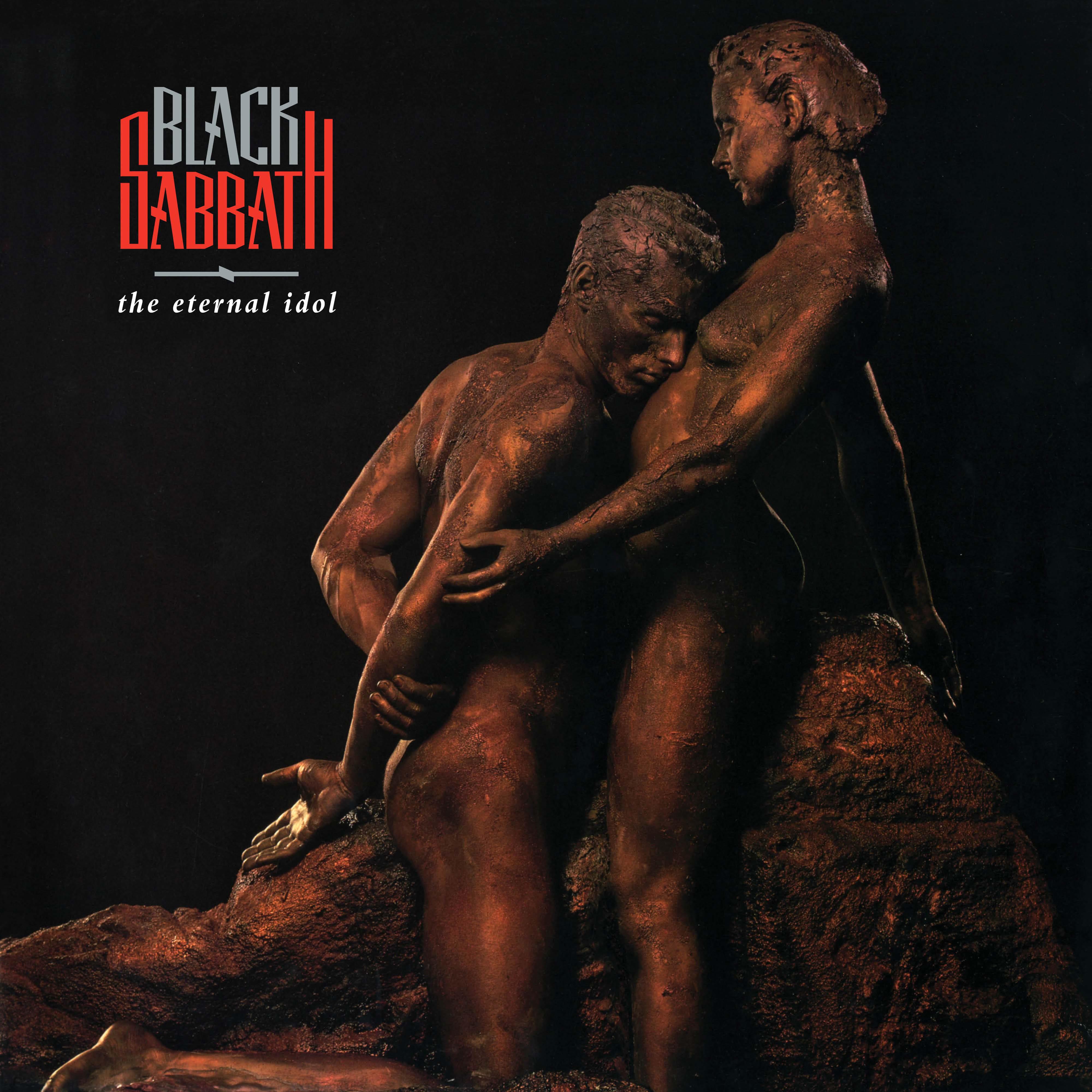
The Eternal Idol (2025 Remaster)
2025-07-25

Masters of Metal
2025-05-24
5ive of a Kind - War Pigs (Live)
2025-05-24
Black Sabbath个人资料
Origin
Birmingham, England
Genres
Heavy metal
Years active
1968–20062011–2017[a]2025
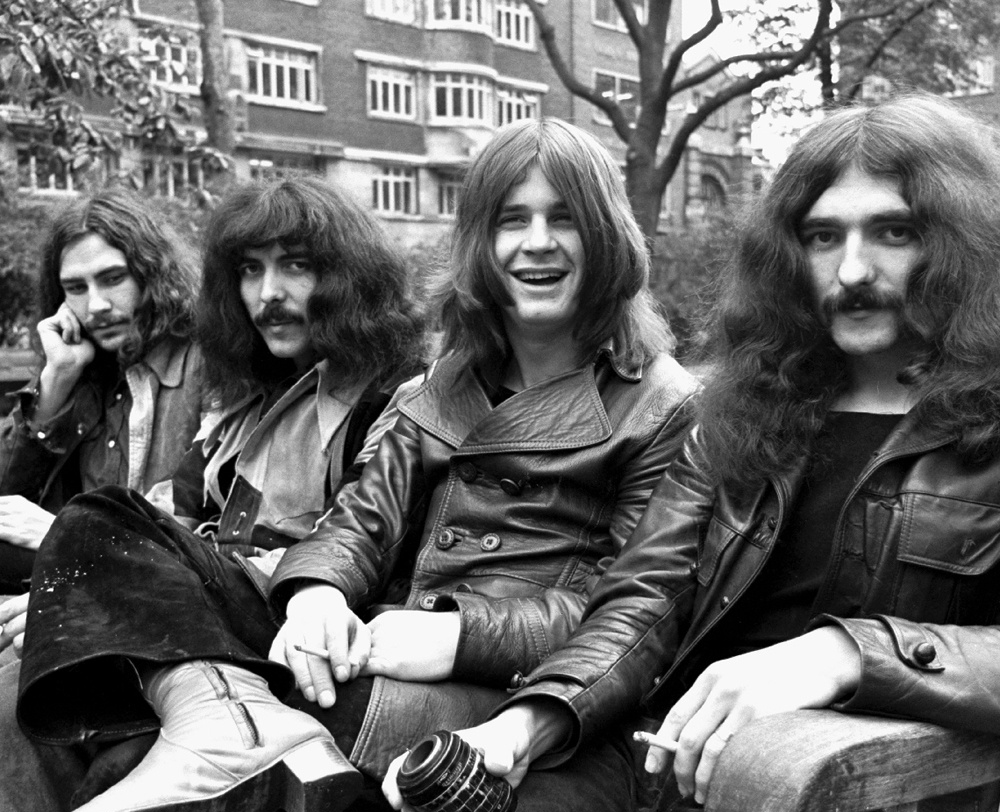
Black Sabbath are an English rock band formed in Birmingham in 1968 by guitarist Tony Iommi, drummer Bill Ward, bassist Geezer Butler, and vocalist Ozzy Osbourne. They are often cited as pioneers of heavy metal music.[1] The band helped define the genre with their first three albums Black Sabbath, Paranoid (both 1970), and Master of Reality (1971). Throughout the 1980s and 1990s, the band underwent multiple line-up changes, with Iommi being the only constant member throughout its history, though since 1997 it has settled with the original band (except for Ward on occasions).
After previous iterations of the group – the Polka Tulk Blues Band, and Earth – the band settled on the name Black Sabbath in 1969. They distinguished themselves through occult themes with horror-inspired lyrics and down-tuned guitars. Signing to Philips Records in November 1969, they released their first single, a cover of the Crow song "Evil Woman", in January 1970, and their debut album, Black Sabbath, was released the following month. Though it received a negative critical response, the album was a commercial success, leading to a follow-up record, Paranoid, later that year. The band's popularity grew, and by 1973's Sabbath Bloody Sabbath, critics were starting to respond favourably. This album, along with its predecessor Vol. 4 (1972) and its successors Sabotage (1975), Technical Ecstasy (1976) and Never Say Die! (1978), saw the band explore more experimental and progressive styles.
The line-up of Black Sabbath remained unchanged until late 1977, when Osbourne was briefly replaced by Dave Walker. After rejoining the band for the recording of Never Say Die! and its tour to support the album, Osbourne was dismissed from Black Sabbath a second time in 1979 due to his substance abuse. He was replaced by former Rainbow vocalist Ronnie James Dio, who recorded three albums with the band: Heaven and Hell (1980), Mob Rules (1981) and their first authorised live album Live Evil (1983), the last two featuring drummer Vinny Appice replacing Ward. Keyboardist Geoff Nicholls would also be a major contributor to Black Sabbath throughout the 1980s and 1990s. Following Dio and Appice's departures, Iommi, Butler and Nicholls recorded Born Again (1983) with then-former Deep Purple vocalist Ian Gillan and Ward returning on drums, while the latter was replaced by then-Electric Light Orchestra drummer Bev Bevan on the subsequent tour. Black Sabbath split in 1984, with Iommi and Nicholls assembling a new version of the band the following year. For the next twelve years, the band endured many personnel changes that included vocalists Glenn Hughes (who appeared on 1986's Seventh Star),[3] Ray Gillen and Tony Martin, as well as several drummers (including Cozy Powell and Bobby Rondinelli) and bassists; of the vocalists during these years, Martin's tenure was the longest, joining the band in 1987 and recording three studio albums before his initial departure in 1991: The Eternal Idol (1987),[4] Headless Cross (1989),[5] and Tyr (1990).[6] That same year, Iommi and Nicholls reunited with Butler, Dio and Appice to record Dehumanizer (1992), though Dio and Appice had both departed again by the end of 1992. Martin returned as vocalist for two more studio albums, Cross Purposes (1994)[7] and Forbidden (1995),[8] and one live album before the band went on a one-year hiatus during 1996.
The original line-up of Iommi, Osbourne, Butler and Ward reunited in 1997, releasing a live album, Reunion, in the following year, and continuing to tour sporadically until 2005, most of which saw Black Sabbath headline Osbourne's annual festival tour Ozzfest. The band went on another hiatus in 2006 when the Mob Rules line-up reunited as Heaven & Hell, touring during the late 2000s and releasing its sole studio album, The Devil You Know, in 2009 before disbanding after Dio's death in the following year. The original line-up of Black Sabbath reunited once again in 2011, though Ward departed prior to the recording of their final studio album and 19th overall, 13 (2013). To conclude their farewell tour, Black Sabbath played its last concert for eight years in their home city on 4 February 2017.[9][10] Occasional partial reunions had occurred since, most notably when Osbourne and Iommi performed together at the closing ceremony of the 2022 Commonwealth Games in Birmingham.[11] The original line-up of Black Sabbath will reunite for what is planned to be a final show for both the band and Osbourne as a solo musician, titled Back to the Beginning, at Villa Park on 5 July 2025.[12]
Black Sabbath have sold over 70 million records worldwide as of 2013, making them one of the most commercially successful heavy metal bands. Black Sabbath, together with Deep Purple and Led Zeppelin, have been referred to as the "unholy trinity of British hard rock and heavy metal in the early to mid-seventies".[13] They were ranked by MTV as the "Greatest Metal Band of All Time" and placed second on VH1's "100 Greatest Artists of Hard Rock" list. Rolling Stone magazine ranked them number 85 on its "100 Greatest Artists of All Time" list. Black Sabbath were inducted into the UK Music Hall of Fame in 2005 and the Rock and Roll Hall of Fame in 2006. They have also won two Grammy Awards for Best Metal Performance, and in 2019, the band received a Grammy Lifetime Achievement Award
Musical style
Black Sabbath are a heavy metal band.[242] The band have also been cited as a key influence on genres including stoner rock,[243] grunge,[244] doom metal,[245] and sludge metal.[246] Early on, Black Sabbath were influenced by Cream, The Beatles, Fleetwood Mac, Jimi Hendrix, John Mayall & the Bluesbreakers, Blue Cheer, Led Zeppelin, Jethro Tull, and Iron Butterfly.[247][248]
Although Black Sabbath went through many line-ups and stylistic changes, their core sound focuses on ominous lyrics and doomy music,[34] often making use of the musical tritone, also called the "devil's interval".[33] While their Ozzy-era albums such as Sabbath Bloody Sabbath (1973) had slight compositional similarities to the progressive rock genre that was growing in popularity at the time,[249] standing in stark contrast to popular music of the early 1970s, Black Sabbath's dark sound was dismissed by rock critics of the era.[75] Much like many of their early heavy metal contemporaries, the band received virtually no airplay on rock radio.[250]
As the band's primary songwriter, Tony Iommi wrote the majority of Black Sabbath's music, while Osbourne would write vocal melodies, and bassist Geezer Butler would write lyrics. The process was sometimes frustrating for Iommi, who often felt pressured to come up with new material: "If I didn't come up with anything, nobody would do anything."[65] On Iommi's influence, Osbourne later said:
Black Sabbath never used to write a structured song. There'd be a long intro that would go into a jazz piece, then go all folky... and it worked. Tony Iommi—and I have said this a zillion times—should be up there with the greats. He can pick up a guitar, play a riff, and you say, "He's gotta be out now, he can't top that." Then you come back, and I bet you a billion dollars, he'd come up with a riff that'd knock your ****ing socks off.[251]
Beginning with their third album, Master of Reality (1971), Black Sabbath began to feature tuned-down guitars.[75] In 1965, before forming Black Sabbath, guitarist Tony Iommi suffered an accident while working in a sheet metal factory, losing the tips of two fingers on his right hand. Iommi almost gave up music, but was urged by the factory manager to listen to Django Reinhardt, a jazz guitarist who lost the use of two fingers in a fire.[252] Inspired by Reinhardt, Iommi created two thimbles made of plastic and leather to cap off his missing fingertips. The guitarist began using lighter strings, and detuning his guitar, to better grip the strings with his prosthesis. Early in the band's history Iommi experimented with different dropped tunings, including C♯ tuning, or 3 semitones down, before settling on E♭/D♯ tuning, or a half-step down from standard tuning
Legacy
Black Sabbath has sold over 70 million records worldwide,[254] including a RIAA-certified 15 million in the U.S.[45] They are one of the most influential heavy metal bands of all time. The band helped to create the genre with ground-breaking releases such as Paranoid (1970), an album that Rolling Stone magazine said "changed music forever",[255] and called the band "the Beatles of heavy metal".[256] Time magazine called Paranoid "the birthplace of heavy metal", placing it in their Top 100 Albums of All Time.[257]
MTV placed Black Sabbath at number one on their Top Ten Heavy Metal Bands and VH1 placed them at number two on their list of the 100 Greatest Artists of Hard Rock.[258][259] VH1 ranked Black Sabbath's "Iron Man" the number one song on their 40 Greatest Metal Songs countdown.[260] Rolling Stone magazine ranked the band number 85 in their list of the "100 Greatest Artists of All Time".[256] AllMusic's William Ruhlmann said:
Black Sabbath has been so influential in the development of heavy metal rock music as to be a defining force in the style. The group took the blues-rock sound of late '60s acts like Cream, Blue Cheer, and Vanilla Fudge to its logical conclusion, slowing the tempo, accentuating the bass, and emphasising screaming guitar solos and howled vocals full of lyrics expressing mental anguish and macabre fantasies. If their predecessors clearly came out of an electrified blues tradition, Black Sabbath took that tradition in a new direction, and in so doing helped give birth to a musical style that continued to attract millions of fans decades later.[75]
According to Rolling Stone's Holly George-Warren, "Black Sabbath was the heavy metal king of the 1970s."[261] Although initially "despised by rock critics and ignored by radio programmers", the group sold more than 8 million albums by the end of that decade.[261] "The heavy metal band…" marvelled Ronnie James Dio. "A band that didn't apologise for coming to town; it just stepped on buildings when it came to town
基本信息
诞生于1969年伯明翰的乐队是由贝司手GEEZER BUTLER,吉他手TONY IOMMI,鼓手BILL WARD,歌手Ozzy Osbourne组成。
发展历程
1969年——1979年初:
Ozzy Osbourne为SABBATH的主唱,不过从其网站了解到实际上1977年10月到78年1月这一段时期OZZY因为个人问题离开了乐队,这一段时间内Never Say Die专集的准备暂由前FLEETWOOD MAC乐队的成员Dave Walker代替,可惜的是Dave在时仅参加过1978年1月BBC Midlands的“Look Here!”节目,并没有留下太多痕迹。78年OZZY返回乐队录制这张Never Say Die但很可惜由于太多私人的原因,这张专集中已经少有OZZY的声音,大多数都是由鼓手Bill Ward演唱。这张专集拖延了很长时间才完成,79年初在Dio来之前的一些日子里,OZZY终被“解雇”了。
1979年3月——1982年10月:
Ronnie James Dio为SABBATH的主唱,乐队的风格多少因为主唱的原因发生了改变,Dio的风格与OZZY不同,但从某种角度上演绎了另外一支优秀的SABBATH乐队,依旧有众多的乐迷支持这SABBATH。在此期间乐队是非也是连绵不断,从一开始OZZY的离开,到贝司手的往返,前QUARTZ乐队的Geoff Nicholls从贝司到键盘的更换,鼓手Bill暂时离去,还有其中一些说不清的问题。但是乐队在这期间还是有新作品发行,Dio在期间曾发行过"Heaven and Hell","Mob Rules","Live Evil"都仍旧属于经典的专集。
1982年——1997年3月:
在这漫长的十五年里SABBATH乐队的成员聚聚散散,重金属乐队的猛烈增长,各种金属流派的出现,使大多数的重金属乐迷渐渐将注意力转移到新的乐队,新的音乐风格中去,但无论任何人提起SABBATH的时候都会以其前几张专集赞叹崇拜不已,已经很少有人会关心SABBATH的后来,在这些年中他们的变化与成长。
风格
在这漫长的十年里乐队不仅仅是风格的变化,最重要的是川流不息的成员更换,MOLD一直以为SABBATH乐队只有三位主唱,就是OZZY、Dio和Martin但直到浏览了他们的网站之后,才发现DEEP PURPLE的Ian Gillan曾在Born Again中担任主唱,这张专集从血腥奸邪恐怖的婴儿封面到作品的阴邪气质都证明了其可听性。84年的春天Ian Gillan离开了SABBATH返回自己的世界重组DEEP PURPLE,SABBATH随即又招来了其他人,从84年到87年的3月左右,乐队简直可以说是乱七八糟,乐手因为各种原因离开,乐队进入冷冻时期,即使是老IOMMI的召唤也看似无济于事,即使在这期间发行过几张专集,MOLD也没有听过,真有被人将要淡忘的迹象。87年的3月在仍旧没有贝司手的情况下,Tony Martin成为乐队的新主唱,基本上到OZZY的重返期间,均由Martin担任这个位置,这期间乐队的风格几乎曾游走型,你几乎无法再寻找出色的专集出来,乐队成员如果没有达成默契,即使是IOMMI也无能为力。
97年3月——:
OZZY又一次回到乐队中,乐队又恢复了往昔的阵容,98年发行了一张象征重组的专集"Reunion"中又一次品味了SABBATH的经典之作。时至今日,SABBATH是否仍旧存在已经显得不是那么重要了,他们留给众人的已经被铭记于心,而他们的历程不管是光彩夺目还是暗淡无光都会因为他们持久的毅力而令每一个人敬佩不已。
在SABBATH这支乐队里,最令MOLD欣赏的人莫过于Tony Iommi,热爱这种音乐的真实体现,就是用你的心去倾听,用你的一生去投入,Iommi从未停止过脚步,这种音乐就是他的生命,也始终属于他。
最后MOLD将SABBATH网站一个关于乐队乐手更换的数目列于此你便知晓这三十年的变化是如何纷乱与频繁的了。
2006年,Black Sabbath 入选一年一度的美国摇滚名人堂