Yes热门歌曲下载
查看全部|
|
歌曲 | 专辑 | 时长 |
|---|---|---|---|
|
1
|
Yesstory |
08:30 |
|
|
2
|
Close to the Edge |
18:38 |
|
|
3
|
Yes |
02:52 |
|
|
4
|
Fly From Here |
06:41 |
|
|
5
|
03:29 |
||
|
6
|
High Vibration |
02:53 |
|
|
7
|
Close to the Edge |
08:55 |
|
|
8
|
Fragile |
08:35 |
|
|
9
|
Close to the Edge |
10:08 |
|
|
10
|
Fragile |
11:32 |
Yes最新专辑下载
查看全部
Turnaround Situation
2026-05-20
From A Page
2026-04-24
Close to the Edge (Super Deluxe Edition)
1972-09-08
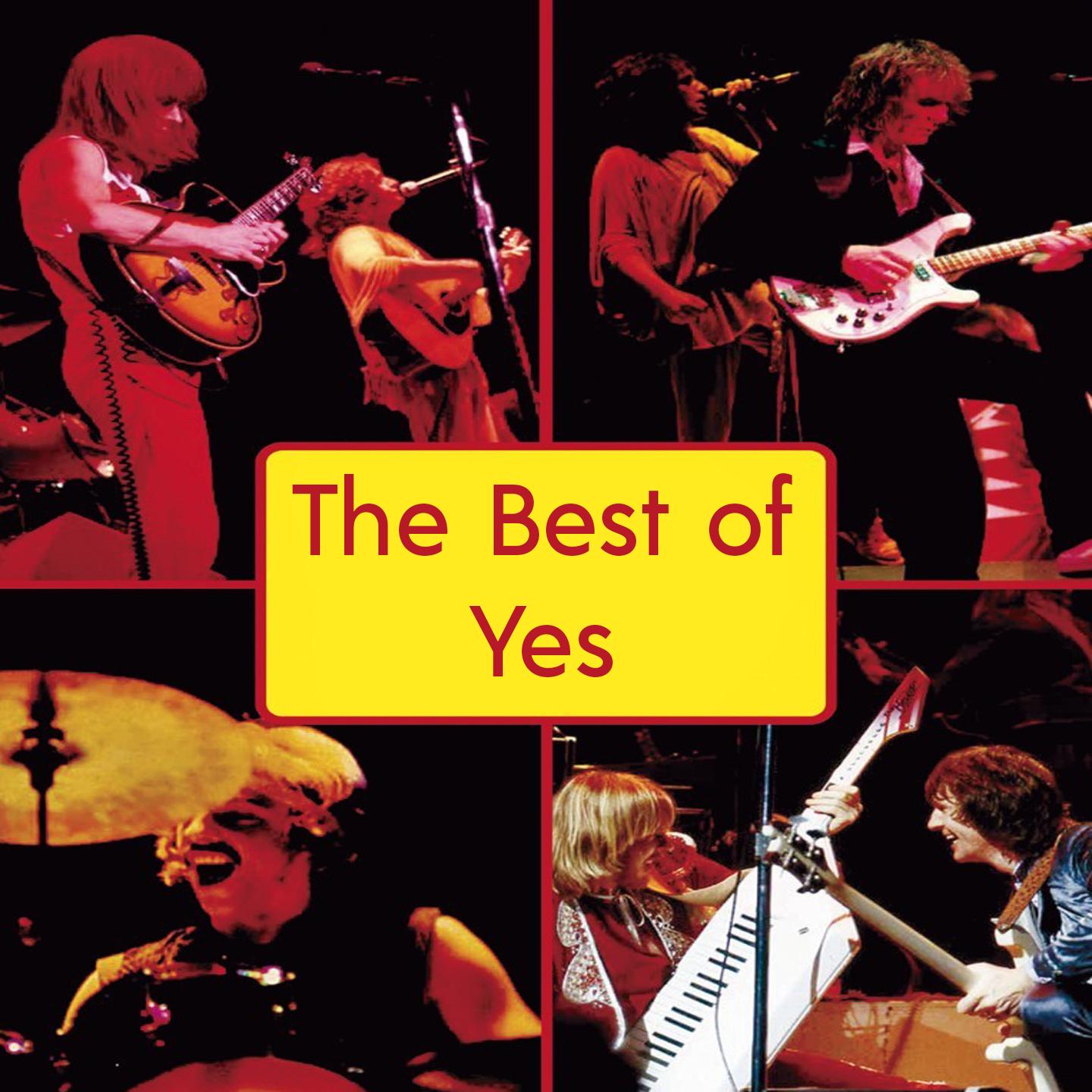
The Best of Yes
1973-05-18
Yes: The Collection
1973-05-18
Fragile (Super Deluxe)
1971-11-12

Owner of a Lonely Heart (Back2Back Remix)
2024-03-08
Yes Hits
1973-12-07
Yes个人资料
Origin
London, England
Genres
Progressive rock art rock symphonic rock pop rock
Years active
1968–1981 1983–2004 2009–present
Yes are an English progressive rock band formed in London in 1968. Comprising 20 full-time musicians over their career, their most notable members include lead singer Jon Anderson, bassist Chris Squire, guitarists Steve Howe and Trevor Rabin, drummers Bill Bruford and Alan White, and keyboardists Tony Kaye and Rick Wakeman. The band have explored several musical styles and are often regarded as progressive rock pioneers. Since February 2023, the band's line-up consists of Howe, keyboardist Geoff Downes, bassist Billy Sherwood, singer Jon Davison, and drummer Jay Schellen.
Founded by Anderson, Squire, Bruford, Kaye, and guitarist Peter Banks, Yes began performing a mix of original songs and covers of rock, pop, blues, and jazz songs, as showcased on their first two albums, Yes (1969) and Time and a Word (1970). A change of direction in 1970 after the replacement of Banks with Howe led to a series of successful progressive rock albums, with four consecutive US platinum or multi-platinum sellers: The Yes Album (1971); Fragile (1971), which included the successful single "Roundabout"; Close to the Edge (1972); and the live album Yessongs (1973). Further albums Tales from Topographic Oceans (1973), Relayer (1974), Going for the One (1977), and Tormato (1978) were also commercially successful. Yes earned a reputation for their elaborate stage sets, light displays, and album covers designed by Roger Dean. During this time, Kaye and Bruford were replaced by Wakeman and White respectively, while keyboardist Patrick Moraz joined for Relayer and its subsequent tour. In 1980, growing musical differences led to Anderson and Wakeman's departures; Yes recruited Downes and singer Trevor Horn for the album Drama (1980) before disbanding in 1981.
In 1983, Squire, White, Anderson, and Kaye reformed Yes with Rabin joining. Rabin's songwriting moved the band toward a more pop-oriented sound, which resulted in their highest-selling album 90125 (1983) featuring the band's only US number-one single, "Owner of a Lonely Heart", and the successful follow-up album Big Generator (1987). In 1989, the offshoot group Anderson Bruford Wakeman Howe formed and released a self-titled album. At the suggestion of the record company, the groups merged into a short-lived eight-piece line-up for Union (1991) and its tour. Yes regularly released studio albums from 1994 to 2001 with varying levels of success, beginning a second hiatus in 2004. After a 2008 world tour was cancelled, Yes enlisted Benoît David as the new lead singer, then Davison in 2012. Squire died in 2015, leaving the band with no original members. White, the longest-tenured member at that point, died in 2022. Former members Anderson, Rabin, and Wakeman toured from 2016 to 2018. Yes' upcoming studio album, Aurora, is set to be released on 12 June 2026.
Yes are one of the most successful, influential, and longest-lasting progressive rock bands. Their discography spans 23 studio albums, with 13.5 million Recording Industry Association of America (RIAA)-certified albums sold in the US[1] and more than 30 million worldwide.[2] In 1985, they won a Grammy Award for Best Rock Instrumental Performance with "Cinema". In April 2017, Yes—represented by Anderson, Bruford, Kaye, Howe, Wakeman, White, and Rabin, with Squire honored posthumously—were inducted into the Rock and Roll Hall of Fame.
History
1968–1970: Formation, first album and Time and a Word
In late 1967, bassist Chris Squire and guitarist Peter Banks, both formerly of the Syn, joined the psychedelic rock band Mabel Greer's Toyshop, which had been formed in 1966 by Clive Bayley and Robert Hagger.[3][4] They played at the Marquee Club in Soho, London where Jack Barrie, owner of the nearby La Chasse club, saw them perform.[5] He later recalled: "the musicianship was very good but it was obvious they weren't going anywhere".[5] Barrie introduced Squire to singer Jon Anderson, a worker at the bar in La Chasse, who found they shared interests in Simon & Garfunkel and harmony singing. That evening they wrote "Sweetness", which was included on the first Yes album, and Anderson joined as lead vocalist.[6] During this time, the band rehearsed in the basement of The Lucky Horseshoe cafe on Shaftesbury Avenue between 10 June and 9 July 1968.[7][8][9] In June 1968, Hagger was replaced by Bill Bruford, who had placed an advertisement in Melody Maker,[10][11] while in July the classically trained organist and pianist Tony Kaye, of Johnny Taylor's Star Combo and the Federals, became the keyboardist.[12] Meanwhile, Banks had left Mabel Greer's Toyshop to join Neat Change, but he was dismissed by this group on 14 July 1968[10] and was recalled by Squire, replacing Bayley as guitarist.
Having considered the experience of Mabel Greer's Toyshop concluded, the group exchanged ideas for a new name. Sources disagree on the origin of the name, but generally attribute it to Banks.[13][14][10] According to the Financial Times, Anderson suggested "Life" and Squire thought of "World"; Banks said simply, "Yes", and that was how the band was named.[13] Welch states that Squire suggested the name over a phone call to Banks, with Banks replying, "But that was my idea!"[10] According to Banks, it was initially used as a temporary name, but "nobody has thought of anything better yet."[10]
After rehearsals between 31 July and 2 August, the first gig as Yes followed at a youth camp in East Mersea, Essex on 3 August.[15][16] Early sets were formed of cover songs from artists such as the Beatles, The 5th Dimension and Traffic.[17] On 16 September, Yes performed at Blaise's club in London as a substitute for Sly and the Family Stone, who had failed to turn up. They were well received by the audience, including the host Roy Flynn, who became the band's manager that night.[18] That month, Bruford decided to quit performing to study at the University of Leeds.[19] His replacement, Tony O'Reilly of the Koobas, struggled to perform with the rest of the group on stage and former Warriors and future King Crimson drummer Ian Wallace subbed for one gig on 5 November 1968.[19] After Bruford was refused a year's sabbatical leave from Leeds, Anderson and Squire convinced him to return for Yes's supporting slot for Cream's farewell concert at the Royal Albert Hall on 26 November.[19]
After seeing an early King Crimson gig in 1969, Yes realised that there was suddenly stiff competition on the London gigging circuit, and they needed to be much more technically proficient, starting regular rehearsals.[20] They subsequently signed a deal with Atlantic Records, and, that August, released their debut album Yes.[21] Compiled of mostly original material, the record includes renditions of "Every Little Thing" by the Beatles and "I See You" by The Byrds. Although the album failed to break into the UK album charts, Rolling Stone critic Lester Bangs complimented the album's "sense of style, taste and subtlety".[22] Melody Maker columnist Tony Wilson chose Yes and Led Zeppelin as the two bands "most likely to succeed".[23]
Following a tour of Scandinavia with Faces, Yes performed a solo concert at the Queen Elizabeth Hall on 21 March 1970. The second half consisted of excerpts from their second album Time and a Word, accompanied by a 20-piece youth orchestra.[24] Banks left the group on 18 April 1970, just three months before the album's release. Having expressed dissatisfaction with the idea of recording with an orchestra as well as the sacking of Flynn earlier in the year, Banks later indicated that he was fired by Anderson and Squire, and that Kaye and Bruford had no prior knowledge that it would be happening.[20] Similar to the first album, Time and a Word features original songs and two new covers–"Everydays" by Buffalo Springfield and "No Opportunity Necessary, No Experience Needed" by Richie Havens. The album broke into the UK charts, peaking at number 45.[26] Banks' replacement was Tomorrow guitarist Steve Howe, who appears in the photograph of the group on the American issue despite not having played on it.[27]
1970–1974: The Yes Album, Fragile, Close to the Edge and Tales from Topographic Oceans
The band retreated to a rented farmhouse in Devon to write and rehearse new songs for their following album.[28] Howe established himself as an integral part of the group's sound with his Gibson ES-175 and variety of acoustic guitars. With producer and engineer Eddy Offord, recording sessions lasted as long as 12 hours with each track being assembled from small sections at a time, which were pieced together to form a complete track. The band would then learn to play the song through after the final mix was complete.[29] Released in February 1971, The Yes Album peaked at number 4 in the UK[26] and number 40 on the US Billboard 200 charts.[30]
Yes embarked on a 28-day tour of Europe with Iron Butterfly in January 1971.[31] The band purchased Iron Butterfly's entire public address system, which improved their on-stage performance and sound.[32] Their first date in North America followed on 24 June in Edmonton, Alberta, Canada, supporting Jethro Tull.[33] Friction arose between Howe and Kaye on tour;[34] this, along with Kaye's reported reluctance to play the Mellotron and the Minimoog synthesizer, preferring to stick exclusively to piano and Hammond organ,[35] led to the keyboardist being fired from the band in the summer of 1971. Anderson recalled in a 2019 interview: "Steve and Chris came over and said, 'Look, Tony Kaye... great guy.' But, you know, we'd just seen Rick Wakeman about a month earlier. And I said, 'There's that Rick Wakeman guy,' and we've got to get on with life and move on, you know, rather than keep going on, set in the same circle. And that's what happens with a band."[36] Wakeman, a classically trained player who had left the folk rock group Strawbs earlier in the year, was already a noted studio musician, with credits including T. Rex, David Bowie, Cat Stevens and Elton John. Squire commented that he could play "a grand piano for three bars, a Mellotron for two bars and a Moog for the next one absolutely spot on",[37] which gave Yes the orchestral and choral textures that befitted their new material.
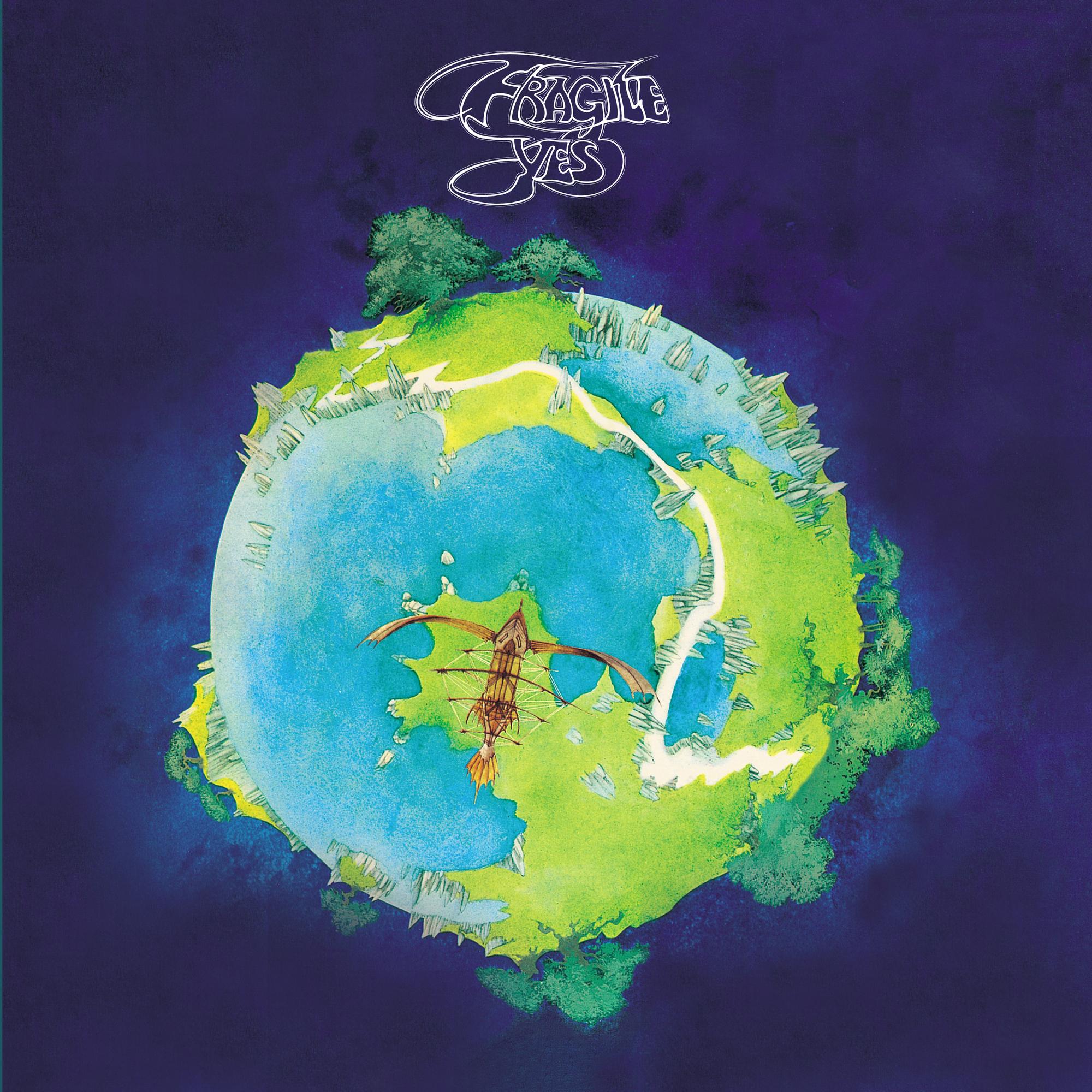
Released on 12 November 1971,[38] the band's fourth album Fragile showcased their growing interest in the structures of classical music, with an excerpt of The Firebird by Igor Stravinsky being played at the start of their concerts since the album's 1971–1972 tour.[39] Each member performed a solo track on the album, and it marked the start of their long collaboration with artist Roger Dean, who designed the group's logo, album art and stage sets. Fragile peaked at number 7 in the UK[26] and number 4 in the US[30] after it was released there in January 1972, and was their first record to reach the top ten in North America. A shorter version of the opening track, "Roundabout", was released as a single that peaked at number 13 on the Billboard Hot 100 singles chart.[40]
In February 1972, Yes recorded a cover version of "America" by Simon & Garfunkel and released it in July. The single reached number 46 on the US singles chart.[40] The track subsequently appeared on The New Age of Atlantic, a 1972 compilation album of several bands signed to Atlantic Records, and again in the 1975 compilation Yesterdays.[41]
Released in September 1972, Close to the Edge, the band's fifth album, was their most ambitious work so far. At 19 minutes, the title track took up an entire side on the vinyl record and combined elements of classical music, psychedelic rock, pop and jazz. The album reached number 3 in the US[30] and number 4 on the UK charts.[26][42] "And You and I" was released as a single that peaked at number 42 in the US[40] The growing critical and commercial success of the band was not enough to retain Bruford, who left Yes in the summer of 1972, before the album's release, to join King Crimson. The band considered several possible replacements, including Aynsley Dunbar (who was playing with Frank Zappa at the time),[43] and decided on former Plastic Ono Band drummer Alan White, a friend of Anderson and Offord who had once sat in with the band weeks before Bruford's departure.[44] White learned the band's repertoire in three days before embarking on their 1972–1973 tour.[45]
By this point, Yes were beginning to enjoy worldwide commercial and critical success. Their early touring with White was featured on Yessongs, a triple live album released in May 1973 that documented shows from 1972. The album reached number 7 in the UK[26] and number 12 in the USA concert film of the same name premiered in 1975[47] that documented their shows at London's Rainbow Theatre in December 1972.[48]
It is a fragmented masterpiece, assembled with loving care and long hours in the studio. Brilliant in patches, but often taking far too long to make its various points, and curiously lacking in warmth or personal expression ..."Ritual" is a dance of celebration and brings the first enjoyable moments, where Alan's driving drums have something to grip on to and the lyrics of la la la speak volumes. But even this cannot last long and cohesion is lost once more to the gods of drab self indulgence.
— Melody Maker review of Tales from Topographic Oceans, 1973
Tales from Topographic Oceans was the band's sixth studio album, released on 7 December 1973.[50] It marked a change in their fortunes and polarised fans and critics alike. The double vinyl set was based on Anderson's interpretation of the Shastric scriptures from a footnote within Paramahansa Yogananda's book Autobiography of a Yogi. The album became the first LP in the UK to ship gold before the record arrived at retailers.[51] It went on to top the UK charts for two weeks[26] while reaching number 6 in the US,[30] and became the band's fourth consecutive gold album. Wakeman was not pleased with the record and is critical of much of its material.[52] He felt sections were "bled to death" and contained too much musical padding.[53] Wakeman left the band after the 1973–1974 tour; his solo album Journey to the Centre of the Earth topped the UK charts in May 1974.[54] The tour included five consecutive sold-out shows at the Rainbow Theatre, the first time a rock band achieved this.[55]
1974–1980: Relayer, Going for the One, Tormato and the Paris sessions
Several musicians were approached to replace Wakeman, including Vangelis Papathanassiou, Eddie Jobson of Roxy Music and former Atlantis/Cat Stevens keyboardist Jean Roussel. Howe says he also asked Keith Emerson, who did not want to leave Emerson, Lake & Palmer.[56] Yes ultimately chose Swiss keyboardist Patrick Moraz of Refugee, who arrived in August 1974[57] during the recording sessions for Relayer, which took place at Squire's home in Virginia Water, Surrey. Released in November that year, Relayer showcased a jazz fusion-influenced direction the band were pursuing. The album features the 22-minute track titled "The Gates of Delirium", which highlights a battle initially inspired by War and Peace by Leo Tolstoy. Its closing section, "Soon", was subsequently released as a single. The album reached No. 4 in the UK[26] and No. 5 in the US[30][58] Yes embarked on their 1974–1975 tour to support Relayer. The compilation album Yesterdays, released in 1975, contained tracks from Yes's first two albums, the B-side track from their "Sweet Dreams" single from 1970 titled "Dear Father", and the original ten-minute version of their cover of "America".[59]
Between 1975 and 1976, each member of the band released a solo album. Their subsequent 1976 tour of North America with Peter Frampton featured some of the band's most-attended shows. The show of 12 June, also supported by Gary Wright and Pousette-Dart Band at John F. Kennedy Stadium in Philadelphia, attracted over 100,000 people.[60]Roger Dean's brother Martyn was the main designer behind the tour's "Crab Nebula" stage set, while Roger and fabric designer Felicity Youette provided the backgrounds.
In late 1976, the band travelled to Switzerland and started recording for their album Going for the One at Mountain Studios, Montreux. It was then that Anderson sent early versions of "Going for the One" and "Wonderous Stories" to Wakeman, who felt he could contribute to such material better than the band's past releases. Moraz was let go, after Wakeman was booked initially on a session musician basis, before being convinced by Squire to re-join the band full time.[61] Upon its release in July 1977, Going for the One topped the UK album charts for two weeks[26] and reached number 8 in the US[30][62] "Wonderous Stories" and "Going for the One" were released as singles in the UK and reached numbers 7 and 25, respectively.[62] Although the album's cover was designed by Hipgnosis, it still features their Roger Dean "bubble" logotype. The band's 1977 tour spanned across six months.[citation needed]
Yes in concert in August 1977. From left to right: Steve Howe, Alan White (behind the drums), Jon Anderson, Chris Squire and Rick Wakeman.
Tormato was released in September 1978 at the height of punk rock in England, during which the music press criticised Yes as representing the bloated excesses of early-1970s progressive rock. The album saw the band continuing their movement towards shorter songs; no track runs longer than eight minutes.[63] Wakeman replaced his Mellotrons with the Birotron, a tape replay keyboard, and Squire experimented with harmonisers and Mu-tron pedals with his bass. Production was handled collectively by the band and saw disagreements at the mixing stage among the members. With heavy commercial rock-radio airplay, the album reached number 8 in the UK[26] and number 10 in the US charts, and was also certified platinum (1 million copies sold) by the RIAA.[30] Despite internal and external criticisms of the album, the band's 1978–1979 tour was a commercial success. Concerts were performed in the round with a £50,000 revolving stage and a 360-degree sound system fitted above it. Their dates at Madison Square Garden earned Yes a Golden Ticket Award for grossing over $1 million in box office receipts.[64]
In October 1979, the band convened in Paris with producer Roy Thomas Baker. At the time, Anderson and Wakeman favoured a more fantastical and delicate approach while the rest preferred a heavier rock sound. Howe, Squire and White liked none of the music Anderson was offering at the time as they felt it was too lightweight and lacking in the heaviness that they were generating in their own writing sessions. The Paris sessions abruptly ended in December after White broke his foot while rollerskating in a roller disco.
When the band, minus Wakeman (who had only committed to recording keyboard overdubs once new material would be ready to record), reconvened in February to resume work on the project, their growing musical differences, combined with internal dissension, obstructed progress. Journalist Chris Welch, after attending a rehearsal, noted that Anderson "was singing without his usual conviction and seemed disinclined to talk".[66] By late March, Howe, Squire and White had begun demoing material as an instrumental trio, increasingly uncertain about Anderson's future involvement. Eventually, a serious band dispute over finance saw Anderson leave Yes, with a dispirited Wakeman departing at around the same time.
1980–1981: Drama and split
In 1980, pop duo The Buggles (singer Trevor Horn and keyboardist Geoff Downes) secured the services of Brian Lane, who had managed Yes since 1970, as their manager. The Buggles were best known for their 1979 hit single "Video Killed the Radio Star" from their album The Age of Plastic. At this point, the departure of Anderson and Wakeman had been kept secret from everyone outside the Yes inner circle. Seeing an option of continuing the band with new creative input and expertise, Squire revealed the situation to Horn and Downes and suggested that they join Yes as full-time members. Horn and Downes accepted the invitation and the reconfigured band recorded the Drama album, which was released in August 1980. The record displayed a heavier, harder sound than the material Yes recorded with Anderson and Wakeman in 1979, opening with the lengthy hard rocker "Machine Messiah". The album received substantial radio airplay in the late summer–fall of 1980, and peaked at number 2 in the UK[26] and number 18 in the US, though it was the first Yes album to not be certified Gold by the RIAA since 1971.[30] Their 1980 tour of North America and the UK received a mixed reaction from audiences. They were well received in the United States and were awarded with a commemorative certificate after they performed a record 16 consecutive sold-out concerts at Madison Square Garden since 1974
After the Drama tour, Yes reconvened in England to decide the band's next step, beginning by dismissing Lane as their manager. Horn was also dismissed,[68] and went on to pursue a career in music production, with White and Squire next to depart. Left as the sole remaining members, Downes and Howe opted not to continue with the group and went their own separate ways in December 1980.
Yesshows, a live album recorded during 1976 to 1978, mixed in mid-1979 and originally intended for release in late 1979, was released in November 1980, peaking at number 22 in the UK charts[26] and number 43 in the US.
An announcement came from the group's management in March 1981 confirming that Yes no longer existed. Downes and Howe soon reunited to form Asia with former King Crimson bassist and vocalist John Wetton, and drummer Carl Palmer from Emerson, Lake & Palmer. Squire and White continued to work together, initially recording sessions with Jimmy Page for a proposed band called XYZ (short for "ex-Yes-and-Zeppelin") in the spring of 1981. Page's former bandmate Robert Plant was also to be involved as the vocalist but he lost enthusiasm, citing his ongoing grieving for recently deceased Led Zeppelin drummer John Bonham. The short-lived group produced a few demo tracks, elements of which would appear in Page's band the Firm and on future Yes tracks "Mind Drive" and "Can You Imagine?". In late 1981, Squire and White released "Run with the Fox", a Christmas single with Squire on vocals which received radio airplay through the 1980s and early 1990s during the Christmas periods. A second Yes compilation album, Classic Yes, was released in November 1981.
1982–1988: First reformation, 90125 and Big Generator
At the beginning of 1982, Phil Carson of Atlantic Records introduced Squire and White to guitarist and singer Trevor Rabin, who had initially made his name with the South African supergroup Rabbitt, subsequently releasing three solo albums, working as a record producer and even briefly considered being a member of Asia. The three teamed up in a new band called Cinema, for which Squire also recruited the original Yes keyboard player Tony Kaye. Later in 1982, Cinema entered the studio to record their debut album. Although Rabin and Squire initially shared lead vocals for the project, Trevor Horn was briefly brought into Cinema as a potential singer, but soon opted to become the band's producer instead.
Horn worked well with the band. However, his clashes with Tony Kaye (complicated by the fact that Rabin was playing most of the keyboards during the recording sessions) led to Kaye's departure during the recording, though some of his playing was kept on the final album and he had returned by the time it was released.[70] Meanwhile, Squire encountered Jon Anderson (who, since leaving Yes, had released two solo albums and had success with the Jon and Vangelis project) at a Los Angeles party and, encouraged by Atlantic Records vice-president Phil Carson, played Anderson the Cinema demo tracks. Anderson was then invited into the project as lead singer and joined in April 1983 during the last few weeks of the sessions, having comparatively little creative input beyond adding his lead vocals and re-writing some lyrics.[citation needed]
At the suggestion of Carson and other Atlantic executives, Cinema then changed their name to Yes in June 1983. Rabin initially objected to this, as he now found that he had inadvertently joined a reunited band with a history and expectations, rather than help launch a new group.[72] However, with all the other band members having been members of Yes (with three of them being original members, including the distinctive lead singer) the name change was considered sound commercial strategy.
Yes released their comeback album 90125 (named after its catalogue serial number on Atco Records) in November 1983. The new album marked a significant change in style as the revived Yes had adopted more of a pop rock sound with few moments that recalled their progressive rock past. This incarnation of the band has sometimes been informally referred to as "Yes-West", reflecting the band's new base in Los Angeles rather than London.[79][80] It became their biggest-selling album, certified by the RIAA at triple-platinum (3 million copies) in sales in the US, and introduced the band to younger fans. "Owner of a Lonely Heart" topped the Hot Mainstream Rock Tracks chart for four weeks and went on to reach the number-one spot on the Billboard Hot 100 singles chart, the only single from Yes to do so,[40] for two weeks in January 1984. Kaye's short-term replacement on keyboards, Eddie Jobson, appeared briefly in the original video but was edited out as much as possible once Kaye had been persuaded to return to the band.[81]
In 1984, two further singles from the album "Leave It" and "It Can Happen" reached number 24 and 57, respectively.[40] Yes also earned their only Grammy Award for Best Rock Instrumental Performance in 1985 for the two-minute track "Cinema".[82] They were also nominated for an award for Best Pop Performance by a Duo or Group with Vocals with "Owner of a Lonely Heart", and a Best Rock Performance by a Duo or Group with Vocal award with 90125.[83] The band's 1984–1985 tour was the most lucrative in their history and spawned the home video release 9012Live, a concert film directed by Steven Soderbergh with added special effects from Charlex that cost $1 million.[84] Issued in 1985, an accompanying live album also appeared that year, 9012Live: The Solos, which earned Yes a nomination for a second Grammy Award for Best Rock Instrumental Performance for Squire's solo track, a rendition of "Amazing Grace".
Yes began recording for their twelfth album, Big Generator, in 1985, initially with Trevor Horn returning as producer. The sessions underwent many starts and stops due to the use of multiple recording locations in Italy, London and Los Angeles, with interpersonal problems leading to Horn leaving the sessions partway through, all of which kept the album from timely completion (the album was intended for a 1986 release, but by the end of that year it was still incomplete).[86] Eventually Rabin took over final production. The album was released in September 1987, and immediately began receiving heavy radio airplay, with sales reaching number 17 in the UK[26] and number 15 in the US[30] Big Generator earned Yes a nomination for a second Grammy Award for Best Rock Performance by a Duo or Group with Vocal in 1988, and was also certified platinum (with 1 million-plus in sales) by the RIAA.[87] The single "Love Will Find a Way" topped the Mainstream Rock chart, while "Rhythm of Love" reached number 2 and "Shoot High Aim Low" number 11.[30] The 1987–1988 tour ended with an appearance at Madison Square Garden on 14 May 1988 as part of Atlantic Records 40th anniversary concert.
1988–1995: Anderson Bruford Wakeman Howe, Union and Talk
By the end of 1988, Anderson felt creatively sidelined by Rabin and Squire and had grown tired of the musical direction of the "Yes-West" line-up. He took leave of the band, asserting that he would never stay in Yes purely for the money, and started work in Montserrat on a solo project that eventually involved Wakeman, Howe and Bruford. This collaboration led to suggestions that there would be some kind of reformation of the "classic" Yes, although from the start the project had included bass player Tony Levin, whom Bruford had worked with in King Crimson. The project, rather than taking over or otherwise using the Yes name, was called Anderson Bruford Wakeman Howe (ABWH).
Their eponymous album, released in June 1989, featured "Brother of Mine", which became an MTV hit and went gold in the United States. It later emerged that the four band members had not all recorded together; Anderson and producer Chris Kimsey slotted their parts into place. Howe has stated publicly that he was unhappy with the mix of his guitars on the album,[88] though a version of "Fist of Fire" with more of Howe's guitars left intact appeared on the In a Word: Yes box set in 2002. ABWH toured in 1989 and 1990 as "An Evening of Yes Music" which featured Levin, keyboardist Julian Colbeck, and guitarist Milton McDonald as support musicians. A live album and home video were recorded and released in 1993, both titled An Evening of Yes Music Plus that featured Jeff Berlin on bass due to Levin suffering from illness. The tour was also dogged by legal battles sparked by Atlantic Records due to the band's references to Yes in promotional materials and the tour title.
Following the tour, the group returned to the recording studio to produce their second album, tentatively called Dialogue. After hearing the tracks, Arista Records refused to release the album as they felt the initial mixes were weak.[89] They encouraged the group to seek outside songwriters, preferably ones who could help them deliver hit singles. Anderson approached Rabin about the situation, and Rabin sent Anderson a demo tape with three songs, indicating that ABWH could have one but had to send the others back. Arista listened to them and wanted all of them, proposing to create a combined album with both Yes factions.
Meanwhile, the "Yes-West" group had been working on a follow-up to Big Generator and had been shopping around for a new singer, auditioning Roger Hodgson of Supertramp, Steve Walsh of Kansas, Billy Sherwood of World Trade and solo pop/dance singer Robbie Nevil (who'd scored a US #2 hit in 1986 with "C'est la Vie").[91] Walsh only spent one day with the band, but Sherwood and Squire quickly established a rapport and continued with writing sessions, although Sherwood ultimately chose not to formally join the group or become the lead singer. Arista now suggested that the "Yes-West" group, with Anderson on vocals, record the songs from Rabin's demo tape and add them to the incomplete ABWH album, which would then be released as a full album under the Yes name.[citation needed]
Union was released in April 1991 and is the thirteenth studio album from Yes. Each group played their own songs, with Anderson singing on all tracks. Squire sang background vocals on a few of the ABWH tracks, with Tony Levin playing all the bass on those songs. The album does not feature all eight members playing at once. The track "Masquerade" earned Yes a Grammy Award nomination for Best Rock Instrumental Performance in 1992.[92] Howe described the nomination for a track he had recorded solo at home as "pure justice", following the difficulties in making the album.[93] Union sold approximately 1.5 million copies worldwide, and peaked at number 7 in the UK[26] and number 15 in the US charts.[30] Two singles from the album were released. "Lift Me Up" topped the Mainstream Rock charts in May 1991 for six weeks, while "Saving My Heart" peaked at number 9.[40]
Almost the entire band have openly stated their dislike of Union.[94] Bruford has disowned the album entirely, and Wakeman was reportedly unable to recognise any of his keyboard work in the final edit and threw his copy of the album out of his limousine.[95] He has since referred to the album as "Onion" because it makes him cry when he thinks about it. Union co-producer Jonathan Elias later stated publicly in an interview that Anderson, as the associate producer, knew of the session musicians' involvement. He added that he and Anderson had even initiated their contributions, because hostility between some of the band members at the time was preventing work from being accomplished.[96] The 1991–1992 Union tour united all eight members on a revolving circular stage.[97] Following the tour's conclusion in 1992, Bruford chose not to remain involved with Yes and returned to his jazz project Earthworks. Howe also ceased his involvement with the band at this time. In August 1991, while the Union tour was underway, Atlantic released Yesyears, a four-CD box set anthology. Two accompanying home videos, Yesyears and Greatest Video Hits, were also released during 1991.
In 1993, the album Symphonic Music of Yes was released, featuring orchestrated Yes tracks arranged by Dee Palmer. Howe, Bruford and Anderson perform on the record, joined by the London Philharmonic Orchestra, the English Chamber Orchestra and the London Community Gospel Choir. Howe and Bruford performed together on television (presented as "Yes") to promote the album, marking Bruford's final performance under the Yes name before retiring from performing.[98]
The next Yes studio album, as with Union, was masterminded by a record company, rather than by the band itself.[99] Victory Music approached Rabin with a proposal to produce an album solely with the 90125 line-up. Rabin initially countered by requesting that Wakeman also be included. Rabin began assembling the album at his home, using the then-pioneering concept of a digital home studio, and used material written by himself and Anderson.[100] The new album was well into production in 1993, but Wakeman's involvement had finally been cancelled, as his refusal to leave his long-serving management created insuperable legal problems.
Talk was released in March 1994 and is the band's fourteenth studio release. Its cover was designed by pop artist Peter Max. The record was largely composed and performed by Rabin, with the other band members following Rabin's tracks for their respective instrumentation.[101] It was digitally recorded and produced by Rabin with engineer Michael Jay, using 3.4 GB of hard disk storage split among four networked Apple Macintosh computers running Digital Performer. The album blended elements of radio-friendly rock with a more structurally ambitious approach taken from the band's progressive blueprint, with the fifteen-minute track "Endless Dream". The album reached number 20 in the UK[26] and number 33 in the US[30] The track "The Calling" reached number 2 on the Billboard Hot Mainstream Rock Tracks chart and "Walls", which Rabin had written with former Supertramp songwriter and co-founder Roger Hodgson, peaked at number 24.[40] It also became Yes's second-last-charting single.[102] Rabin and Hodgson wrote a lot of material together and became close friends.[102] Yes performed "Walls" on Late Show with David Letterman on 20 June 1994.[103]
The 1994 tour (for which the band employed Billy Sherwood as a support musician on additional guitar, bass, vocals and keyboards) used a sound system developed by Rabin named Concertsonics which allowed the audience located in certain seating areas to tune portable FM radios to a specific frequency, so they could hear the concert with headphones.[104]
In early 1995, following the tour, disagreements and dissatisfactions forced another change in the band. 1990s Yes manager Jon Brewer has stated that Squire had not appreciated the Talk production process: "(he) didn't like that. He didn't think it was what Yes was all about; he was very much against a computerised, digital sound at that time. So Trevor and Chris moved away from one another for quite a while."[105] For his part, Rabin felt that he had achieved his highest ambitions with Talk and lamented its disappointing reception, feeling that this was due to the fact that it "just wasn't what people wanted to hear at the time." Having remarked at the conclusion of the tour "I think I'm done", Rabin quit the band and returned to Los Angeles, where he shifted his focus to composing for films.[101] Kaye also left Yes to pursue other projects.[citation needed]
1995–2000: Keys to Ascension, Open Your Eyes and The Ladder
In November 1995, Anderson, Squire and White resurrected the "classic" 1970s line-up of Yes by inviting Wakeman and Howe back to the band, recording two new lengthy tracks called "Be the One" and "That, That Is". In March 1996 Yes performed three live shows at the Fremont Theater in San Luis Obispo, California which were recorded and released, along with the new studio tracks, that October on CMC International Records as the Keys to Ascension album, which peaked at number 48 in the UK[26] and number 99 in the US[30] A same-titled live video of the shows was also released that year.[citation needed]
Yes continued to record new tracks in the studio, drawing some material written around the time of the XYZ project. At one point the new songs were to be released as a studio album, but commercial considerations meant that the new tracks were eventually packaged with the remainder of the 1996 San Luis Obispo shows in November 1997 on Keys to Ascension 2. The record managed to reach number 62 in the UK,[26] but failed to chart in the US[30] Disgruntled at the way a potential studio album had been sacrificed in favour of the Keys to Ascension releases (as well as the way in which a Yes tour was being arranged without his input or agreement), Wakeman left the group again. (The studio material from both albums would eventually be compiled and re-released without the live tracks onto a single CD, 2001's Keystudio.)[citation needed]
With Yes in disarray again, Squire turned to Billy Sherwood (by now the band's engineer) for help.[106] Both men had been working on a side project called Conspiracy and reworked existing demos and recordings from there to turn them into Yes songs, and also worked on new material with Anderson and White. (Howe's involvement at this stage was minimal, mainly taking place towards the end of the sessions.) Sherwood's integral involvement with the writing, production, and performance of the music led to his finally joining Yes as a full member (taking on the role of harmony singer, keyboardist and second guitarist).[citation needed]
The results of the sessions were released in November 1997 as the seventeenth Yes studio album, Open Your Eyes (on the Beyond Music label, who ensured that the group had greater control in packaging and naming). The music (mainly at Sherwood's urging) attempted to bridge the differing Yes styles of the 1970s and 1980s.[106] (Sherwood: "My goal was to try to break down those partisan walls… For that, I am proud—to have aligned planets for a moment in time."[106]) However, Open Your Eyes was not a chart success; the record peaked at number 151 on the Billboard 200[30] but failed to enter the charts in the UK. The title single managed to reach number 33 on the mainstream rock chart.[40]
For the 1997/1998 Open Your Eyes tour, Yes hired Russian keyboard player Igor Khoroshev, who had played on some of the album tracks. Significantly, the tour setlist featured only a few pieces from the new album, and mostly concentrated on earlier material. Anderson and Howe, who had been less involved with the writing and production on Open Your Eyes than they'd wished, would express dissatisfaction about the album later.
By the time the band came to record their eighteenth studio album The Ladder with producer Bruce Fairbairn, Khoroshev had become a full-time member (with Sherwood now concentrating on songwriting, vocal arrangements and second guitar). With Khoroshev's classically influenced keyboard style, and with all members now making more or less equal writing contributions, the band's sound found a balance between its eclectic 1970s progressive rock style and the more polished pop sound sought on the previous album. The Ladder also featured Latin music ingredients and clear world music influences, mostly brought in by Alan White (although Fairbairn's multi-instrumentalist colleague Randy Raine-Reusch made a strong contribution to the album's textures). One of the album tracks, "Homeworld (The Ladder)", was written for Relic Entertainment's Homeworld, a real-time strategy computer game, and was used as the credits and outro theme. Pleased with the result of the album's creation, the band had been in tentative discussions to continue work with Fairbairn on future projects, but he died suddenly during the final mixing sessions of the album.[107]
The Ladder was released in September 1999, peaking at number 36 in the UK[26] and number 99 in the US[30] While on tour in 1999 and early 2000, Yes recorded their performance at the House of Blues in Las Vegas on 31 October 1999, releasing it in September 2000 as a live album and DVD called House of Yes: Live from House of Blues. As Sherwood saw his role in Yes as creating and performing new music, and the rest of the band now wished to concentrate on performing the back catalogue, he amicably resigned from Yes at the end of the tour.[106]
In summer 2000, Yes embarked on the three-month Masterworks tour of the United States, on which they performed only material which had been released between 1970 and 1974 (The Yes Album through to Relayer). While on tour, Khoroshev was involved in a backstage incident of sexual assault with a female security guard at Nissan Pavilion in Bristow, Virginia on 23 July 2000[108][109][110] and parted company with the band at the end of the tour.
2001–2008: Magnification, Anniversary touring, and Anderson's departure
Following the departures of Sherwood and Khoroshev and the death of Fairbairn, Yes once again set about reinventing themselves, this time choosing to record without a keyboardist, opting instead to include a 60-piece orchestra conducted by Larry Groupé; the first time the band used an orchestra since Time and a Word in 1970. The result was their nineteenth studio album, 2001's Magnification. The record was not a chart success; it peaked at number 71 in the UK[26] and number 186 in the US[30] The Yes Symphonic Tour ran from July to December 2001 and had the band performing on stage with an orchestra and American keyboardist Tom Brislin. Their two shows in Amsterdam, in November, were recorded for their 2002 DVD and 2009 CD release Symphonic Live. The band invited Wakeman to play with them for the filming, but he was on a solo tour at the time.
Following Wakeman's announcement of his return in April 2002, Yes embarked on their Full Circle Tour in 2002–2003 that included their first performances in Australia since 1973.[112] The band's appearance in Montreux on this tour was documented on the album and DVD Live at Montreux 2003, released in 2007. In 2002, Rhino Records issued In a Word: Yes, a five CD box set of classic, rare and unreleased tracks from the band's history, including some from the 1979 Paris sessions, followed a year later by the compilation album The Ultimate Yes: 35th Anniversary Collection, which reached number 10 in the UK charts,[26] their highest-charting album since 1991, and number 131 in the US[30] During 2003 and 2004, Rhino also released remastered editions of all Yes' studio albums up to, and including, 90125, all featuring rare and previously unreleased bonus tracks. These editions would be collected in 2013 as The Studio Albums 1969–1987 box set, with Big Generator also receiving the same treatment.[citation needed] On 18 March 2003, minor planet (7707) Yes was named in honour of the band.
On 26 January 2004, the film Yesspeak premiered in a number of select theatres, followed by a closed-circuit live acoustic performance of the group. Both Yesspeak and the acoustic performance, titled Yes Acoustic: Guaranteed No Hiss, were released on DVD later that year. A 35th anniversary tour followed in 2004 which was documented on the DVD Songs from Tsongas, released in 2005.[114] After their 35th Anniversary Tour, Yes described themselves as "on hiatus"
During the hiatus, Yes members continued to collaborate. Squire, Howe and White reunited for one night only with former members Trevor Horn, Trevor Rabin and Geoff Downes during a show celebrating Horn's career, performing three Yes songs. The show video was released in DVD in 2008 under the name Trevor Horn and Friends: Slaves to the Rhythm.Anderson toured jointly with Wakeman, for concerts focused largely on Yes material, White joined fellow Yes-men Tony Kaye and Billy Sherwood in Circa, and Howe reunited to record, release and tour with once-and-future Yes bandmate Geoff Downes in the reunion of the original Asia line-up.
In May 2008, a fortieth-anniversary Close to the Edge and Back Tour—which was to feature Oliver Wakeman on keyboards—was announced. Anderson has said that they had been preparing four new "lengthy, multi-movement compositions" for the world tour,[118] but he had expressed disinterest in producing a new studio album after the low sales of Magnification, suggesting that recording one was not "logical anymore".[119][120] The tour was abruptly cancelled prior to rehearsals, after Anderson suffered an asthma attack and was diagnosed with acute respiratory failure, and was advised by doctors to avoid touring for six months.[121]
In September 2008, the remaining three members, eager to resume touring regardless of Anderson's availability, announced the In the Present Tour billed as Steve Howe, Chris Squire and Alan White of Yes, with Canadian Benoît David, the singer in a Yes cover band, and Oliver Wakeman on keyboards.[122][123] According to Anderson, he was removed from the band against his will;[124] he expressed wanting to rejoin the band after his recovery, and initially disputed the continuation of the band as "Yes".[125][124] As Anderson was a co-owner of the Yes trademark, the remaining members agreed at the time not to tour with the Yes name.[126]
中文介绍
Yes 由主唱乔恩·安德森与贝斯手克里斯·思奎尔于1968年成军。当时的吉他手则是彼得·班克斯,其余成员有键盘手托尼·凯伊与鼓手比尔·布鲁福德。在1968年的8月2日于英国举办的一场夏令营作了首次表演。当时,Yes 常重新演绎其他艺人的创作,不过往往是将旧作的长度延伸许多,并且在编曲方面高度复杂化(当时深紫乐团也这么做)。1969年,发行了第一张同名专辑。打从成军开始,Yes 的成员便都是有着长远抱负的杰出音乐家。班克斯当时即受到高度的注意,安德森与思奎尔两人于演唱方面的默契也成了 Yes 音乐上极易辨认的部分了。
作为激进派艺术摇滚的代表乐队,Yes的风格在70年代早期的艺术摇滚繁荣时期独树一帜。在用古典音乐装饰摇滚乐方面,只有ELP(Emerson Lake And Palmer)乐队可以与之相比。Yes乐队也一直是现场观众的宠儿,他们是最受欢迎的露天现场演出乐队之一,直到1977年的新浪潮音乐出现。
1970年,于第二张专辑的录制上,团体展现了高度企图心:邀集了三十人的管弦乐团共同演出第二张专辑《Time and a Word》,其中除了 瑞奇·海文斯的作品《No Opportunity Necessary, No Experience Needed》及史蒂芬·史提尔斯的作品 《Everydays》这二首歌曲,其余皆为团体本身的创作。重新演绎 Havens 的歌曲时,Yes 同时加入了当时的电视系列剧《The Big Country》的主题曲。遗憾的是,管弦乐团及托尼·凯伊的部分明显掩盖了其他团员的表现,也让《Time and a Word》的音乐内容呈现了不平衡的状态。在专辑发行前,班克斯被 Yes 解雇。
Yes 于1970年代前期所发行的音乐作品至今仍被多数乐迷认为是他们生涯的最高峰。这些作品的编曲受到古典音乐的熏陶,有着复杂与华丽的乐器表现,不合乎常规的停顿或是长时间的演奏,以及饶富深意的歌词内容。歌曲长度不同于大多歌曲的三分钟上下,Yes 此时的作品甚至多有超过二十分钟以上的。
歌曲演唱的段落间穿插著建立起特立氛围的乐器演奏,是集体的即兴演出,抑或是吉他或是其他乐器的长篇大作。此时期 Yes 最显著的特色便是乔恩·安徳森高亢饱满宛如天籁的嗓音,显著的和声,瑞克·威克曼与史蒂夫·豪不绝如缕的交替演奏,比尔·布鲁福德多变的鼓点,以及克里斯·史奎尔所弹奏的电贝斯低音独特之声。
同时,史奎尔在电贝斯的技术创新上有着杰出的表现,像是运用颤音(tremolo)、哇哇器(wah-wah pedal)等。由布鲁福德与史奎尔所构筑出的旋律组合至今仍为许多人所激赏。
团体的前两张专辑明显地受到披头士乐队、飞鸟乐队及赛门与葛芬柯等人的影响。而在彼得·班克斯离开,史蒂夫·豪加入后,Yes 的音乐有了大幅度的提升。在广受好评的第三张专辑《The Yes Album》中,全部的歌曲皆是由 Yes 所制作,也开始了与兼任制作人与录音师的 Eddie Offord长期合作,Eddie在录音室成熟的技巧被认为是塑造出 Yes 声音效果的一大推手。
在1971年,键盘手托尼·凯伊离开了乐团,取而代之的瑞克·威克曼则是从古典音乐科班出身,他在加入 Yes 之前,便已经在大卫·鲍伊与卢·里德的专辑中崭露头角了。威克曼的加入,使 Yes 中的吉他与键盘产生了良好的化学效用。同时,他也加入了电子合成器的Mellotron与Minimoog的效果功能到 Yes 的音乐中。
有了这位键盘手加入后,Yes 将迈入生涯最发光发亮的时刻,亦即发行了《Fragile》 (1971) 以及《Close to the Edge》(1972) 这两张叫好又叫座的专辑。Yes 成了在70年代最受欢迎的乐团之一,他们的现场演出正好碰上当时的灯光音响技术大进步而有着极高的品质,许多乐迷不只是听音乐更是在享受“看”演唱会。
从《Fragile》开始,Roger Dean开始长期参与 Yes 的封面创作、设计广为人知的 Yes 标志以及舞台灯光的布造。有些人认为《Close to the Edge》称得上前卫摇滚各类型中的翘楚。另外,自从《The Yes Album》中的“Starship Trooper”问世后,Yes 歌迷便打趣地自称为“Troopers”。
然而在《Close to the Edge》的大成功后,布鲁福德离开 Yes 加入深红之王的新闻在歌迷的心中留下了一个大大的问号。鼓手的位置由 Plastic Ono Band 的鼓手艾兰·怀特顶替。这个新阵容的新作品便是一张收录 1972 至 1973年现场作品的 《Yessongs》。
《Yessongs》的发行在当时称的上一大创举,由于当时 3LP 的专辑十分地少,加上其中的歌曲皆为先前已发行过歌曲的现场版,对于大西洋唱片来说这张专辑的销售成绩存有相当大的变数,最后仍旧发行的决心可说是一次大胆的赌博。Roger Dean 对这张大作也回报以横跨三张内页的插图,让原有的作品更凸显出其鸿心壮志。市场终究没让 Yes 的努力白费,《Yessongs》的销售成绩远高于他们的预期。
下一张录音室专辑《Tales from Topographic Oceans》对 Yes 日后的发展有显著影响:乐迷已经对此类型的长篇大作感到演倦了。四首都将近二十分钟的歌曲,让人不禁觉得 Yes 似乎是走火入魔抑或是走入了自得其乐的境界。威克曼对此张专辑十分不满意,并且与团员在创作上有着相岐的意见,于是在《Tales》巡回演唱期间便同意他离团单飞。
帕特里克·莫拉兹在1974年的《Relayer》中取代了威克曼成了键盘手。这张唱片如同前作,有着长达一张唱片的《The Gates of Delirium》,其中的一节“Soon”则曾被节录出来发行个别的单曲。本唱片在西班牙的排行榜曾跃升到第一名的地位,接续著从1975年至1976年的巡回演出,各团员也发行了各自的唱片。《Yesterdays》也于此时发行,收录了前两张专辑的曲目以及翻唱保罗·西门的《America》。
当莫拉兹于1976年离开时,Yes 先录制了部分没有键盘部分的曲目:在长时间的协调后,威克曼答应在唱片录制时加入演出,随后由于对新专辑级的内容表示了高度兴趣,便重新加入了老战友的行列。新专辑《Going for the One》除了十五分钟长的《Awaken》外,皆是简短俐落的歌曲。连同1978年的的《Tormato》专辑,虽然朋克摇滚已日趋盛行,仍取得了漂亮的成绩。然而,当时的评论家对前卫摇滚的形容也越来越不客气,甚至说 Yes 是最自我膨胀的一个团体。讽刺的是,Yes 却也是持续最为长久的前卫摇滚团体。
1980年时,团体发生了前所未有的巨变,威克曼再度萌生退意,而这次安徳森也有意求去(当时与 Vangelis 的合作大受欢迎)。这样一来,新专辑的录制工作便缺少了主唱以及键盘手,当时的经纪人找来 The Buggles 的 Geoffrey Downes(键盘)and Trevor Horn(主唱)充当 Yes 的救火队,携手录制全新的专辑《Drama》。专辑发行后,乐迷普遍表达了正面的评价,但他们仍然希望主唱是过往的安徳森。
在《Drama》的巡回演唱会结束后,Yes 宣告解散。豪跟 Downes 组成了新团体 Asia,Horn 投入了唱片制作事业,史奎尔与怀特则是与 Jimmy Page 一同在录音室中谱写新曲。三人想要组的团体名称是前 YesZeppelin 的缩写:XYZ,但后来却无疾而终,空留下几首 Demo 带。
1982年,此时 Yes 解散了将近两年,史奎尔与怀特找了罗宾(Trevor Rabin)与先前的伙伴凯雅共组了一个新团体,起初取名为 Cinema。先前已有三张作品的罗宾创作了畅销金曲《Owner of a Lonely Heart》,同时他替 Yes 在 MTV 出现后的时代做了些调整然而保留住了团体的原味(特别是十分协调的和声)。
原先的主唱预定是罗宾与史奎尔,不过在1983年时,安徳森在看过新 Yes 所表演的歌曲后大为激赏因此决定加入这张专辑的制作,因此才有了这次意外的转变。乐迷将他们与经典阵容做了分别,称他们为“Generators”(来自于接下来发行的专辑《Big Generator》)。
由崔佛操刀制作的《90125》专辑,与先前的专辑明显不同。词曲直入人心,而非像先前的“冗长”,加入了当时十分前卫的电子效果器。专辑总销售成绩总共有六百万张以上(这张专辑的世界巡回演唱整整持续了一年!),替 Yes 的新生命打了一剂强心针。专辑中的《Owner of a Lonely Heart》是各大排行榜上的畅销金曲(同时也是 Yes 唯一的告示牌排行榜冠军单曲)。《Leave It》与《It Can Happen》,也打入了单曲榜;演奏曲《Cinema》更入围了葛莱美的最佳演奏歌曲。某些人认为,这首演奏曲宣示了 Yes 并未为了商业考量而完全背弃了他们的音乐原貌。这张成功的专辑连带使现场的演奏与影像双双出版,皆名为《9012Live》。
1986年,俗称的“西 Yes”开始录制《Big Generator》,然而安徳森与史奎尔之间的沟通问题让专辑无法如期完成,最后在罗宾的跨刀之下方才完成。然而,1987年发行的《Big Generator》销售成绩虽然依旧耀眼,但相比之下却没有了《90125》的大红大紫。有些乐迷认为,在《Big Generator》反倒才是 Yes 团员们的合作最和谐完满的时刻。其中的《Love Will Find a Way》与《Rhythm of Love》都在排行榜上有着不错的成绩。但是接下来的1988年巡回让团员们不但身心俱疲,酝积在内心中的不满亦将爆发。
1980年代末期,安徳森对新 Yes 日益不满(或许特别是因为史奎尔),同时他想要回到自己在经典阵容时所创作的音乐方向。当1988年安徳森离开后,他找了威克曼、豪以及布鲁佛几个老搭档一起创作。威克曼特别强调自己不想以 Yes 的名义发行专辑;而事实上他们也没有办法使用,因为 Yes 这个名称的所有权是归史奎尔所有(于《90125》专辑合约中签订)。之后,他们取了个简洁的名字“Anderson Bruford Wakeman & Howe”,或是 ABWH。勾起了老少 Yes 迷的回忆,在1989年发行的同名专辑取得了金唱片的佳绩。然而,由于巡回演唱会的名称为“An Evening of Yes Music Plus”,因而与大西洋公司有了法律诉讼的不愉快。
当 ABWH 如火如荼地质作第二张专辑的同时,Yes 同时也在筹备新专辑的录制。此时史奎尔开始与比利(Billy Sherwood)合作,罗宾在个人的演唱会结束后也加入阵容。ABWH 的唱片公司 Arista 则希望他们能向外邀歌,此时罗宾寄了卷试听带来希望 ABWH 能够演出。当然,脑筋动得快的 Arista 认为如果两方面的人马能够重逢,在获利上能有不少的收入。经过多方协商下,在1991年的上半年,Yes 加入了 ABWH 的《Union》录音。并且在这年的巡回演出中同时最多有八位乐手同台演出,可说是短暂的‘大 YES 乐团’,不过这张专辑的内容并未因为成员的庞杂而特别突出。明显地,这张专辑分成两个部分,没有一首歌是八个人一同录制的;其中三分之二由 ABWH 担纲创作,同时罗宾与史奎尔贡献了四首。这次的巡回演唱相当成功,为1991年与1992年之间参与人数前几高的演唱会之一。
巡回演出后,布鲁佛、豪与威克曼相继离开团体。Yes 此时又回到了1980年代初期的阵容:Anderson、Squire、Rabin、Kaye及White。1994年,在 Victory 唱片发行了《Talk》,这张唱片的销售成绩惨淡无比,创下团体最不名誉的纪录。即便《The Calling》,或许是继《Owner of a Lonely Heart》后最棒的单曲,唱片公司与美国的广播电台却没有给予适当的宣传机会。安德森与罗宾在专辑中首次合作,谱出了新旧 Yes 乐曲的完美结合品。在1994年的巡回演出中,先前与史奎尔一同谱写《Union》中《The More We Live》的吉他手比利·雪尔德成为了团体当时的第六位成员。凯雅与罗宾于1995年与 Yes 话别,此后罗宾专注于电影配乐,并广受好评。
Yes 于1996年的复合正巧印证了英文谚语“never say never again”,此场演唱会举办于加州的 San Luis Obispo。令乐迷们简直不敢置信,因为 Yes 重振旗鼓恢复了1970年代,那个属于他们黄金时代时的阵容(Anderson、Squire、White、Howe及Wakeman)。紧接着发行了此演唱会的专辑《Keys to Ascension》,并有新作品出现于其中。这张专辑被乐迷们视为1970年代后 Yes 最棒的一张作品。而新发行的作品稍后被集中于 《Keystudio》这张专辑之中。不过,就当乐迷引颈期盼经典阵容开始巡回的时候,威克曼再度离开了团体。
威克曼的位置由雪伍德所顶替,同时他也担纲吉他的演出。1997年,发行《Open Your Eyes》,这张专辑的曲风似乎又回到 90125 年代,巡回演唱时键盘手则是由俄国的伊格所担任。之后的《The Ladder》他则是全职担纲键盘手的工作。
雪伍德与伊格在2000年的巡回演唱后相继离开(传闻是因为伊格在私生活方面不太检点)。而2001年所发行的新专辑《Magnification》不采用键盘,这同时也是 Yes 第一次在专辑中不采用键盘的演出。这张专辑被部分乐迷赞赏为1970年代以后最佳专辑。不仅有六十人的乐队在音乐上支援,乐队在编曲与指挥乐团上给予 Yes 极大的帮助。稍后,由于乐团仍无法完善地演出过去的一些歌曲,因此在这次的巡回中 Yes 找来了另一位临时键盘手 Tom Brislin。
威克曼2002年的归队让乐迷喜出望外,同年 Yes 举办了世界巡回演唱会(包括了久违三十年的澳大利亚)。经典阵容在近年更趋活跃受到更多方面的瞩目,尤其是2004年的 35 周年庆祝。
在此之后,Yes经历了多次人员变动,Jon Anderson被贝努瓦大卫以及琼戴维森取代,Geoff Downes重新加入乐队,Chirs Squire去世Billy Sheerwood取代,Alan White去世杰伊谢伦取代。他们发行了“FLY FROM HERE”“HEAVEN AND EARTH”“THE QUESTS”等专辑。