Faun热门歌曲下载
查看全部|
|
歌曲 | 专辑 | 时长 |
|---|---|---|---|
|
1
|
Federkleid
SQ
|
Midgard |
04:43 |
|
2
|
Von den Elben |
03:23 |
|
|
3
|
Von den Elben |
03:04 |
|
|
4
|
Von den Elben |
03:04 |
|
|
5
|
Buch der Balladen |
04:06 |
|
|
6
|
XV - Best Of (Deluxe Edition) |
03:04 |
|
|
7
|
Licht |
05:37 |
|
|
8
|
Midgard |
03:54 |
|
|
9
|
Von den Elben |
03:18 |
|
|
10
|
Nimue
SQ
|
Nimue |
04:38 |
Faun最新专辑下载
查看全部
Nimue
2025-08-08
Lady Isobel
2025-06-27
Lament
2025-05-30
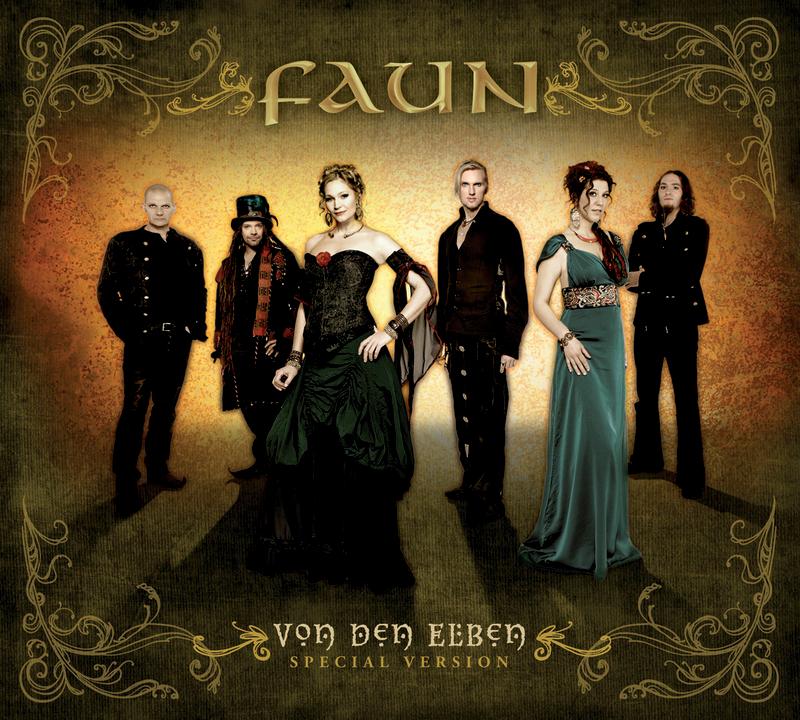
Von den Elben (Special Version)
2013-01-01
Black Eyed Dog
2025-01-17
Feine Seele
2024-08-30
Blot
2024-05-03
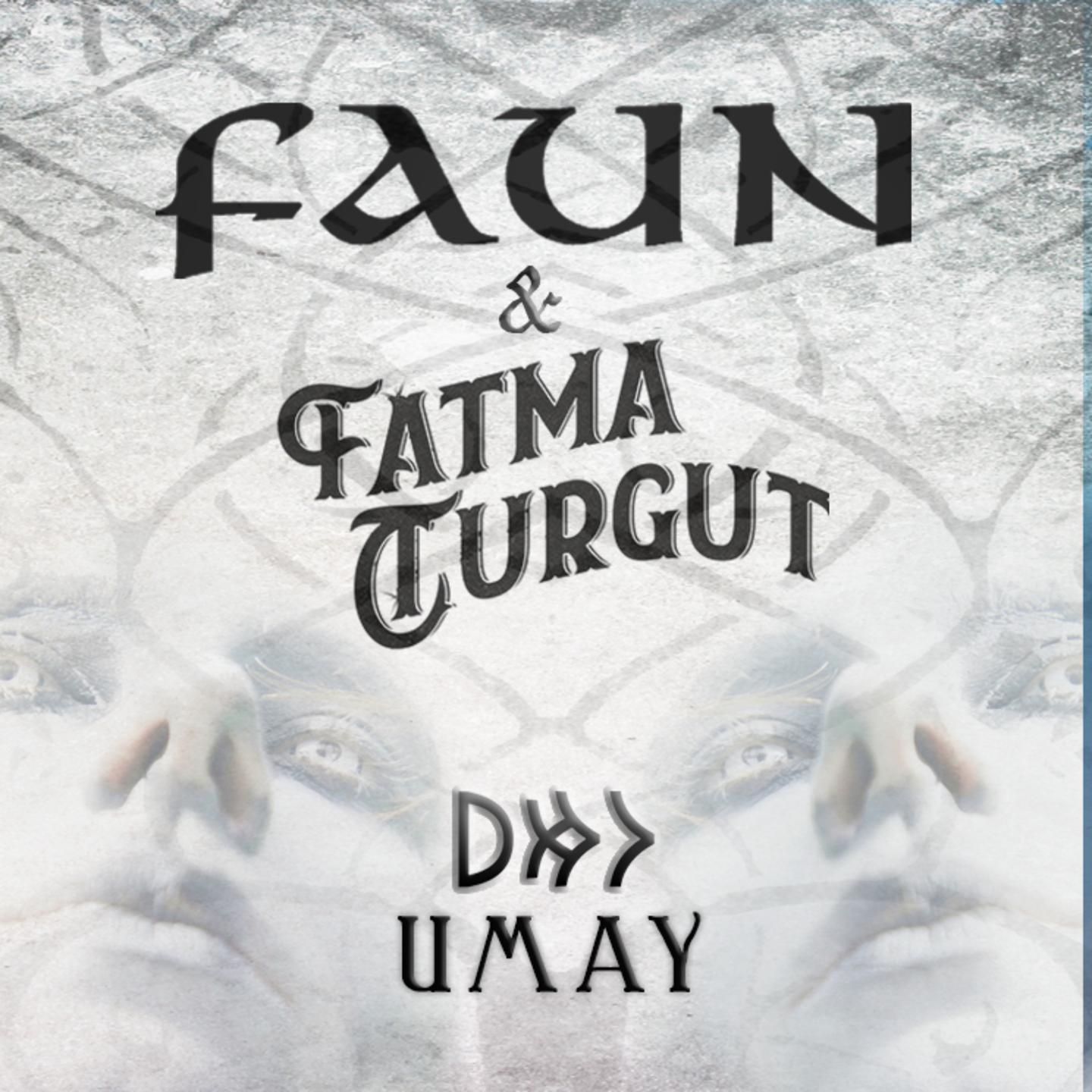
UMAY
2023-11-17
Faun个人资料
Genres
Pagan folk darkwave Neo-Medieval music folk rock
Years active
1998–present
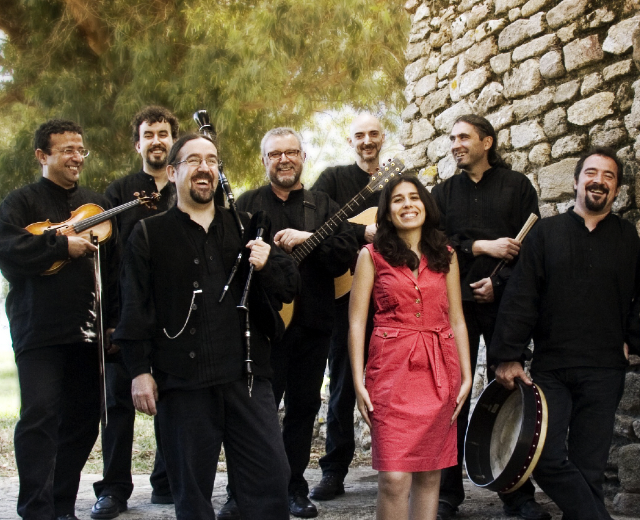
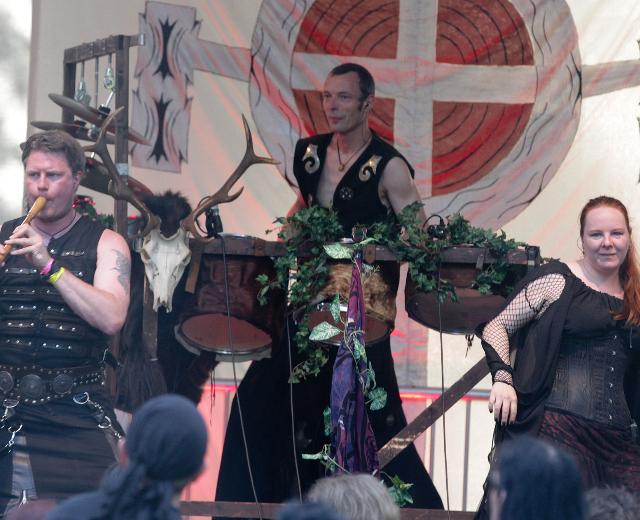
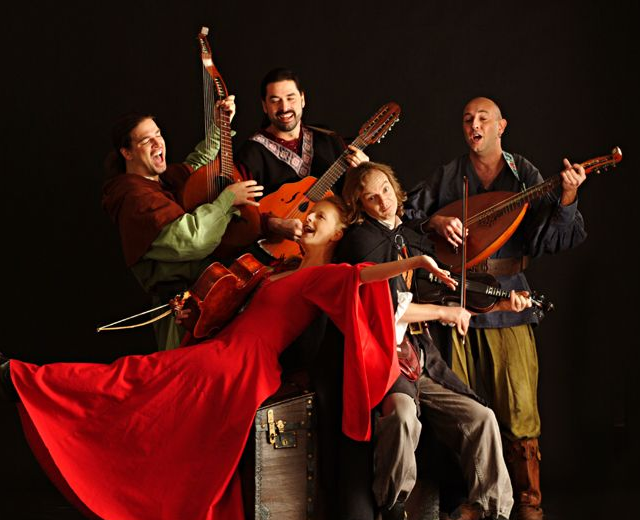
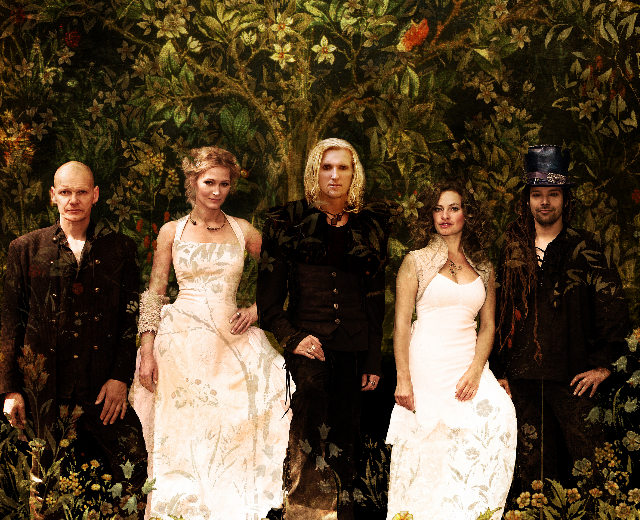
Faun is a German band that was formed in 1998 and plays pagan folk, darkwave, and medieval music. The originality of their music style is that it falls back to "old" instruments, and the singing is always the center of attention. The vocals are performed in a variety of languages, including German, English, Latin, Greek, Scandinavian and Hungarian (e.g. "Ne Aludj El") languages. Their instruments include Celtic harp, Swedish nyckelharpa, hurdy-gurdy, bagpipes, cittern, flutes, and many others.
Faun is a renowned German band known for fusing ancient music traditions with modern sounds. Since their formation in 2001, they’ve released 11 studio albums and earned multiple accolades, including platinum and gold certifications, as well as three Echo Award nominations. Chart-topping albums like “Pagan”, “Midgard”, and “Luna” have secured their place in Germany’s music landscape.
Faun gained mainstream recognition with “Von den Elben” (2012), followed by successful releases “Luna” (2014), “Midgard” (2016), and “Pagan” (2022). Faun has played over 1,000 concerts worldwide, offering both intimate, acoustic performances and high-energy festival shows.
This year, Faun is releasing their next album, “HEX”, which explores themes of witchcraft through medieval instruments, layered vocals, and immersive stage production. The upcoming tour will showcase songs from “HEX” along with fan favorites from their career.
History
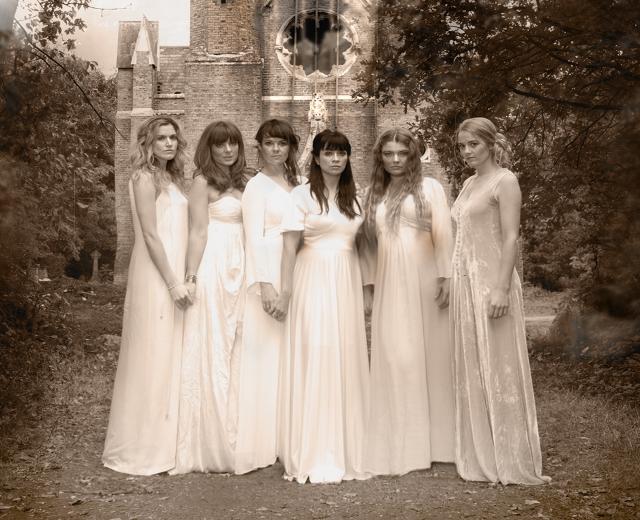
The band was founded in 1998 by Oliver s. Tyr, Elisabeth Pawelke, Fiona Rüggeberg, and Birgit Muggenthaler. Two years later, Rüdiger Maul joined the band as a percussionist. At the same time, Birgit left the band to continue her musical life with the folk-rock band Schandmaul. In 2002, they released their first album Zaubersprüche. Niel Mitra was a guest musician on this album, and he later became a full-time member of the band, the only one playing only electronic instruments.
In 2003, the band released its second album, Licht, and performed at several festivals in support of this music.[1]
Elisabeth Pawelke left Faun in 2008 to focus on her studies in classical song in Basel, Switzerland. She was succeeded by Sandra Elflein, who left Faun in April 2010 due to a pregnancy and health issues. Singer and multi-instrumentalist Rairda replaced her but left the band in 2012. She was succeeded by Katja Moslehner.[2]
In 2013, the band toured Europe, including Berlin.[1] Later that year, they published their seventh studio album Von den Elben, which became the first Faun album to reach top ten positions in the album charts of Germany, Austria, and Switzerland, and was also their first album to chart in the latter two countries.[3][4][5] It was nominated for the ECHO award in the categories "National Rock/Pop Group"[6] and "National Newcomer of the Year".[7]
On 19 August 2016, the band released an album called Midgard. It quickly reached third place in the German album ranking.[8] The following year, Katja Moslehner left the band. She was replaced by Laura Fella.
On 15 November 2019, the band released Märchen & Mythen, their tenth studio album.
In 2020, founding member Fiona Frewert announced her departure from the band. She was replaced by singer-songwriter Adaya.[9][10]
After five albums released by Universal Music Germany, Faun established their own record label in 2021, Pagan Folk Records. The first album to be released on this label was Faun's Pagan from 2022
style
Music
Faun is a prime example of "Mittelalter" music, a German musical style mixing Medieval folk and folk metal. To express their own bond with nature the band coined the term "Pagan Folk" for one style of their concerts. While the term was initially used for electronically amplified concerts only, it is now used by fans and band for their music itself. A quote by Oliver Pade reveals another possibility for having chosen this specific term: "We don't know ourselves what kind of music we play, so we call it paganfolk" (Oliver Pade 2004 in a song announcement at the 2004 Summer Darkness in Utrecht, Netherlands). The Münchner Merkur defines it as "a sometimes experimental mix of folk elements, medieval and traditional music from different epochs and regions as well as modern, even electronic influences".[13]
Faun's repertoire ranges from melancholic ballads to exuberant dances like the Breton an dro. Thereby they set historical tunes from various periods and regions to music and on the other hand create a lot of their own compositions as well.
Faun combines ancient Perso-Arab melodies with the Swedish nyckelharpa and Middle High German lyrics. Equally distinguishing are Pawelke's and Rüggeberg's singing, mostly in two voices and, on newer recordings, the driving beat by Niel Mitra. Mitra has described the essence of the band as a form of "musical alchemy", due to the different musical interests of the members and how they are combined in Faun's music.[14]
The debut album Zaubersprüche deals mainly with slow ballads from the era between the Late Middle Ages and Romanticism. The instrumentation is kept entirely acoustic and waives modern instruments and electronic beats. The second album features far less ballads, but offers considerably more danceable tunes like "Andro", "Unda" or the double song "Deva/Punagra".
Lyrics
The lyrics originate from very different languages, Standard German, Middle High German, Old Icelandic, Low German, Old Norse, Latin, Hungarian, Finnish, and Ladino among them. Among lyrics of their own, the group uses or writes lyrics inspired by classical texts such as the Carmina Burana ("Satyros", "Renaissance"), the Cantigas de Santa Maria ("Da que Deus", "Renaissance"), Jenaer Liederhandschrift from Vitslav III, Prince of Rügen ("Loibere Risen", "Renaissance"), Egil's Saga ("Licht"), the Poetic Edda ("Sigurdlied", "Buch der Balladen"), Heinrich von Morungen ("Von den Elben", "Licht"), the ballad King Henry, as well as from romantic and modern authors such as John Keats ("Der Wilde Wasermann", "Buch der Balladen"), Baron Munchausen ("2 Falken", "Totem" and "Jahrtausendalt", "Buch der Balladen"), José Melchor Gomis ("Tinta", "Totem"), Joseph Freiherr von Eichendorff ("Der stille Grund", "Totem"), Felicitas Kukuck ("Tanz über die Brücke", Buch der Balladen") and others.
Faun seek to promote a form of paganism they characterise as nature religion. They are however not hostile to Christian culture and are open to performing Christian songs. They have stressed that many Christian traditions have a pagan origin or pagan components. Oliver s. Tyr has said that he is opposed to the church, but regards Christianity as a good religion and thinks it is better to be a Christian than to have no faith at all
Meaning of the name
The name Faun comes from ancient Greek-Roman mythology, where it equals the herders' deity Faunus or Pan. According to the band, this figure which is often also depicted as a natural or forestal spirit, shall express the members' connection with nature. For the same reason Oliver Pade's pseudonym is the Satyr, who is closely related to Faunus.
Band members
Line-up:
Oliver Satyr: Vocals, Moraharpa
Laura Fella: Vocals
Adaya: Vocals, Bagpipe
Stephan Groth: Vocals, Hurdy-Gurdy
Niel Mitra: Synthesizer, Sampler, Keyboard, Beats
Alexander Schulz: Drums, Percussion
Mirjam Skal: Orchestration
中文介绍
Faun由Oliver "SaTyr" Pade、Birgit Muggenthaler和Werner Schwab三人在1999年成立于慕尼黑。 2001年,Birgit Muggenthaler为了更专注在她的另一个乐团Schandmaul(英语:Schandmaul)而离队,但是她仍在第一张专辑《Zaubersprüche》中客席演出。 不久之后Werner Schwab也离开。同时客席乐手Niel Mitra加入了乐团,打击乐手Rüdiger Maul、多乐器奏者Fiona Rüggeberg和歌手Elisabeth Pawelke也接连加入。他们以这个阵容发行了广受好评的第二张大碟《Licht》,并累计了不少支持者,直到2008年Elisabeth Pawelke离开乐团到巴塞尔学习古典歌唱技巧。她的继任者是小提琴家与歌手Sandra Elflein。在2009年乐团发行纯传统声学乐器演奏的专辑《Buch der Balladen》,并开始以FAUN Acoustic的分支企划积极演出。然而Sandra在2010年因怀孕而离团,Rairda加入乐团并帮助乐团完成巡演。 Rairda离开之后,乐团找来了手摇风琴(英语:Hurdy gurdy)手Stephan Groth以及美国世界音乐乐团Stellamara的歌手暨制作人Sonja Drakulich继续FAUN Acoustic的演出。 Faun曾受邀至Wacken Open Air2013演出。 2013年年初,乐团在环球唱片旗下发行了第八张专辑《Von den Elben》,由Katja Moslehner担任主唱。这张专辑邀请了德国乐团Santiano(德语:Santiano)和Subway to Sally(英语:Subway to Sally)的主唱分别各合唱了一首歌,并且比起其他专辑有着更多的流行元素。 2014年9月5日,乐团发行第九张专辑《Luna》,主要在探讨与月亮有关的神话。德国乐团In Extremo(英语:In Extremo)的主唱Michael Robert Rhein参与了其中一首歌。第十张专辑《Midgard》于2016年8月19日发行,来自挪威的异教民谣乐团Wardruna(英语:Wardruna)客座演出「Odin」一曲,并一起巡回演出。 2018年,Faun发行了首张精选辑《FAUN XV - BEST-OF》,包含数首重新录制、现场演出的旧歌,与两首新曲。同时这也会是新任主唱Laura Fella第一次有所参与的专辑。2019年,faun释出以童话故事为主题的专辑《Märchen & Mythen》。这是旧成员Fiona Rüggeberg参与的最后一张专辑。她于2020年离队,新加入faun的Adaya De Baïracli Levy将参与2022年新专辑《Pagan》的制作。
Faun主要使用古波斯─阿拉伯地区的曲调,配上瑞典传统乐器尼古赫帕琴(英语:Nyckelharpa)等中世纪乐器以及电子节奏。歌词以标准德语、低地德语、中古高地德语、古诺尔斯语、拉丁语、匈牙利语、芬兰语、拉迪诺语等语言写成,采自布兰诗歌、诗体埃达等古代文学或是现代德国诗文,内容涉及死亡、重生等概念以及北欧神话,主流出道后多以德文创作。 2004年,Oliver Pade在荷兰乌特勒支的Summer Darkness(英语:Summer Darkness)音乐节中说道:「我们自己也不知道我们演奏的是哪种音乐,所以我们称它做『异教民谣』。」(We don't know ourselves what kind of music we play, so we call it paganfolk.)
乐团名称「Faun」来自罗马神话里的牧神法翁,而其在希腊神话中对应的神萨堤尔同时也是Oliver "SaTyr" Pade的艺名由来。